Politica - Israeli Politics Explained
Oct 13, 2026 · 14 min · 9 segments
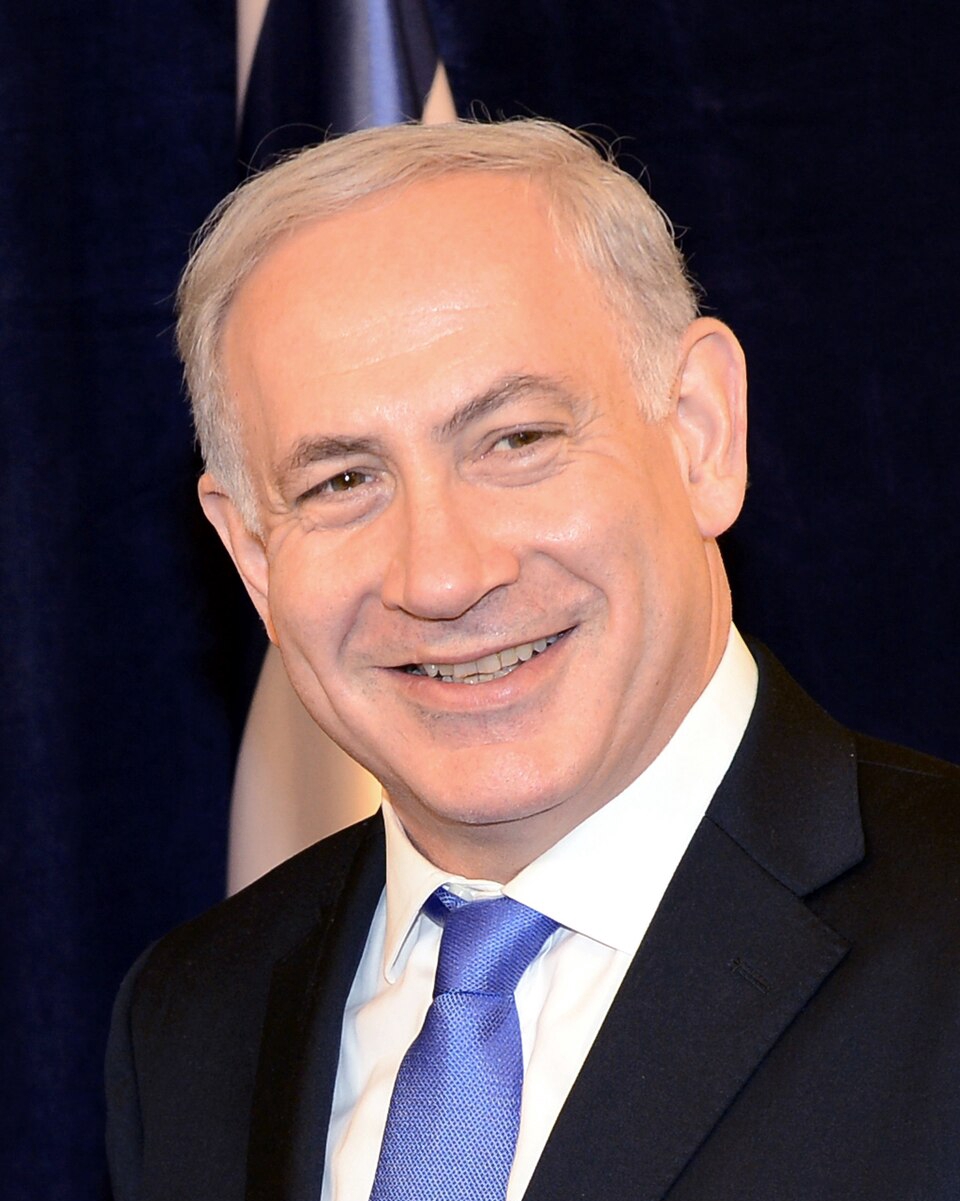
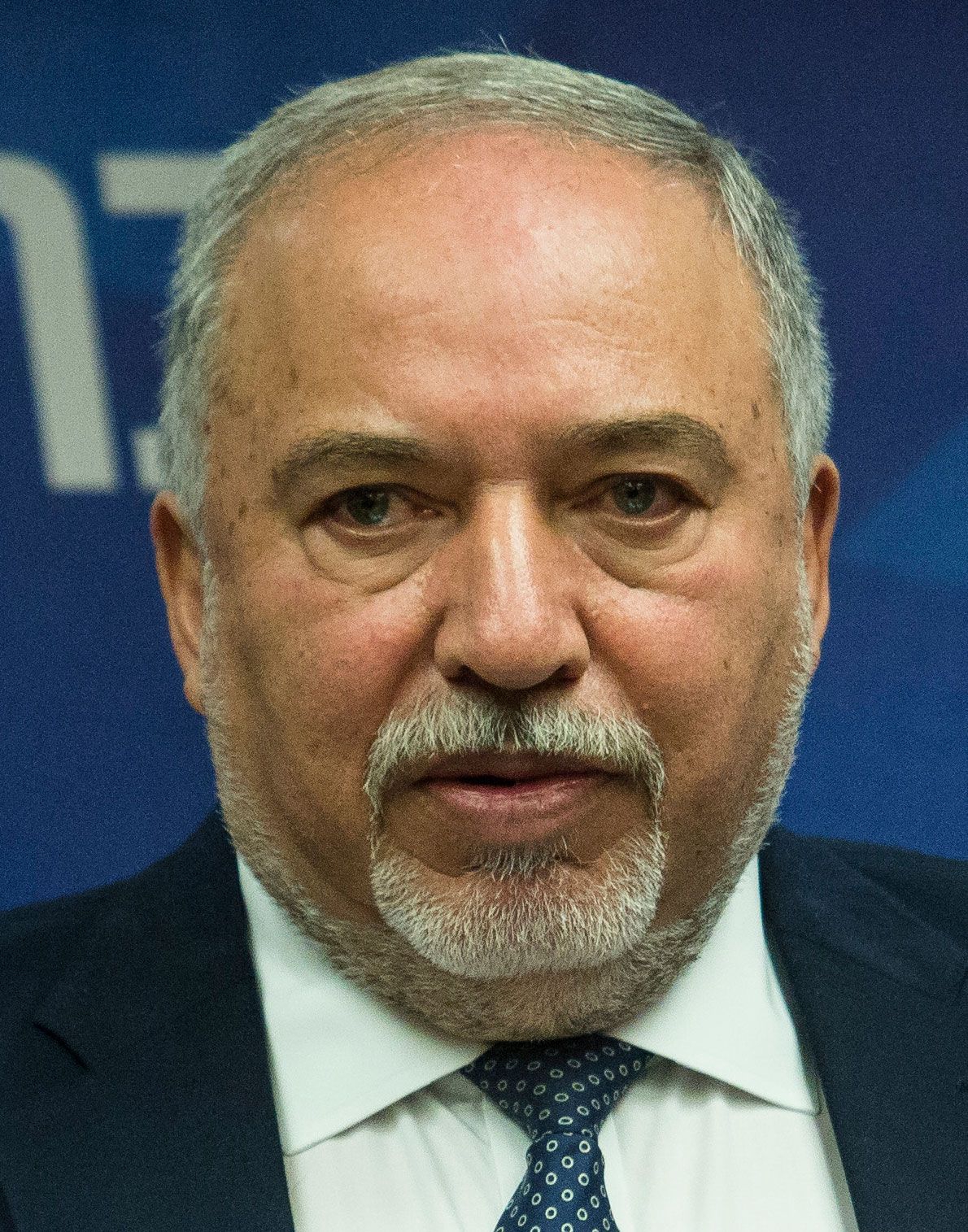
Two weeks out, Netanyahu’s coalition and the opposition are more or less tied, and neither has a path to 61 seats without the Arab parties. Turnout, small parties and vote-sharing deals could decide…
Sharon OffenbergerHostSo if I had to give a headline for today's update, I would say that the coalition and the opposition blocks are more or less tied and that neither have a pathway without the Arab parties.
Currently, both the coalition and the opposition are so far away from having a majority that it's almost like either side would need the Arab parties or someone to defect from the blocs in order to create that pathway.
Look, the situation we're in right now, 15 days before the election, some would say the most dramatic and most consequential election in Israel's history, is very much reminding us of the situation that we were in before this government was formed three years ago that led us to four consecutive election cycles, which is political deadlock.
Neither of the blocs, either the Netanyahu bloc or the opposition bloc, have enough seats to form and create and maintain a viable coalition.
And so we could either see on October 28th, all kind of all trajectories don't really look good because we could either see political deadlock that would force Israel into another round of election, which would be a catastrophe, giving, you know, giving the situation that we're in, giving the Middle East, giving the multi-front war that Israel is fighting and all the internal issues that are bubbling up.
Or we would see any kind of coalition formed that would be a very narrow coalition.
That would be a minority government that could be very easily manipulated and very easily ruled out.
So if I had to give a headline for today's update, I would say that the coalition and the opposition blocks are more or less tied and that neither have a pathway without the Arab parties.
Currently, both the coalition and the opposition are so far away from having a majority that it's almost like either side would need the Arab parties or someone to defect from the blocs in order to create that pathway.
Look, the situation we're in right now, 15 days before the election, some would say the most dramatic and most consequential election in Israel's history, is very much reminding us of the situation that we were in before this government was formed three years ago that led us to four consecutive election cycles, which is political deadlock.
Neither of the blocs, either the Netanyahu bloc or the opposition bloc, have enough seats to form and create and maintain a viable coalition.
And so we could either see on October 28th, all kind of all trajectories don't really look good because we could either see political deadlock that would force Israel into another round of election, which would be a catastrophe, giving, you know, giving the situation that we're in, giving the Middle East, giving the multi-front war that Israel is fighting and all the internal issues that are bubbling up.
Or we would see any kind of coalition formed that would be a very narrow coalition.
That would be a minority government that could be very easily manipulated and very easily ruled out.
The rest of this transcript — segmented and speaker-labeled, so you land on the exact moment something was said
Search every transcript — by keyword, by phrase, or by meaning, across every show Radar indexes
Trends — what is surging across podcasts, measured against its own baseline
Alerts — when a name you follow appears in a newly indexed episode
No account is needed to search Radar.