
Marjorie Michel & Jean Augustine Fireside Chat
Jun 15, 2026 · 32 min · 8 segments
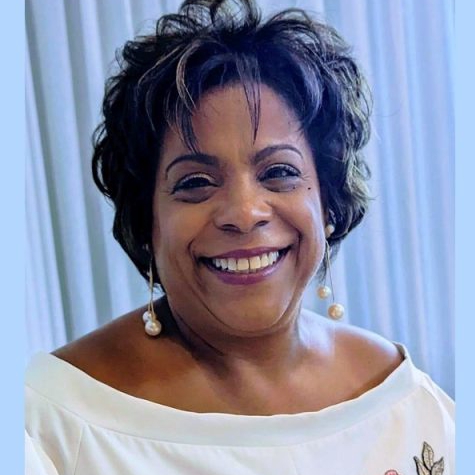
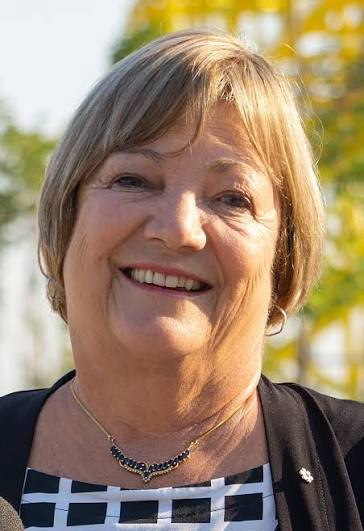
Fireside chat led by Minister of Health, Marjorie Michel with the Honourable Jean Augustine, the first Black woman to be elected into the House of Commons of Canada.
Jun 15, 2026 · 32 min · 8 segments
Fireside chat led by Minister of Health, Marjorie Michel with the Honourable Jean Augustine, the first Black woman to be elected into the House of Commons of Canada.
Going back to the assistance and the help that I've had over the years, I think it was many of you would know that I came on what was at the time the West Indian Domestic Scheme.
So if you were between the ages of 18 and 24, you can come to Canada, sign up, that you can come to Canada, that you had no responsibility, no boyfriend, and vows, and the responsibility that you can come work in the home of a Canadian family and at the same time get landed immigrant status.
So of course I jumped at it, I wrote my name down and I said, Take me, take me, take me.
But I had learned very, very early that you joined, you participated, you partnered, you collaborated with people in the community.
When you grow up in a small area where everybody knows everybody, everybody knows whose house that is, what family lived there.
every then it meant also that you had to be engaged with community and so I was always engaged with community I was always asked to volunteer so when I came to Canada it was very easy for me to look around and say where is community how can I become engaged with community and at the same time Many of you who are as old as I am may remember by 1960 we had no Charter of Rights and Freedom.
So it was ripe for activism and it was ripe for advocacy and so I joined with everybody and I said to someone the other day, you know the streets of Toronto is very quiet on the weekend around Queen's Park because every weekend we used to be out there with drums, with pots, with microphones bringing to the attention of Canadians what was important And so I participated.
I was not the first one at the beginning of the demonstration, but I was always there helping, advising, writing the placards because when you go to St. Joseph's convent school, you learn to write cursive and you learn to print.
And so that was the beginning of a lot of activities in the community and a lot of pushing to ensure that our voices were there.

Going back to the assistance and the help that I've had over the years, I think it was many of you would know that I came on what was at the time the West Indian Domestic Scheme.
So if you were between the ages of 18 and 24, you can come to Canada, sign up, that you can come to Canada, that you had no responsibility, no boyfriend, and vows, and the responsibility that you can come work in the home of a Canadian family and at the same time get landed immigrant status.
So of course I jumped at it, I wrote my name down and I said, Take me, take me, take me.
But I had learned very, very early that you joined, you participated, you partnered, you collaborated with people in the community.
When you grow up in a small area where everybody knows everybody, everybody knows whose house that is, what family lived there.
every then it meant also that you had to be engaged with community and so I was always engaged with community I was always asked to volunteer so when I came to Canada it was very easy for me to look around and say where is community how can I become engaged with community and at the same time Many of you who are as old as I am may remember by 1960 we had no Charter of Rights and Freedom.
So it was ripe for activism and it was ripe for advocacy and so I joined with everybody and I said to someone the other day, you know the streets of Toronto is very quiet on the weekend around Queen's Park because every weekend we used to be out there with drums, with pots, with microphones bringing to the attention of Canadians what was important And so I participated.
I was not the first one at the beginning of the demonstration, but I was always there helping, advising, writing the placards because when you go to St. Joseph's convent school, you learn to write cursive and you learn to print.
And so that was the beginning of a lot of activities in the community and a lot of pushing to ensure that our voices were there.
The rest of this transcript — segmented and speaker-labeled, so you land on the exact moment something was said
Search every transcript — by keyword, by phrase, or by meaning, across every show Radar indexes
Trends — what is surging across podcasts, measured against its own baseline
Alerts — when a name you follow appears in a newly indexed episode
No account is needed to search Radar.

