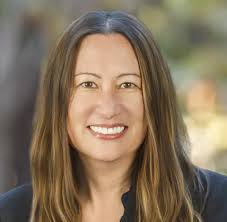
Tips for dealing with cancer with Professor Robert Thomas, MD
Jul 31, 2026 · 57 min · 14 segments
Has the war on cancer been successful? What can we do to decrease our risks for getting cancer? What can we do to increase our prognosis once the cancer diagnosis is given. What can we do to…
Has the war on cancer been successful? What can we do to decrease our risks for getting cancer? What can we do to increase our prognosis once the cancer diagnosis is given. What can we do to feel we have some efficacy or input into what happens to us in the future. The WHO and crUK predicted that 42% of cancers are lifestyle related. Within that 40% are caused by obesity. Reducing inflammation and oxidative can improve most health outcomes including cancer. Phytochemicals, stress reduction, good gut health, moderate exercise, good sleep and vitamin D should help cancer prevention and prognoses. Are there cases where this does not apply? For example, some say antioxidants interfere with chemotherapy. the antioxidants from vitamin A and vitamin E may make outcomes worse? Also previously held warnings about turmeric/ curcumin and whole soy foods for breast cancer may not be supported in the research. This does not necessarily hold for soy infused supplements Omega threes have effect in women not men? (could this be due to the addition of vitamin E to some omega thre preparations? Did you know that some studies show the popular supplement sal palmetto has no benefit or can promote cancers? **Bio** **Professor Robert Thomas, MD** is a NHS Consultant Oncologist and clinical teacher at two [Cambridge University](https://crukcambridgecentre.org.uk/users/rt "https://crukcambridgecentre.org.uk/users/rt") linked Hospitals in the UK, treating patients with breast and prostate cancer using chemotherapy, radiotherapy, hormone and biological therapies. He's is also a health journalist for [National World News](https://www.nationalworld.com/author/professor-robert-thomas "https://www.nationalworld.com/author/professor-robert-thomas"), a Professor of sport and nutritional science and was recently appointed head of Integrative Oncology for [The Royal London Hospital for Integrative Medicine](https://www.uclh.nhs.uk/our-services/our-hospitals/royal-london-hospital-integrated-medicine "https://www.uclh.nhs.uk/our-services/our-hospitals/royal-london-hospital-integrated-medicine") at UCHL. He leads a UK research unit with links to Australia and California which evaluates the impact lifestyle, exercise and dietary strategies to enhance well-being, reduce side effects of treatments, improve cancer outcomes, long covid, longevity and sports performance. The unit has published over 100 national and he is currently chief investigator of the ongoing national [covid vaccine](https://yourgutplus.com/vaccine-research/ "https://yourgutplus.com/vaccine-research/")nutritional intervention study. In early 2026 he published the [YourPhyto study](https://yourphyto.co.uk/the-scientific-study/ "https://yourphyto.co.uk/the-scientific-study/")which found that boosting phytochemical rich foods and gut health slowed prostate cancer progression, improved urinary symptoms and erectile function. He latest trial found that the same nutritional combination improved biomarkers of longevity - grip strength and inflammation and testosterone. The results of this research and personal experience gained over the last 30 years have been summarised in his talks, his bestselling book "[How to Live](https://www.keep-healthy.com/book "https://www.keep-healthy.com/book")", his regular blog and YouTube channel. This book thoroughly discusses diet, and life style choices including exercise, sleep, and exposure to environmental toxins. He also wrote a excellent comprehensive book on how to keep healthy after cancer. For this work, he has been awarded the Royal College of Radiologist and Oncologist research medal, a Fellowship in the British Society of Lifestyle Medicine and "Oncologist of the Year" by The British Oncology Association. Youtube: ProfThomasMD Blog: Keep-healthy.com X: cancernetuk Intagram: healthnetuk/ Recent scientific papers: The Effect of Boosting Dietary Lactobacillus and Phytochemical Rich Foods on Biomarkers of Longevity—A Phase II Randomised Placebo Controlled Trial. Thomas, R.J.; Williams, M.; Aldous, J.; Kenfield, S.A.; Newton, R.U. J. Ageing Longev. 2026, 6, 35. https://doi.org/10.3390/jal6020035 Increasing Phytochemical-rich Foods and Lactobacillus Probiotics in Men with Low-risk Prostate Cancer—A Randomised, Double-blind, Placebo-controlled Trial. R J. Thomas, S A. Kenfield, M Williams, R U. Newton, J Aldous. Euro Urology Oncology, 2025, https://doi.org/10.1016/j.euo.2025.10.003 Dietary consumption of tea and the risk of prostate cancer in the Prostate, Lung, Colorectal and Ovarian Cancer Screening Trial. R Thomas, B Greef, A McConnachie, B Stanley and M Williams. British Journal of Nutrition (2022), 128, 653–658 A Randomised, Double-Blind, Placebo RCT Evaluating Concentrated Phytochemical-Rich Nutritional Capsule in Addition to a Probiotic Capsule on Clinical Outcomes among Individuals with COVID-19. Thomas, R.; Williams, M.; Aldous, Chater, A et al . COVID 2022, 2, 433-449. Why exercise has a crucial role in cancer prevention, risk reduction and improved outcomes, R Thomas, Stacey Kenfield, Y Yanagisawa, Robert U Newton, British Medical Bulletin, 2021;, ldab019, https://doi.org/10.1093/bmb/ldab019 A Systematic Review of the Biological Effects of Cordycepin. Radhi, M.; Ashraf, S.; Lawrence, Thomas, R. nde Moor, C.H. et al. Molecules 2021, 26, 5886. Multiple biological mechanisms for the potential influence of phytochemicals on physical activity performance: a narrative review. R Thomas, M Williams, J Aldous and K Wyld. (2023) Nutraceuticals 3 (3), 353-65. Precision nutrition in breast cancer: Towards patient and tumour informed dietary strategies (2026) C Crespo-García, R Thomas, R U. Newton et al Clinical Nutrition Volume 61106670
Has the war on cancer been successful? What can we do to decrease our risks for getting cancer? What can we do to increase our prognosis once the cancer diagnosis is given. What can we do to…