Oct 14, 2026 · 17 min · 9 segments
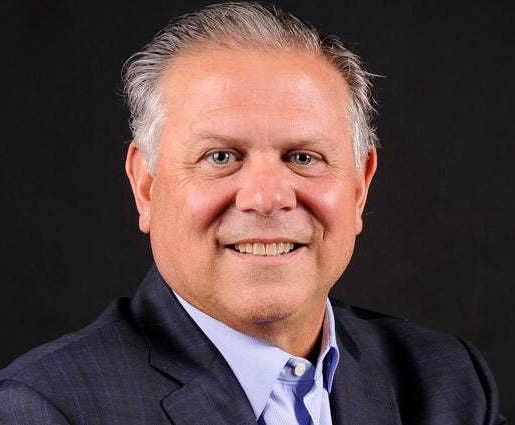
Adam Anderson, Chairman & CEO of T. Parker Host, joins Newell to discuss Avondale Global Gateway receiving a 15,000-ton shipment of Venezuelan aluminum last week, the first Venezuelan aluminum to…
Newell NormandHostWe do have a 110% partner, uh, Dilco, but, uh, Avondale, uh, we purchased it in 2018 and then repurposed it into be a port and an industrial campus here on the West Bank to be really an economic engine.
So, uh, it took us about five years to clean it up and, uh, repurpose all the docks and rehab the railroad, and now, uh, Avondale's functioning as a high-volume port.
Uh, we're taking in, uh, almost two million tons a year of different commodities and moving that throughout the entire, uh, US economy using the river, rail, and roadways here.
Um, so Host operates it, so our teams are receiving these ships from all over the world, offloading various cargos, copper, lead, steel, zinc, wood pulp, bulk cargos, uh, uh, power plant components, and then distributing them is, uh, Avondale's main function today.

A lot of people don't realize the breadth and depth and the size of the laydown yards that the old Avondale Shipyards had.
Uh, we're, we're working on, uh, actually expanding our footprint, uh, working with our neighbors here to see how big we can get Avondale, but it's, it's a tremendous facility.
There were, uh, uh, about two and a half million square feet of buildings, of which we were able to salvage a little over a million and a half of it.
So about 500,000 square feet was older buildings, asbestos-coated [laughs] buildings that we had to, uh, tear down and clean up.
But we've repurposed the site, cleaned up the site, and it's, uh, um, really booming.
Um, a- and then we're hiring 100 more right now, right? We can't, uh, get 'em fast enough, so it's super exciting.
We can take ships as deep as, uh, 50 feet, right, which is the depth of the river.
We do have a 110% partner, uh, Dilco, but, uh, Avondale, uh, we purchased it in 2018 and then repurposed it into be a port and an industrial campus here on the West Bank to be really an economic engine.
So, uh, it took us about five years to clean it up and, uh, repurpose all the docks and rehab the railroad, and now, uh, Avondale's functioning as a high-volume port.
Uh, we're taking in, uh, almost two million tons a year of different commodities and moving that throughout the entire, uh, US economy using the river, rail, and roadways here.
Um, so Host operates it, so our teams are receiving these ships from all over the world, offloading various cargos, copper, lead, steel, zinc, wood pulp, bulk cargos, uh, uh, power plant components, and then distributing them is, uh, Avondale's main function today.

A lot of people don't realize the breadth and depth and the size of the laydown yards that the old Avondale Shipyards had.
Uh, we're, we're working on, uh, actually expanding our footprint, uh, working with our neighbors here to see how big we can get Avondale, but it's, it's a tremendous facility.
There were, uh, uh, about two and a half million square feet of buildings, of which we were able to salvage a little over a million and a half of it.
So about 500,000 square feet was older buildings, asbestos-coated [laughs] buildings that we had to, uh, tear down and clean up.
But we've repurposed the site, cleaned up the site, and it's, uh, um, really booming.
Um, a- and then we're hiring 100 more right now, right? We can't, uh, get 'em fast enough, so it's super exciting.
We can take ships as deep as, uh, 50 feet, right, which is the depth of the river.
The rest of this transcript — segmented and speaker-labeled, so you land on the exact moment something was said
Search every transcript — by keyword, by phrase, or by meaning, across every show Radar indexes
Trends — what is surging across podcasts, measured against its own baseline
Alerts — when a name you follow appears in a newly indexed episode
No account is needed to search Radar.