Sep 12, 2026 · 45 min · 15 segments
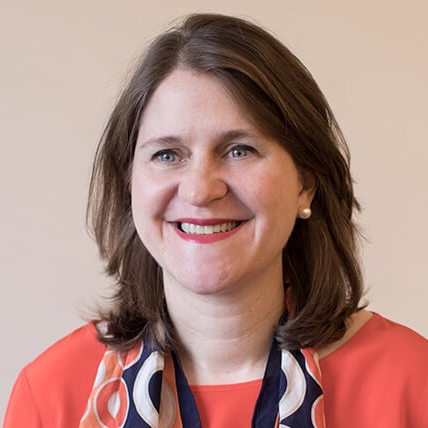
In Episode 373 of My EdTech Life, Dr. Alfonso Mendoza sits down with Dacia Toll, co-founder of Coursemojo, to challenge how schools measure the value of educational technology. Logins, minutes, and…
Dacia TollGuestAlfonso MendozaHostAnd you being and spending time in schools is something that's very important because we'll definitely talk a little bit about, you know, the ed tech space.
And of course, you know, as more platforms come out, are we doing things right? What could we do better? But before we get into that, I know you mentioned, you know, as far as the middle school literacy emergency, you know, what it is that we're seeing.
And I Myself included and many other people may be scrolling through TikTok and seeing all these teachers that are kind of putting it out there that there are students that can't read.
There are students that maybe be able to decode words, know what those words are, but comprehension levels.
And this is coming from myself, who just recently transitioned into EdTech from a district role and being able to see at the district level how much emphasis we put on early childhood literacy.
But somewhere around middle school, you know, the conversation gets a little bit quieter.
I mean, There it's really the focus is on those tested scores and making sure that the students are focusing on the test.
So what what might we be understanding or what might our misunderstanding be as a whole about, like I mentioned to you, students who can technically read.
the words on the page, but they can't comprehend or analyze or make those connections with those words.

So what happens, the focus on fluency and phonics and phonemic awareness and all of the good work that's been done in the early grades is necessary, but not sufficient.

Because then we end up with students, as you've said, what happens starting in fourth grade, really, it's a little bit before middle school, is the texts get significantly more complex, right? And comprehension, it's not the same.

It's much easier to comprehend a simple text that you probably are bringing some background knowledge to than if you're asked to read a text about which you don't know anything about.

If you're talking about baseball and simple sentences, that's very different than talking about black holes and complex sentences with all sorts of dependent clauses and maybe hidden meaning or... a positive that sent off the kids.

They just get thrown off by the complexity of the sentences, background knowledge, vocabulary, syntax, if it's using any kind of archaic language.

As I said earlier, if the message is hidden, these are all dimensions of text complexity that student achievement partners has one framework.

And the implication is we need to keep working on skills or standards, like finding the main idea.
And you being and spending time in schools is something that's very important because we'll definitely talk a little bit about, you know, the ed tech space.
And of course, you know, as more platforms come out, are we doing things right? What could we do better? But before we get into that, I know you mentioned, you know, as far as the middle school literacy emergency, you know, what it is that we're seeing.
And I Myself included and many other people may be scrolling through TikTok and seeing all these teachers that are kind of putting it out there that there are students that can't read.
There are students that maybe be able to decode words, know what those words are, but comprehension levels.
And this is coming from myself, who just recently transitioned into EdTech from a district role and being able to see at the district level how much emphasis we put on early childhood literacy.
But somewhere around middle school, you know, the conversation gets a little bit quieter.
I mean, There it's really the focus is on those tested scores and making sure that the students are focusing on the test.
So what what might we be understanding or what might our misunderstanding be as a whole about, like I mentioned to you, students who can technically read.
the words on the page, but they can't comprehend or analyze or make those connections with those words.

So what happens, the focus on fluency and phonics and phonemic awareness and all of the good work that's been done in the early grades is necessary, but not sufficient.

Because then we end up with students, as you've said, what happens starting in fourth grade, really, it's a little bit before middle school, is the texts get significantly more complex, right? And comprehension, it's not the same.

It's much easier to comprehend a simple text that you probably are bringing some background knowledge to than if you're asked to read a text about which you don't know anything about.

If you're talking about baseball and simple sentences, that's very different than talking about black holes and complex sentences with all sorts of dependent clauses and maybe hidden meaning or... a positive that sent off the kids.

They just get thrown off by the complexity of the sentences, background knowledge, vocabulary, syntax, if it's using any kind of archaic language.

As I said earlier, if the message is hidden, these are all dimensions of text complexity that student achievement partners has one framework.

And the implication is we need to keep working on skills or standards, like finding the main idea.
The rest of this transcript — segmented and speaker-labeled, so you land on the exact moment something was said
Search every transcript — by keyword, by phrase, or by meaning, across every show Radar indexes
Trends — what is surging across podcasts, measured against its own baseline
Alerts — when a name you follow appears in a newly indexed episode
No account is needed to search Radar.