Sep 30, 2026 · 59 min · 10 segments
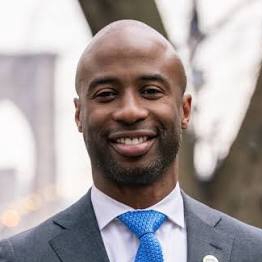
New York City Council Member Shekar Krishnan - a Queens Democrat, public school parent, and chair of the Council's oversight and investigations committee - joined the show to discuss a recent hearing…
Shekar KrishnanGuest
Ben MaxHost
You know, I mean, there was all sorts of a push to get more technology into the classroom in the early 2000s, you know, as computers were becoming more and more ubiquitous and, you know, the Gates Foundation and Microsoft and others were, you know, doing a lot of this.

I remember some major debates in New York policymaking in, you know, the early on in Andrew Cuomo's tenure as governor, you know, that were, you know, around uh some of this so you know it's interesting to sort of track how of course then the ubiquity of laptops and smartphones and then the pandemic have all you know sort of accelerated a lot of this but you know we've been having these debates a long time and it really has gone taken a various twists and turns you know a big push for ed tech with a lot of people pushing back And then a pull back on that.

So, you know, it's interesting because like we're talking about, you don't always get the continuity, you know, that where you can actually tell effectiveness.

When you say gamified apps, that's is that including all of these sort of education programs like the reading program you just mentioned, Amira, or is that a different category? Yeah.

But I think what I mean is they are under the guise of education, you know, introducing these online programs that seem fun because they're games.

You know, it is helpful to learn math through math games or, you know, reading or vocabulary.

The problem is not only is it all can often be on the screens, it's that the way in which these apps are rewarding children for their success in the game is through alerts.

it's, yeah, it strikes me because it's interesting because, and I, I've absolutely, I'm not, uh, not in the position of pushing for more screen time in school is quite the opposite, but, um, you know, it strikes me that there is value when programs are able to help identify where students are hitting some of those gaps.
The rest of this transcript — segmented and speaker-labeled, so you land on the exact moment something was said
Search every transcript — by keyword, by phrase, or by meaning, across every show Radar indexes
Trends — what is surging across podcasts, measured against its own baseline
Alerts — when a name you follow appears in a newly indexed episode
No account is needed to search Radar.