Making Gay History | LGBTQ Oral Histories from the Archive
Jun 25, 2026 · 22 min · 9 segments
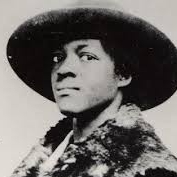
Mabel Hampton was a performer and domestic worker who lived as an out lesbian in New York City from 1920 until her death in 1989. Her recorded oral histories offer a rare firsthand account of Black…
Eric MarcusHost
Joan's mother had hired Mabel, who at the time made a living cleaning people's homes and looking after their children.

The job was short-lived, but Joan developed an enduring friendship with Mabel and with Mabel's life partner, Lillian Foster.

She lost her mother when she was just an infant, and during the first seven years of her life, she was raised on her grandmother's small farm.

Her uncle physically and sexually abused her, and at just eight years old, Mabel ran away.

She lived with them until she finished school at 17, and soon after, she moved to Harlem.

Harlem was emerging as the cultural heart of African American life, and Mabel was right there in the thick of it.

But she also fell victim to a criminal justice system that targeted black people with impunity.

When Mabel was arrested by white police officers on a bogus prostitution charge, she ended up in front of Judge Jean Norris, the city's first female judge.

Norris had a reputation for being prejudiced against black women and sentenced Mabel to three years in prison.

But the part of Mabel's story I want to share with you from our conversations with Joan Nessel is about her life as an out lesbian in Harlem in the 1920s and 30s.

As historian Henry Louis Gates Jr. once wrote, the Harlem Renaissance was, quote, surely as gay as it was black.


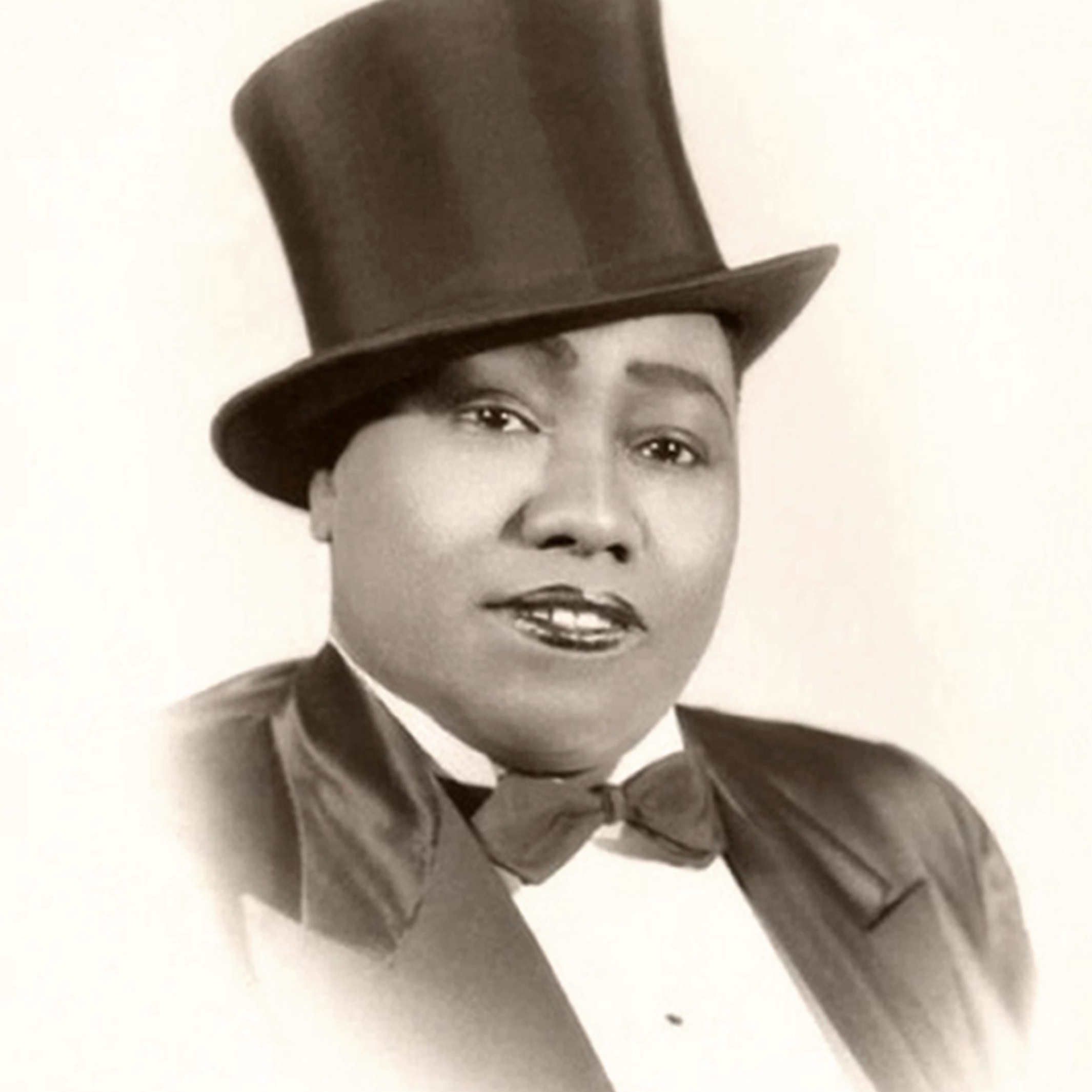
She also worked as a dancer and singer at some of Harlem's storied nightclubs and rubbed shoulders with the era's brightest stars, including entertainers like drag king and blues legend Gladys Bentley and the two Ethels, as Mabel called them.

The actor and singer Ethel Waters, who's perhaps best known for popularizing the song Stormy Weather, and her girlfriend, the dancer Ethel Williams.

So here's Mabel now, in an oral history medley of sorts that draws from a number of interviews that were recorded when Mabel was in her mid-80s.

Her memory for names and places sometimes failed her, but not her recollection of the sense of community that she found.
The rest of this transcript — segmented and speaker-labeled, so you land on the exact moment something was said
Search every transcript — by keyword, by phrase, or by meaning, across every show Radar indexes
Trends — what is surging across podcasts, measured against its own baseline
Alerts — when a name you follow appears in a newly indexed episode
No account is needed to search Radar.