Let's Talk: GMG Patrick Lundy
Sep 15, 2026 · 38 min · 14 segments
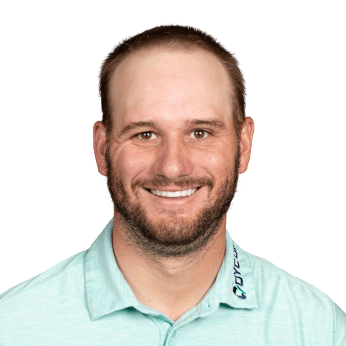
•**Patrick Lundy** Founder-Director of The Ministers of Music is a native of Thomasville, Georgia, a graduate of Howard University and was conferred an Honorary Doctor of Sacred Music by the Wayland…
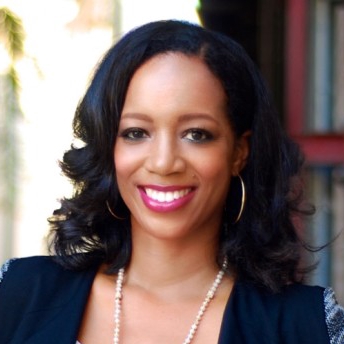
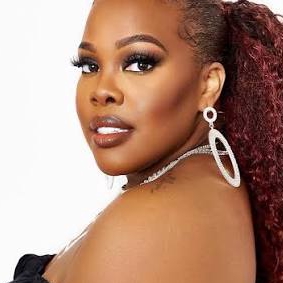
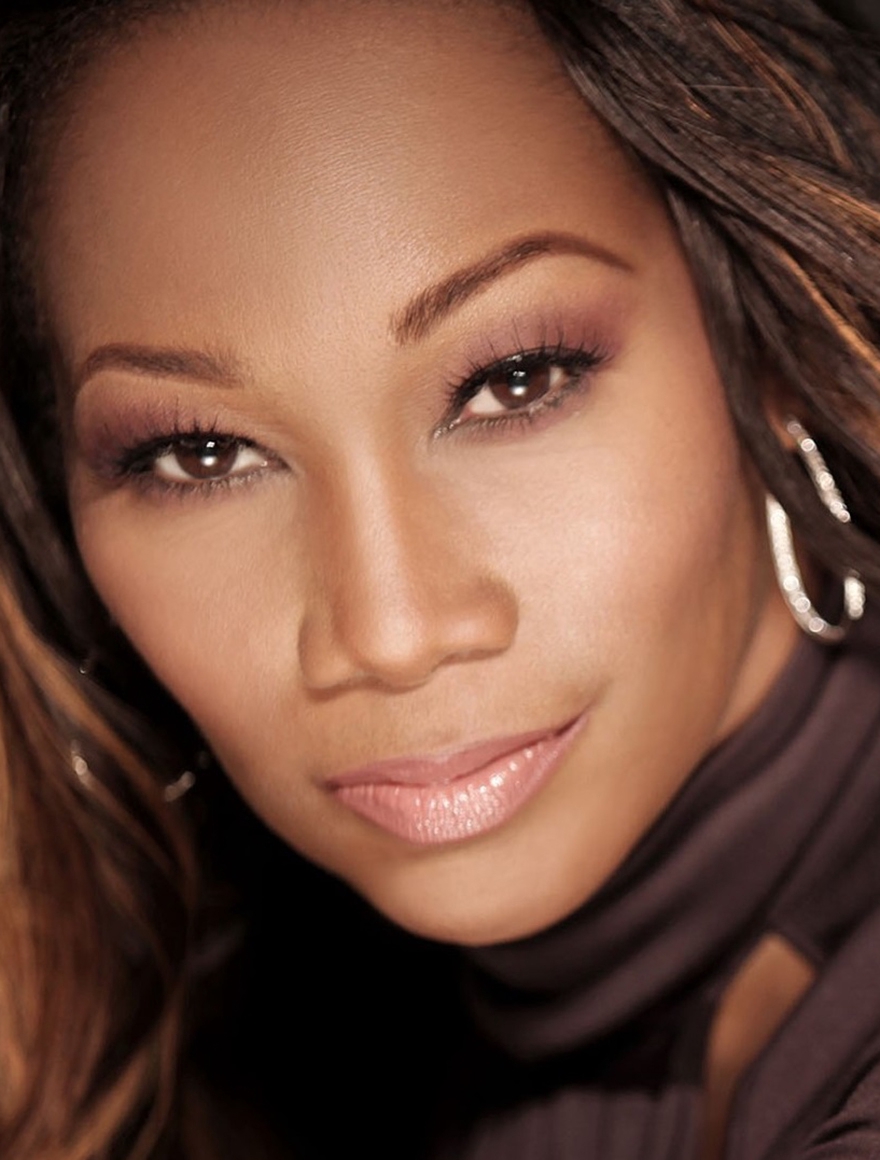
•**Patrick Lundy** Founder-Director of The Ministers of Music is a native of Thomasville, Georgia, a graduate of Howard University and was conferred an Honorary Doctor of Sacred Music by the Wayland Baptist Theological Seminary in October 2019. In August 2022, Dr. Lundy was appointed Chair, Vocal Music Department and Concert Choir Director at theworld-renown Duke Ellington School of the Arts in Washington, D.C.•Dr. Lundy is a composer, arranger and workshop clinician who is highly sought-after throughout the country. He is also Founder-Director of Patrick Lundy & The Ministers of Music – Georgia Connection - which debuted in February 2014. From the beginning of 2000 through July 2023, Patrick served in the Music Department of the Reid Temple A.M.E. Church, Glenn Dale, Maryland. In his last position at Reid, he was Director of Music and Worship Arts, under Senior Pastor, Rev. Mark E Whitlock, Jr., and worked alongside “Sweetheart of Gospel,” Evangelist Myrna Summers. He currently serves as Director of Music and Worship Arts at the Historic Alfred Street Baptist Church, Alexandria, Virginia.•For the past several years, the Choir has had the privilege of participating in the Public Broadcasting System’s (PBS)Memorial Day and “A Capitol Fourth” Productions concerts from the West Lawn of the U.S. Capitol, accompanying such renown artists as Yolanda Adams, Gloria Estefan, Meghan Linsey, Kenny Loggins, Barry Manilow, Cassadee Pope, AlisanPorter, Amber Riley, CeCe Winans, and others. On September 30, 2022, the Choir was privileged to participate in the historic “Celebration of Investiture” honoring Supreme Court Justice Ketanji Brown-Jackson.•The latest release ***“Hold On“*** is available on all digital outlets•*LET’S TALK: GOSPEL MUSIC GOLD* RADIO SHOW AIRS EVERY SATURDAY 9:00 AM CST / 10:00 AM EST ON *WMRM-DB* INTERNET RADIO STATION AND *WJRG* RADIO INTERNET RADIO STATION 12:00 PM EST / 11:00 AM CST •There is a *Let's Talk: Gospel Music Gold* Facebook page ( @LetsTalk2GMG ) where all episodes are posted as well. •The Podcast *and* Radio shows are heard anywhere in the World on the Internet! •ANSONIA’S BOOK RELEASES •"If We Can Do It, You Can Too!“ •“Legacy of James C. Chambers And his Contributions to Gospel Music History” ••*Winner of 2026 MiPA Award "Molding a Black Princess"*Order Information https://www.unsungvoicesbooks.com/asmithgibbs
•**Patrick Lundy** Founder-Director of The Ministers of Music is a native of Thomasville, Georgia, a graduate of Howard University and was conferred an Honorary Doctor of Sacred Music by the Wayland…