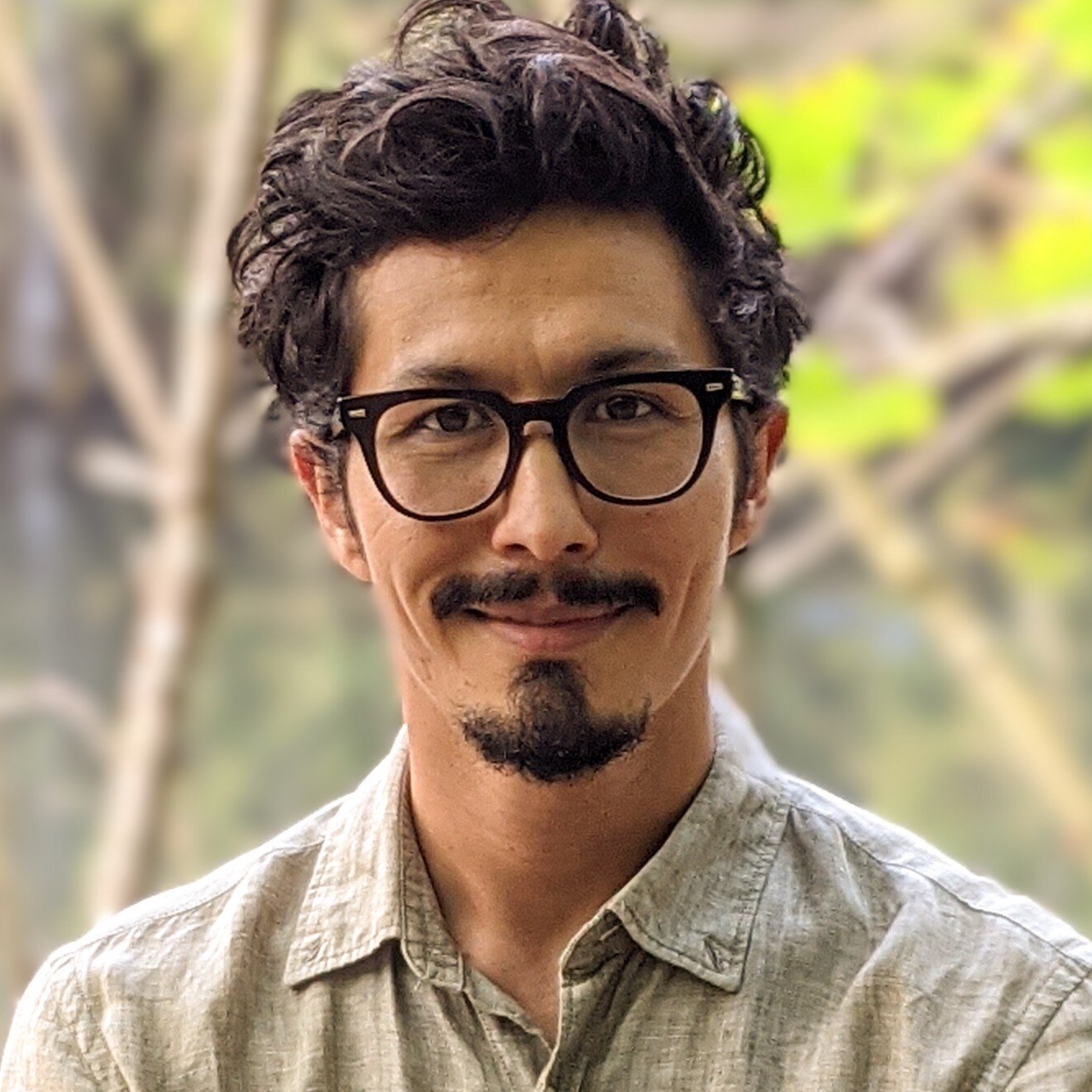
Jamaluddin Aram on writing beyond lines of division
Sep 30, 2026 · 46 min · 11 segments
Nathan Maharaj spoke with Jamaluddin Aram, 2024 Kobo Emerging Writer Prize-winner and author of the novel…
Sep 30, 2026 · 46 min · 11 segments
Nathan Maharaj spoke with Jamaluddin Aram, 2024 Kobo Emerging Writer Prize-winner and author of the novel…
 Jamaluddin AramGuest
 Nathan MaharajHost
What's it like for you to write about your homeland now as a Canadian writer? Because you are a Canadian writer.

Some of the experiences that we humans go through are very same experiences because we are the same species, the same people.
So in a way, writing about Afghanistan is writing for communities here in Canada.
who are originating from Afghanistan, but also for the larger Canadian society and people, because they have Afghan neighbors, they have Afghan teachers and Afghan students, Afghan Uber drivers.
So to write about Afghanistan with such detail, is to provide the Afghan diaspora with something to hold on to and to connect their old lives in Afghanistan to their new ones in Canada, but at the same time for the communities that are hosting the Afghan diaspora to have a better understanding of who are these people.
Because As we mentioned earlier, that the mainstream news and media, they have a very convoluted and a very inaccurate picture of Afghans because you don't hear often about an Afghan entrepreneur who start a restaurant or a chain and bring that kind of food and the food culture of Afghanistan with all different tastes and scents perfumes to the Canadian society, they don't cover that because there's no news value in it.
If somebody shoots a gun somewhere, and if that person is from Afghanistan, that is, you know, that connection is easy to make and say, oh, because of this and because of that, these people react like this.
But to flip that narrative and talk about other aspects of Afghan life that have been left out of the out of the, um, the conversation is, is, you know, why
It sounds like to strike because you're serving, um, you're serving two distinct audiences.
You, if I'm hearing you, you, you want your Afghan readers to say, yes, right.
But then you've got readers like me, an interested Canadian who, for better or worse, knows little more than even what I can get through – even quality media outlets are supplying me with a story very similar to – as you say, it's about war.
What's it like for you to write about your homeland now as a Canadian writer? Because you are a Canadian writer.
Some of the experiences that we humans go through are very same experiences because we are the same species, the same people.
So in a way, writing about Afghanistan is writing for communities here in Canada.
who are originating from Afghanistan, but also for the larger Canadian society and people, because they have Afghan neighbors, they have Afghan teachers and Afghan students, Afghan Uber drivers.
So to write about Afghanistan with such detail, is to provide the Afghan diaspora with something to hold on to and to connect their old lives in Afghanistan to their new ones in Canada, but at the same time for the communities that are hosting the Afghan diaspora to have a better understanding of who are these people.
Because As we mentioned earlier, that the mainstream news and media, they have a very convoluted and a very inaccurate picture of Afghans because you don't hear often about an Afghan entrepreneur who start a restaurant or a chain and bring that kind of food and the food culture of Afghanistan with all different tastes and scents perfumes to the Canadian society, they don't cover that because there's no news value in it.
If somebody shoots a gun somewhere, and if that person is from Afghanistan, that is, you know, that connection is easy to make and say, oh, because of this and because of that, these people react like this.
But to flip that narrative and talk about other aspects of Afghan life that have been left out of the out of the, um, the conversation is, is, you know, why
It sounds like to strike because you're serving, um, you're serving two distinct audiences.
You, if I'm hearing you, you, you want your Afghan readers to say, yes, right.
But then you've got readers like me, an interested Canadian who, for better or worse, knows little more than even what I can get through – even quality media outlets are supplying me with a story very similar to – as you say, it's about war.
The rest of this transcript — segmented and speaker-labeled, so you land on the exact moment something was said
Search every transcript — by keyword, by phrase, or by meaning, across every show Radar indexes
Trends — what is surging across podcasts, measured against its own baseline
Alerts — when a name you follow appears in a newly indexed episode
No account is needed to search Radar.