Sep 15, 2026 · 27 min · 8 segments
In this episode, ISF Chief Executive Steve Durbin talks with Dame Inga Beale, the former CEO of Lloyd’s of London, about the role that listening played when she became the first (and only) female CEO…
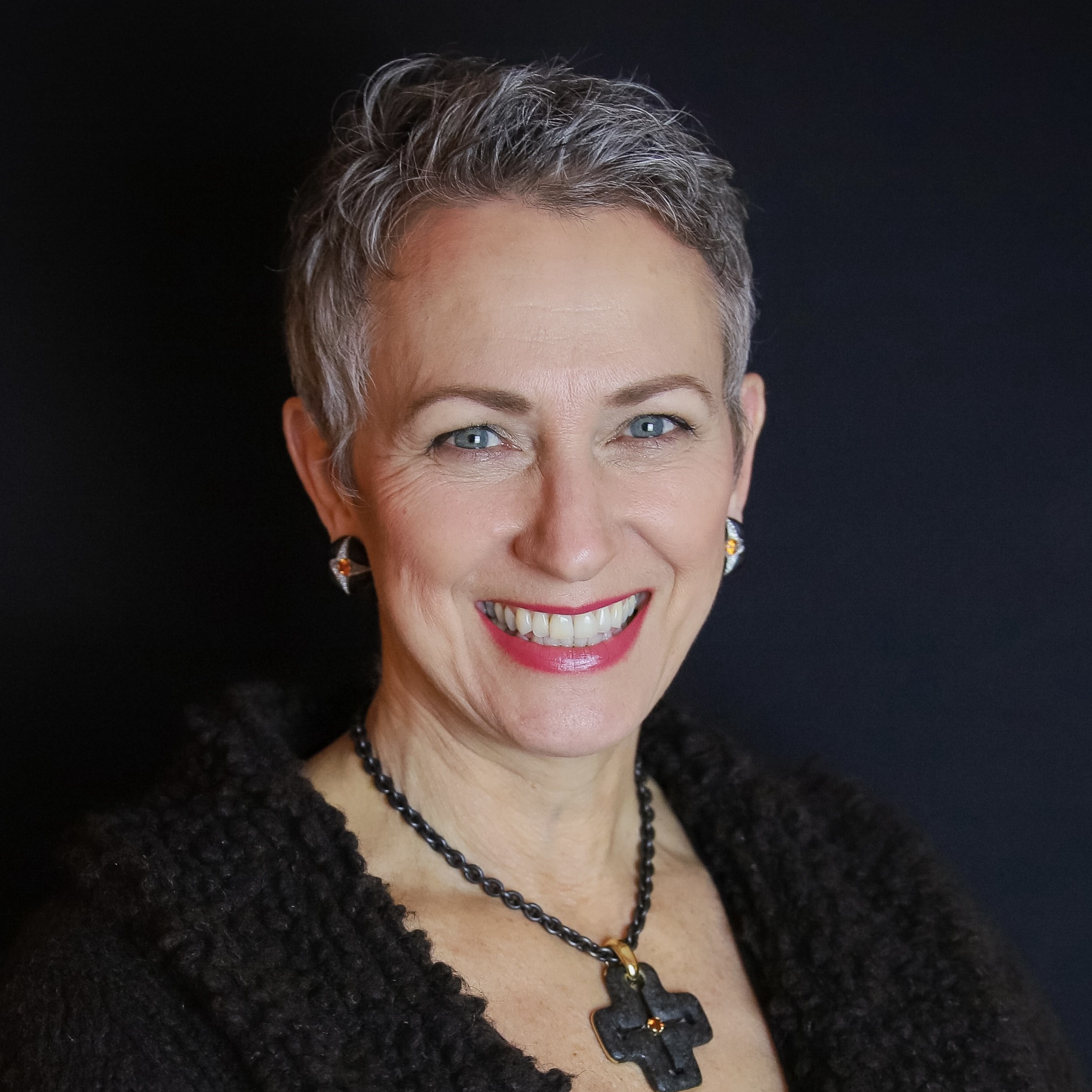
Inga BealeGuest
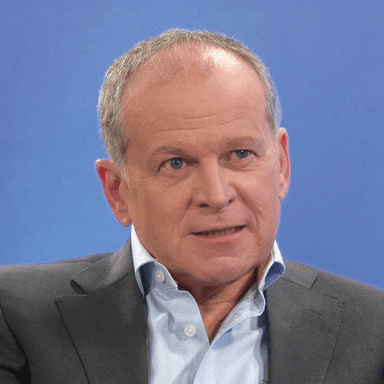
Steve DurbinHost
You were the first female CEO at Lloyd's of London, first in its 328 years history.

What were the challenges of taking on that kind of position? I mean, it sounds, well, [laughs] for most people watching, I think that's a real tall order.

Well, Lloyd's is a very unique place, and it has a very special part to play in British history, if you like, having been around for so long, and it's totally unique in the world.

It's the only place where you can buy really, really specialist insurance, and it's been around, as you said, for over three centuries.

It was still doing business in the same way that it had been doing it in the 17th century.

So I was basically asked to come in and introduce technology, and several of my predecessors, their attempts over several decades and millions of pounds later, their attempts had failed in the past.

I'm not allowed to close this live marketplace where people, thousands of people meet every day.

I've got to keep that going, but I've got to change the way of working and introduce technology and move them away from paper.

So it was an enormous challenge, but the one I didn't anticipate so much was actually the culture change that was required because the technology, in a way, is the easy piece.

The technology was there, but you had to get the people to want to do it, to change the way they were working, and that was one of the challenges that I underestimated until I got the role.

So I spoke, personally, I spoke to hundreds of people in the market, and what's so unique about this role is that you're the CEO of Lloyd's, but you have about 1,000 employees, but you've got multiples of that, of people working for hundreds of other firms that are using the market.

You need them to change, but because they're not your employees, you can't tell them.

So I needed to try and unravel and work out why the previous attempts to introduce technology had failed, which is why I spent a lot of personal time talking, and I realized it was because we hadn't been including them.

You were the first female CEO at Lloyd's of London, first in its 328 years history.

What were the challenges of taking on that kind of position? I mean, it sounds, well, [laughs] for most people watching, I think that's a real tall order.

Well, Lloyd's is a very unique place, and it has a very special part to play in British history, if you like, having been around for so long, and it's totally unique in the world.

It's the only place where you can buy really, really specialist insurance, and it's been around, as you said, for over three centuries.

It was still doing business in the same way that it had been doing it in the 17th century.

So I was basically asked to come in and introduce technology, and several of my predecessors, their attempts over several decades and millions of pounds later, their attempts had failed in the past.

I'm not allowed to close this live marketplace where people, thousands of people meet every day.

I've got to keep that going, but I've got to change the way of working and introduce technology and move them away from paper.

So it was an enormous challenge, but the one I didn't anticipate so much was actually the culture change that was required because the technology, in a way, is the easy piece.

The technology was there, but you had to get the people to want to do it, to change the way they were working, and that was one of the challenges that I underestimated until I got the role.

So I spoke, personally, I spoke to hundreds of people in the market, and what's so unique about this role is that you're the CEO of Lloyd's, but you have about 1,000 employees, but you've got multiples of that, of people working for hundreds of other firms that are using the market.

You need them to change, but because they're not your employees, you can't tell them.

So I needed to try and unravel and work out why the previous attempts to introduce technology had failed, which is why I spent a lot of personal time talking, and I realized it was because we hadn't been including them.
The rest of this transcript — segmented and speaker-labeled, so you land on the exact moment something was said
Search every transcript — by keyword, by phrase, or by meaning, across every show Radar indexes
Trends — what is surging across podcasts, measured against its own baseline
Alerts — when a name you follow appears in a newly indexed episode
No account is needed to search Radar.