How HR Leaders Change the World
Episode 244: Mental Health, Belonging and the Role of AI: Carmen Barboza, CHRO at Crowell & Moring
Jun 30, 2026 · 31 min · 11 segments
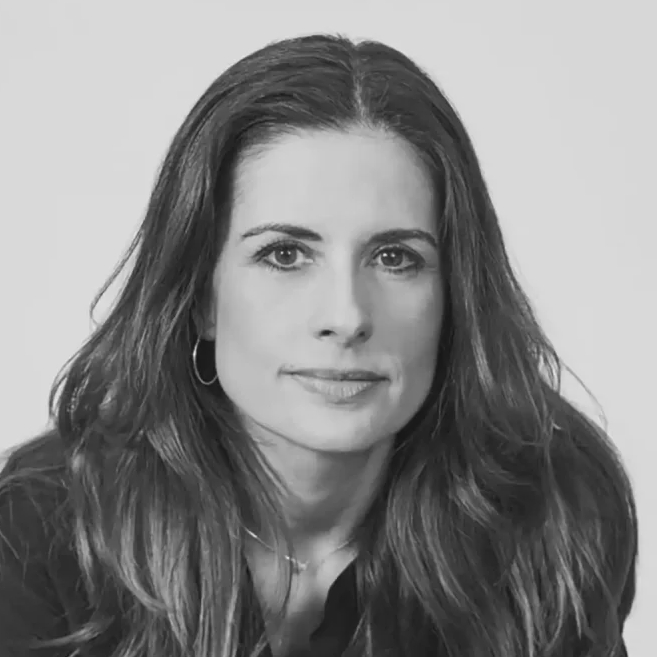
A certified coach and yoga teacher, Carmen brings a deeply human lens to people leadership at Crowell & Moring, a global law firm. Carmen shares how her work is addressing significant mental health…
A certified coach and yoga teacher, Carmen brings a deeply human lens to people leadership at Crowell & Moring, a global law firm. Carmen shares how her work is addressing significant mental health risks in the legal profession, providing examples such as Unplug Time: 40 paid timecoded hours for employees to fully disconnect and reset. Carmen sees AI as something that should amplify humanity, not replace it. Fresh from the SHRM (Society for Human Resource Management) conference in the US, attended by 26,000 HR professionals, Carmen reflects on three emerging themes: building trust and safety to experiment with AI, ensuring responsible and ethical AI use, and the rise of trust as a measurable business priority. An immigrant from Venezuela, belonging is a defining thread in Carmen's leadership, expressed through initiatives such as STEP, the Staff Talent Empowerment Programme, which pairs high-potential business professionals with sponsorship and development opportunities to help unlock careers that might otherwise go unseen. For Carmen, the focus is always on preserving the humanity in how people work and lead, making space for vulnerability, empathy, dignity and connection, and allowing people to show up as they are, without masking or armour. **How HR Leaders Change the World Live!** **11th November 2026 – London** **Book your early bird ticket now!** Join the annual gathering of bold, forward-thinking HR leaders who believe people strategy can shape the future of business - and the world beyond. Bringing together Chief People Officers and HR decision-makers, the conference features powerful keynote speakers, candid conversations and practical insights from leaders who are proving that commercial performance and positive impact go hand in hand. This isn't theory. It's real-world leadership stories, from organisations embedding sustainability into people strategy to those designing human-centred culture in the age of AI. Building on the success of the How HR Leaders Change the World podcast, the conference inspires every HR Professional to see themselves as an HR Changemaker, equipped with ideas, confidence and community to lead differently. It's energising. It's practical. And it's a reminder that HR holds extraordinary influence. If you care about the future of work, and the role you play in shaping it, this is your room. Early Bird Ticket: How HR Leaders Change the World - Live! 2026 **Are you looking for your next great read that inspires you and helps your work?** Our book of the month for June is Rebel Ideas: The Power of Diverse Thinking, by Matthew Syed. We're all navigating more complexity than ever right now. AI, shifting workplace expectations, doing more with less, and still making work feel human. Rebel Ideas by Matthew Syed provides a resource for how. His argument: the teams who solve the hardest problems aren't the ones full of the best individual thinkers, they're the ones who think differently from each other. A brilliant book on why diversity of thought helps us solve complex problems. Head to UpliftingPeople.com to grab your copy, and we hope you enjoy this month's Uplifting Book.
A certified coach and yoga teacher, Carmen brings a deeply human lens to people leadership at Crowell & Moring, a global law firm. Carmen shares how her work is addressing significant mental health…