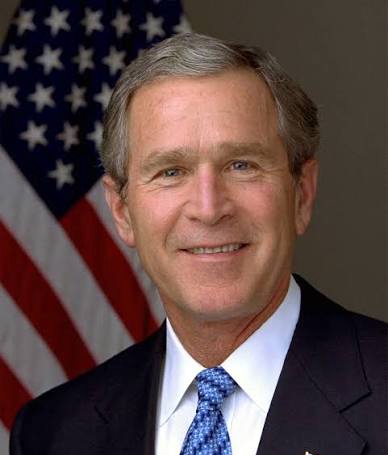
Sep 9, 2026 · 25 min · 11 segments
In this episode, hosts Brianna Lennon and Eric Fey speak with Tom Hicks. Hicks was a U.S. Election Assistance Commission \[EAC] commissioner from January 2015 until July 9, 2026 — when he was notified…
Thomas HicksGuest
Brianna LennonHost
Eric FeyHost

Um, you've been present at nearly all of our election conferences in Missouri.

Uh, and a lot of the lamenting about CISA taking a step back and not having the funding to work with the local election officials is that all of those relationships are now kind of disintegrating.

And I'm wondering if you can speak to, um, while there is still staff there, while there is still work that is ongoing, uh, what you see as the future of the relationship between federal elections support and workers and the locals.

So I think that, um, with, with the Election Assistance Commission, there were a couple of programs that were started that I think will help with, for local election officials.

ESTEP, the Election Technology Establishment Program, I forget exactly how it's phrased.

Um, but the, the, the fact is for E-Poll Books, setting that program out, which it will be based on the same way as, um, voting equipment, alleviates a lot of the problems and a lot of the frustrations that local election officials will have in terms of being able to have something nationally certified.

Election night reporting, um, I think it would also be something great to look at, um, under ESTEP, but also voter registration.

So starting from voter registration all the way to election night reporting, I think alleviates a lot of that, and I think that EAC will do a good job of that, um, under the mandates that have already been put in place.

I don't know how far that they can go without commissioners, but we shall see.

I say that, you know, test the waters, um, to see how far we can go in terms of making sure that what's best for the, for election officials.

Um, I do think that we played more of a role in terms of, um, elections than CISA because C- CISA basically, Cyber Infrastructure Security Agency, that's one aspect of it, but I think that the EAC played more of a role because they dealt with everything from voter registration to election night reporting.

Um, they do more in terms of, you know, for other sectors as well, um, banking, water, um, electrical grid, and all that other stuff.

So I think that the relationships can be built, can be, can be structured a little bit more, um, to be able to, um, I guess function, um, in a, in a sort of way that...

I guess the way that I would describe it is that, um, those relationships were built on trust, and I think the trust is still there with the EAC, um, with the staff.


Um, you've been present at nearly all of our election conferences in Missouri.

Uh, and a lot of the lamenting about CISA taking a step back and not having the funding to work with the local election officials is that all of those relationships are now kind of disintegrating.

And I'm wondering if you can speak to, um, while there is still staff there, while there is still work that is ongoing, uh, what you see as the future of the relationship between federal elections support and workers and the locals.

So I think that, um, with, with the Election Assistance Commission, there were a couple of programs that were started that I think will help with, for local election officials.

ESTEP, the Election Technology Establishment Program, I forget exactly how it's phrased.

Um, but the, the, the fact is for E-Poll Books, setting that program out, which it will be based on the same way as, um, voting equipment, alleviates a lot of the problems and a lot of the frustrations that local election officials will have in terms of being able to have something nationally certified.

Election night reporting, um, I think it would also be something great to look at, um, under ESTEP, but also voter registration.

So starting from voter registration all the way to election night reporting, I think alleviates a lot of that, and I think that EAC will do a good job of that, um, under the mandates that have already been put in place.

I don't know how far that they can go without commissioners, but we shall see.

I say that, you know, test the waters, um, to see how far we can go in terms of making sure that what's best for the, for election officials.

Um, I do think that we played more of a role in terms of, um, elections than CISA because C- CISA basically, Cyber Infrastructure Security Agency, that's one aspect of it, but I think that the EAC played more of a role because they dealt with everything from voter registration to election night reporting.

Um, they do more in terms of, you know, for other sectors as well, um, banking, water, um, electrical grid, and all that other stuff.

So I think that the relationships can be built, can be, can be structured a little bit more, um, to be able to, um, I guess function, um, in a, in a sort of way that...

I guess the way that I would describe it is that, um, those relationships were built on trust, and I think the trust is still there with the EAC, um, with the staff.
The rest of this transcript — segmented and speaker-labeled, so you land on the exact moment something was said
Search every transcript — by keyword, by phrase, or by meaning, across every show Radar indexes
Trends — what is surging across podcasts, measured against its own baseline
Alerts — when a name you follow appears in a newly indexed episode
No account is needed to search Radar.