What Schools Still Get Wrong About Great Teaching | Tom Sherrington
Oct 9, 2026 · 48 min · 19 segments
**What does great teaching actually look like — and are schools sometimes turning good ideas into rigid routines?** Most heads aren't short on effort when it comes to attendance. The harder truth…
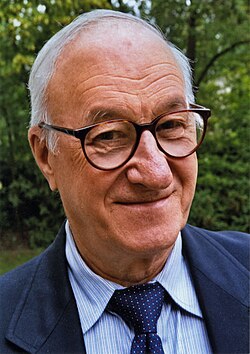
**What does great teaching actually look like — and are schools sometimes turning good ideas into rigid routines?** Most heads aren't short on effort when it comes to attendance. The harder truth: so much of it often rests on one or two people — and when that's the case, it never feels steady, however hard everyone works. That's the work I do. I run a funded Senior Attendance & Leadership Resilience Check for headteachers and trust leaders in complex schools. It starts with a short strategic assessment. For eligible schools, it opens into a full process: - On-site school visit - Detailed, school-specific report - Follow-up strategy session - Practical leadership tools for a clear 90-day plan Typically valued at £1,000 — currently funded for eligible schools. Apply here → https://atrejwhi.formester.com/f/hwL9GCyin/ In this episode of *Headship After Hours*, Paul Collin is joined by **Tom Sherrington**, former headteacher, author, educator and creator of Teaching WalkThrus, for a wide-ranging conversation about teaching, professional development, behaviour, inclusion and what school leaders need to understand about improving classroom practice. Tom explores the continuing influence of **Rosenshine's Principles of Instruction** — and what Rosenshine might think about the way his ideas are being implemented in schools today. The conversation goes beyond individual teaching strategies to a much bigger leadership question: **How do we create enough structure for every child to participate without turning good teaching into a compliance exercise?** Tom argues that structure and warmth aren't opposites. In the strongest classrooms, clear boundaries can create the conditions for freedom, relationships and joy. Paul and Tom discuss: - What Rosenshine's Principles actually mean - Where schools can misinterpret research - Why implementation often becomes mechanical before becoming sophisticated - Retrieval practice and instructional coaching - Why inclusive teaching requires structure - Behaviour, boundaries and relationships - Why strict classrooms don't have to be fearful classrooms - Oracy and pupil participation - Checking the understanding of every learner - Formative action - What great teaching could look like in 2035 - Why professional development needs to move away from judgement - Creating a culture of collective professional improvement Tom also makes a powerful case for **systematically involving every student**, rather than allowing classroom participation to be dominated by the pupils most willing to volunteer. For headteachers and senior leaders, this conversation is ultimately about creating the conditions in which excellent teaching can happen consistently — without losing professional judgement, relationships or humanity. 🎙️ *Headship After Hours* — honest conversations about school leadership and the realities of leading education. Timestamps **00:00** – Why Discipline and Warm Relationships Can Coexist **00:58** – Introducing Tom Sherrington **02:34** – Tom's Journey From Physics Teacher to Headteacher **04:06** – What Are Rosenshine's Principles? **08:44** – Are Schools Getting Rosenshine Wrong? **13:10** – When Good Ideas Become Too Mechanical **17:42** – Why Inclusive Teaching Needs Structure **20:20** – Behaviour, Boundaries & Relationships **22:33** – Can Schools Become Over-Engineered? **26:51** – What Will Great Teaching Look Like in 2035? **28:09** – The Future Is Inclusive Teaching **30:20** – Why Oracy Matters **32:58** – From Formative Assessment to Formative Action **35:30** – The Ideas Influencing Tom's Thinking Now **42:18** – Tom's Advice to School Leaders **44:44** – Where to Find Tom
**What does great teaching actually look like — and are schools sometimes turning good ideas into rigid routines?** Most heads aren't short on effort when it comes to attendance. The harder truth…