Guardrails: The AI Watchdog Pod
Sep 18, 2026 · 21 min · 12 segments
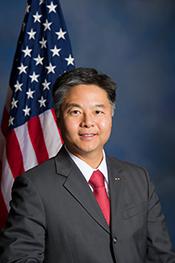
In the first episode of *Guardrails: The AI Watchdog Pod*, Rep. Nathaniel Moran joins Radan Steinhauser to discuss why America can lead on AI innovation without compromising public safety. They…
Nathaniel MoranGuestRandan SteinhauserHostWell, we're going to talk about some of the problems we may perceive around artificial intelligence.
But before we get into some of the challenges and the risk, what makes you most excited about artificial intelligence? What opportunities do you see as a lawmaker when it comes to this particular topic?

Anytime there's such a transformative new technology like artificial intelligence, there is an opportunity to get the policy right so that you can have both safety and innovation.

You mentioned those words in your introduction, and I'm so grateful you did because I think that too often we look at those two ends and we say, well, we can't have both.

I think if we do it right, we can have both of those and achieve both of those very important goals together.

And when you talk about the transformation that can happen with medicine and science and education and frankly, workforce opportunities to upskill our workers and to transform their lives into new opportunities and the wealth that it can build for everybody, not just those own top companies, but frankly, for all of the economy that can lift us up.

Because when you have a new technology, we know there's going to be some people that abuse that technology.

We all pretty much can agree on dealing with those folks in those situations.

But then there's also situations where Maybe there's not an intent that's nefarious, but certainly a possibility for this new technology to get outside of its sandbox and do some things we didn't expect it to do, didn't want it to do.

And so we want to prevent the damage and the harm that can come to property and to persons as a result.
Well, we're going to talk about some of the problems we may perceive around artificial intelligence.
But before we get into some of the challenges and the risk, what makes you most excited about artificial intelligence? What opportunities do you see as a lawmaker when it comes to this particular topic?

Anytime there's such a transformative new technology like artificial intelligence, there is an opportunity to get the policy right so that you can have both safety and innovation.

You mentioned those words in your introduction, and I'm so grateful you did because I think that too often we look at those two ends and we say, well, we can't have both.

I think if we do it right, we can have both of those and achieve both of those very important goals together.

And when you talk about the transformation that can happen with medicine and science and education and frankly, workforce opportunities to upskill our workers and to transform their lives into new opportunities and the wealth that it can build for everybody, not just those own top companies, but frankly, for all of the economy that can lift us up.

Because when you have a new technology, we know there's going to be some people that abuse that technology.

We all pretty much can agree on dealing with those folks in those situations.

But then there's also situations where Maybe there's not an intent that's nefarious, but certainly a possibility for this new technology to get outside of its sandbox and do some things we didn't expect it to do, didn't want it to do.

And so we want to prevent the damage and the harm that can come to property and to persons as a result.
The rest of this transcript — segmented and speaker-labeled, so you land on the exact moment something was said
Search every transcript — by keyword, by phrase, or by meaning, across every show Radar indexes
Trends — what is surging across podcasts, measured against its own baseline
Alerts — when a name you follow appears in a newly indexed episode
No account is needed to search Radar.