

EMOTIONAL1:25
From Hiding To Sparkle
Brian reflects on hiding before embracing identity

Jul 15, 2026 · 1 hr 5 min · 15 segments
The latest installment of our “Tea with Ms. G” Livestream Series is now available here on the Freedom Writers Podcast. Listen to a thoughtful and inspiring Pride Edition conversation featuring Freedom…
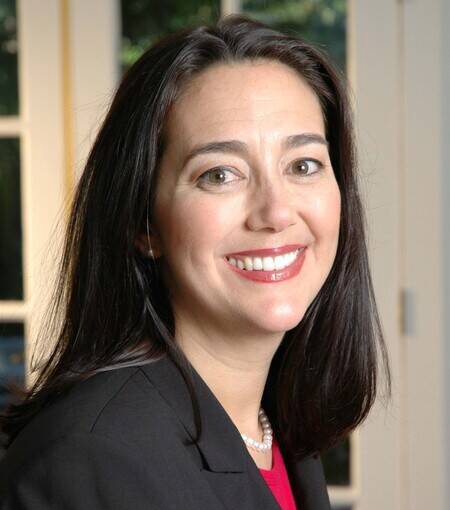
 Erin GruwellHost
 Brian SolisGuest
 Francisco LopezGuest
 Diana BeltraniGuest
... maybe you'll get a call from a former student at some point that says, "Would you do us the honor?" You heard some words, Brian, I'm gonna go to you, that Dr.
And I'd love for you to talk about the power of words, uh, when people identify.
Can you talk about the power of people choosing the words in which they want to be identified by?

So I feel like the words that you hear people using, whether it be partner, whether it be wife, whether it be fiance, boyfriend, anything people use, even queer, I, I think it's really important to try matching that.
If folks are talking about the LGBTQIA+ community, do your best to remember all those different letters, 'cause that really goes a long way.
Words help define and labels help define parameters that people set, but also help shape how they're perceived.
I'll say for myself, I identify as gay and so, you know, if somebody were to use the word queer, I'd say, "Oh, hey, great.
Let's help use that." Um, if, if, especially when working with a young person, sometimes the word queer might be something that's a road to understanding a little bit more about where they fit in in the community, and sometimes queer is used as an umbrella term that, that represents so many different people.
So I'd, I'd say that in using and thinking about words, language is really, really powerful on both sides of it, right? The language we use or maybe that we don't use could also be really hurtful.
So if somebody says that they're queer and you continue to use a different label on them, that just hurts their self-esteem and, and I think many of us could maybe speak to being in those environments before where somebody didn't use a word or intentionally used a word that wasn't very kind, and it just hurts and it's not necessary.
Um, so I'd say when in doubt, use the language that people use and it's gonna help go a long way to be more inclusive and just make everyone a little happier.
You know, Francisco, we know that you're an educator, an incredible educator, and one of your sister communities had been in the public spotlight Internationally, not just here in California, but internationally, for a young student who identified as trans and wanted to participate in sports.
And so I know that you know of the student, and some of your colleagues have actually had teams that participated with the student.
So can you share a light on this young person's journey? And I know with your insight, I just hope that we could put some real compassion and empathy around why this student chose sports as a love language and a lifeline, and oftentimes a survival.

I've heard about the situation, and this particular student, they identify as female.
And a lot of the scandal, and I'll air quotes, it was surrounding the fact that the student was going to be participating in sports with cisgender females.
And for those that aren't familiar with the term cisgender, it means that your sex aligns with the gender that was assigned to you at birth.
So a lot of parents were concerned because they felt that their, their daughters were at risk of being harmed by this student, even though the student, all they were trying to do was play sports just like any other student.
... maybe you'll get a call from a former student at some point that says, "Would you do us the honor?" You heard some words, Brian, I'm gonna go to you, that Dr.
And I'd love for you to talk about the power of words, uh, when people identify.
Can you talk about the power of people choosing the words in which they want to be identified by?
So I feel like the words that you hear people using, whether it be partner, whether it be wife, whether it be fiance, boyfriend, anything people use, even queer, I, I think it's really important to try matching that.
If folks are talking about the LGBTQIA+ community, do your best to remember all those different letters, 'cause that really goes a long way.
Words help define and labels help define parameters that people set, but also help shape how they're perceived.
I'll say for myself, I identify as gay and so, you know, if somebody were to use the word queer, I'd say, "Oh, hey, great.
Let's help use that." Um, if, if, especially when working with a young person, sometimes the word queer might be something that's a road to understanding a little bit more about where they fit in in the community, and sometimes queer is used as an umbrella term that, that represents so many different people.
So I'd, I'd say that in using and thinking about words, language is really, really powerful on both sides of it, right? The language we use or maybe that we don't use could also be really hurtful.
So if somebody says that they're queer and you continue to use a different label on them, that just hurts their self-esteem and, and I think many of us could maybe speak to being in those environments before where somebody didn't use a word or intentionally used a word that wasn't very kind, and it just hurts and it's not necessary.
Um, so I'd say when in doubt, use the language that people use and it's gonna help go a long way to be more inclusive and just make everyone a little happier.
You know, Francisco, we know that you're an educator, an incredible educator, and one of your sister communities had been in the public spotlight Internationally, not just here in California, but internationally, for a young student who identified as trans and wanted to participate in sports.
And so I know that you know of the student, and some of your colleagues have actually had teams that participated with the student.
So can you share a light on this young person's journey? And I know with your insight, I just hope that we could put some real compassion and empathy around why this student chose sports as a love language and a lifeline, and oftentimes a survival.
I've heard about the situation, and this particular student, they identify as female.
And a lot of the scandal, and I'll air quotes, it was surrounding the fact that the student was going to be participating in sports with cisgender females.
And for those that aren't familiar with the term cisgender, it means that your sex aligns with the gender that was assigned to you at birth.
So a lot of parents were concerned because they felt that their, their daughters were at risk of being harmed by this student, even though the student, all they were trying to do was play sports just like any other student.
Every episode on Radar is fully transcribed, speaker-labeled, and rich with metadata. Here is a taste of this one. Try Radar for free to see the rest.
3 of 6
From Hiding To Sparkle
Brian reflects on hiding before embracing identity
Student Demands The Truth
Student confronts Diana, demanding honest truth today
Representation Is Crucial
Francisco explains why representation truly matters always
+3 more clips · 5 min 12 sec of audio in all
The rest of this transcript — segmented and speaker-labeled, so you land on the exact moment something was said
All 6 clips — the highlight moments, each cut as its own audio, with a title and a speaker
All 15 segments — the transcript broken into labeled sections, every ad read marked
All 25 topics — jump to every other episode discussing the same subject
Every related episode — other shows Radar links to this one
No account is needed to search Radar.

