Fit 2 Love Podcast with JJ Flizanes for Wellness, Confidence & Relationships
Ep. 836: Why Couples Fight: Childhood Wounds, Triggers & Emotional Healing
Oct 27, 2026 · 1 hr 2 min · 15 segments
# Why Couples Fight: Childhood Wounds, Triggers & Emotional Healing **With Harville Hendrix & Helen LaKelly Hunt** Why do couples keep having the same arguments, even when they love each other? What…
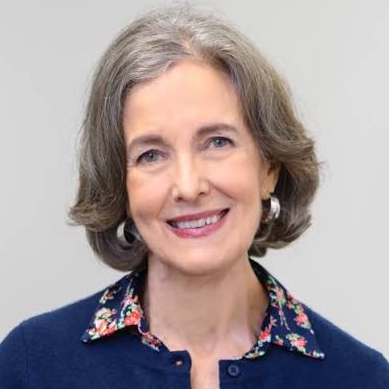
# Why Couples Fight: Childhood Wounds, Triggers & Emotional Healing **With Harville Hendrix & Helen LaKelly Hunt** Why do couples keep having the same arguments, even when they love each other? What if the real reason you're fighting has very little to do with what's happening today—and everything to do with wounds from your childhood? In this powerful conversation, JJ Flizanes welcomes **Harville Hendrix and Helen LaKelly Hunt**, creators of Imago Relationship Therapy and bestselling authors of *Getting the Love You Want*, to explore childhood core wounds, unconscious relationship patterns, and the emotional triggers that keep couples repeating the same conflicts. Harville and Helen share their personal stories, the origins of Imago Therapy, and how their own relationship struggles helped shape a revolutionary approach to communication and healing. Harville also reveals a newer insight about the difference between managing relationship power struggles and moving beyond them into real love. JJ shares how discovering the Imago Core Wound Exercise nearly a decade ago became the foundation for her **Core Wound Map®** and *Rewiring Your Core Wound Patterns* program—helping people uncover the subconscious beliefs and survival strategies influencing their relationships, health, happiness, and sense of self. ### In This Episode, You'll Discover: - Why childhood wounds show up as emotional triggers in adult relationships. - How unmet childhood needs influence who we choose as partners and why we fight. - The fascinating origins of Imago Relationship Therapy. - Why understanding your past isn't always enough to change your patterns. - How listening, mirroring, validation, and empathy can transform communication. - The difference between managing conflict and experiencing real love. - How identifying your core wounds can help you change repeating emotional and relationship patterns. **The biggest takeaway?** The argument you're having today may be connected to a wound you experienced decades ago. Real emotional healing isn't simply understanding why you react—it's learning to respond differently. As JJ says, **"Healing is when you are different in the same situation."** ### Ready to Discover and Rewire Your Core Wounds? **1. Core Wound Map® Founders Experience** Join JJ's exclusive six-week Founders Experience beginning November 1 and help shape the Core Wound Map while discovering the hidden patterns influencing your life. https://jjflizanes.com/map **2. Pre-Order JJ's New Core Wound Book** Be part of the book's pre-launch campaign, explore exclusive bonuses, and support bringing this transformative work to a wider audience. **Book pre-launch URL:** \[Insert correct URL] **3. Three-Month Private One-on-One Coaching** Work personally with JJ to identify your core wounds, understand your emotional patterns, and develop a personalized roadmap for lasting change. **Private coaching URL:** \[Insert correct URL] **4. Rewiring Your Core Wound Patterns — 2027 Program** Ready for a deeper transformation? Apply for JJ's nine-month Rewire program and learn to change the subconscious patterns driving your emotional reactions, relationships, and self-sabotage. https://jjflizanes.com/apply **Connect with JJ:** https://jjflizanes.com **SEO Keywords:** childhood wounds, relationship triggers, emotional healing, Harville Hendrix, Helen LaKelly Hunt, Imago Therapy, relationship conflict, core wounds, subconscious patterns, relationship healing, couples communication, rewiring emotional patterns.
# Why Couples Fight: Childhood Wounds, Triggers & Emotional Healing **With Harville Hendrix & Helen LaKelly Hunt** Why do couples keep having the same arguments, even when they love each other? What…