Jul 17, 2026 · 58 min · 14 segments
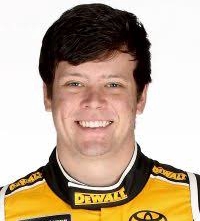
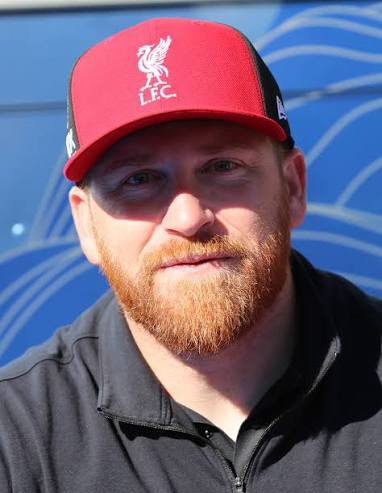
**Fine Line & Whiskey Podcast** Nick and Brian are back breaking down everything from this weekend in NASCAR. From race strategy and mechanical failures to the latest headlines around the garage…
Um, so yeah, getting into the show a little bit.
Um, so obviously rain played a huge factor in this race, and we had a four-something-hour delay.
But, you know, kind of going through the statistics part of this here, uh, we had 30 lead changes amongst 10 drivers, which is surprising because of the way that the racing style was.
It seemed like with the aero package in this race that it wasn't really kind of bumper-to-bumper in that regard, and there wasn't really a tremendous amount of pack racing.
And there was a little, uh, like a good mix of intermediate level spacing going on, at least at the front.
In the back there seemed to be a lot going on there.
There was a lot of, a lot of activity.
But, you know, primarily the broadcast was kind of focused, um, you know, on the leader or whatnot.
Uh, from your perspective, Bobby, um, w- how did the racing look to you? Did it seem like a traditional pack racing? And, and we're comparing this to, like Talladega, since you've been to Talladega.
What, what's your kind of opinion on the w- the style of the racing? Did you kind of notice that some things that were different from previous years or previous times of going to Atlanta?
I, I mean, I felt like I should say, 'cause, you know, s- watching it on TV versus seeing it, uh, live is, is vastly different.
Um, I felt like at the, the first stage, uh, there was definitely a lot of, um, uh, you know, fuel saving.
It seemed like fuel saving was, was definitely a big thing the first, uh, first stage.
Yeah, yeah.
And yeah, you know, I definitely didn't feel like it was really, really a, um, a lot of pack racing going on.
You had, you had at times where you had packs of, of six to eight cars, um, you know, at certain points in, in the race.
Um, but for the most part, man, it, it, you know, seemed to be more of a, I guess intermediate, uh, style of racing than, you know-
Yeah
Yeah, and I would agree with that because we only had seven caution flags for about 49 laps in totality.
The rest of this transcript — segmented and speaker-labeled, so you land on the exact moment something was said
Search every transcript — by keyword, by phrase, or by meaning, across every show Radar indexes
Trends — what is surging across podcasts, measured against its own baseline
Alerts — when a name you follow appears in a newly indexed episode
No account is needed to search Radar.