Film at Lincoln Center Podcast
Sep 29, 2026 · 13 min · 10 segments
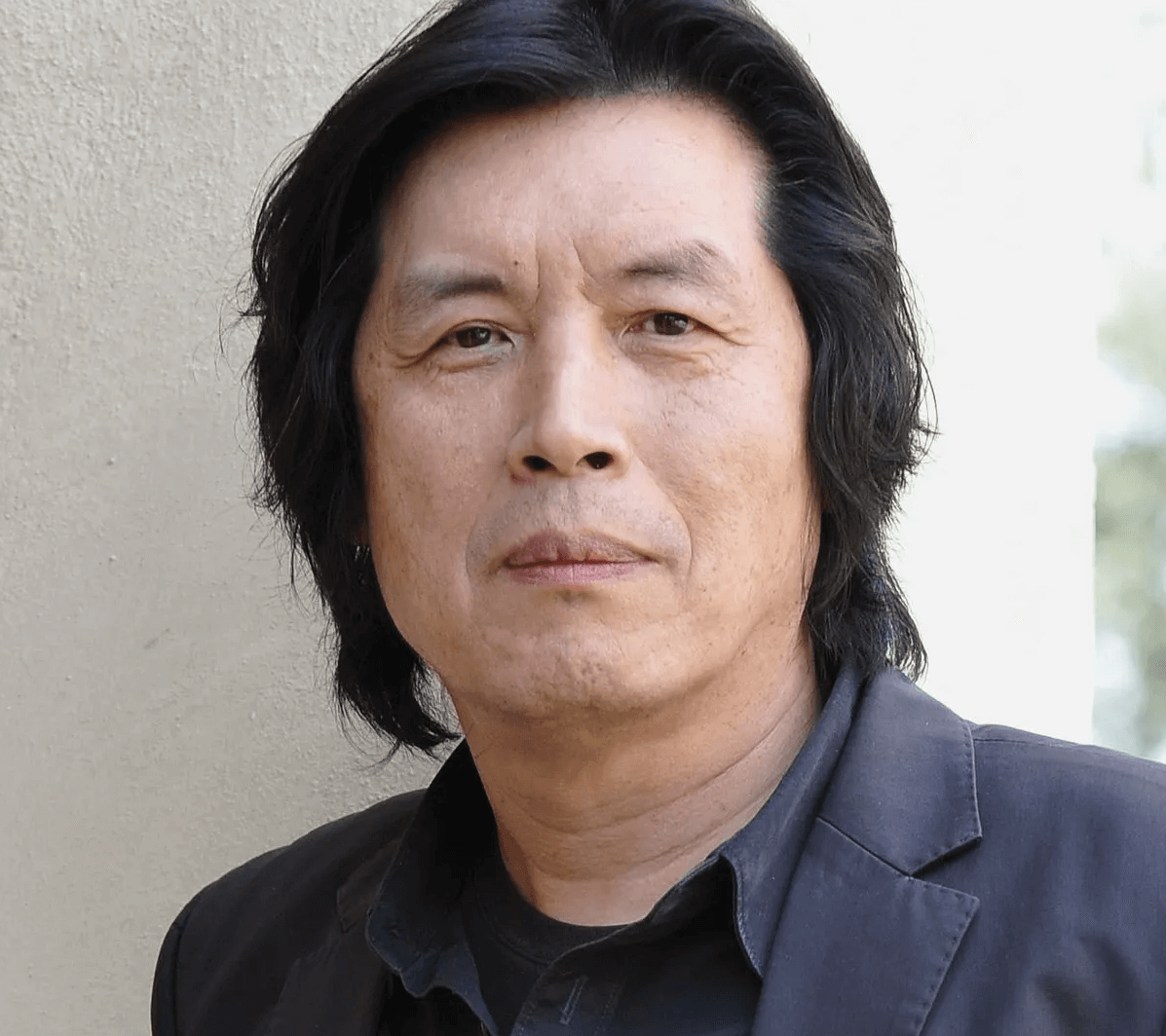
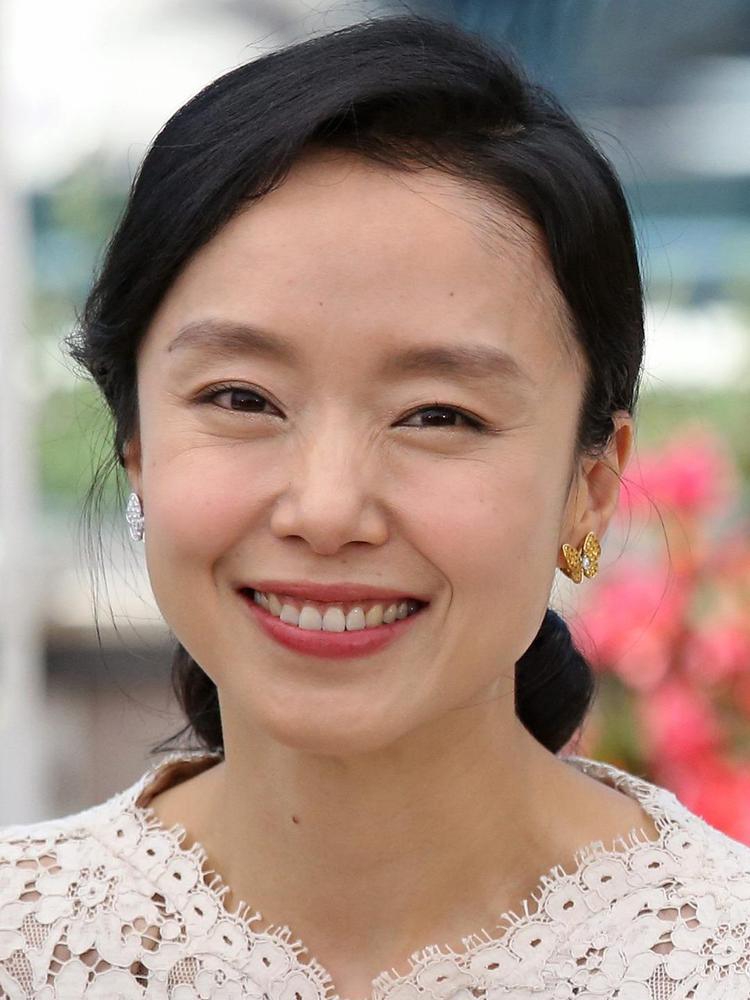
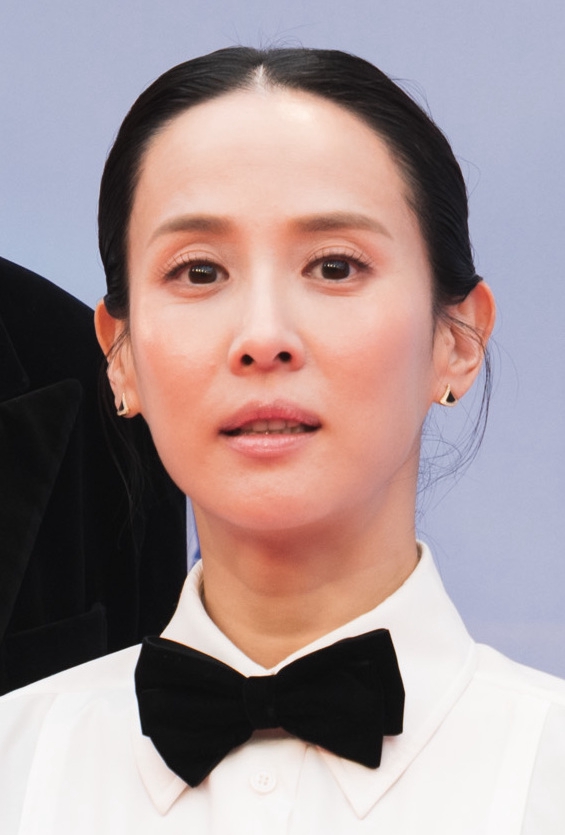
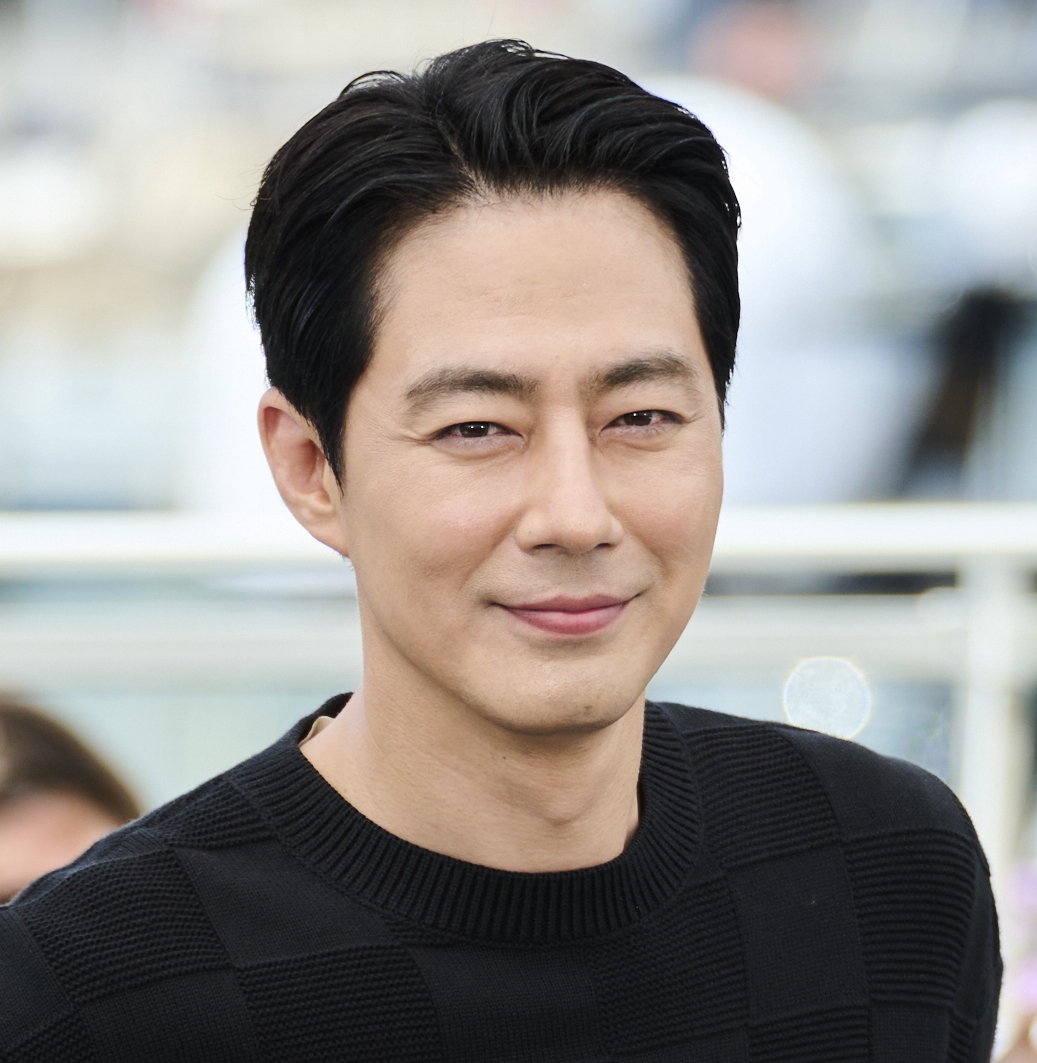
At the 64th New York Film Festival, Lee Chang-dong, Jeon Do-yeon, Sul Kyung-gu, Zo In-sung, and Cho Yeo-jeong discuss Possible Love with NYFF Artistic Director Dennis Lim. Thanks to Haley Yung…
Jeon Do-yeonGuest
Lee Chang-dongGuest
Sul Kyung-guGuest
About 10 years ago, there was a very large Korean conglomerate that went through a mass
layoff.
of nearly 40% of its workforce, which was met with a all or nothing strike from the laid off laborers, which was then met with a quite violent crackdown by the authorities.
And not only was this event a grave shock to the overall Korean society, I was personally very shocked by it as well.
And at the time, what really caused the biggest amount of pain in these laborers that were laid off was how the people of Korea did not support their strike.
And they believed that they were right in their carrying out the strike because they were fired for absolutely no fault of their own.
And they fought against it because they felt that it was very unfair.
However, the people of Korea, they were not on their side.
And there was also conflict between those that were fired and those that had made the cut, that were still with the company.
And furthermore, there were conflicts between the people who were altogether fired.
And so...
And so what followed after that, really the after effects were that out of the laid off laborers and also family members, over 30 people took their own lives.
And at the time, I thought that not only was this event going to fundamentally change the Korean society, it was going to really transform it was going to fundamentally change the everyday lives of Korean people as well.
And so I had wanted to tell the story in the format of a film.
But the closer I got to these individuals' stories and their lives, the more I began to doubt myself Is it going to be possible for me to tell this story? Am I worthy of telling their story? And can I truly be on their side? And because I had failed to answer those questions and I had failed to find meaning for my wanting to tell the story in the form of a feature film, even though I went through the writing process and even pre-production, I had to show off the project.
And after that, we began to see how so many things were changing in the labor issue fundamentally.
And with things like the technological revolution, including things like AI, we find ourselves living in an era where the very meaning of labor is about to disappear.
However, still, even then, I still couldn't find enough reason for me to tell the story.
It was in the fall of 2024 when my co-writer, Oh Jung-mi, at the time, she suggested, why don't we bring in a story about a documentary filmmaker who wants to tell the labor workers, the laid off workers story? And it was then that it came to me, this is not going to be just a story about the pain of others, but it could also be a story of myself as a filmmaker.
And so we came with that structure of it also being a story about the labor issues, but at the same time, the story of the filmmaker's gaze that wants to capture and portray the pain of others' lives.
The rest of this transcript — segmented and speaker-labeled, so you land on the exact moment something was said
Search every transcript — by keyword, by phrase, or by meaning, across every show Radar indexes
Trends — what is surging across podcasts, measured against its own baseline
Alerts — when a name you follow appears in a newly indexed episode
No account is needed to search Radar.