Sep 28, 2026 · 4 min · 6 segments
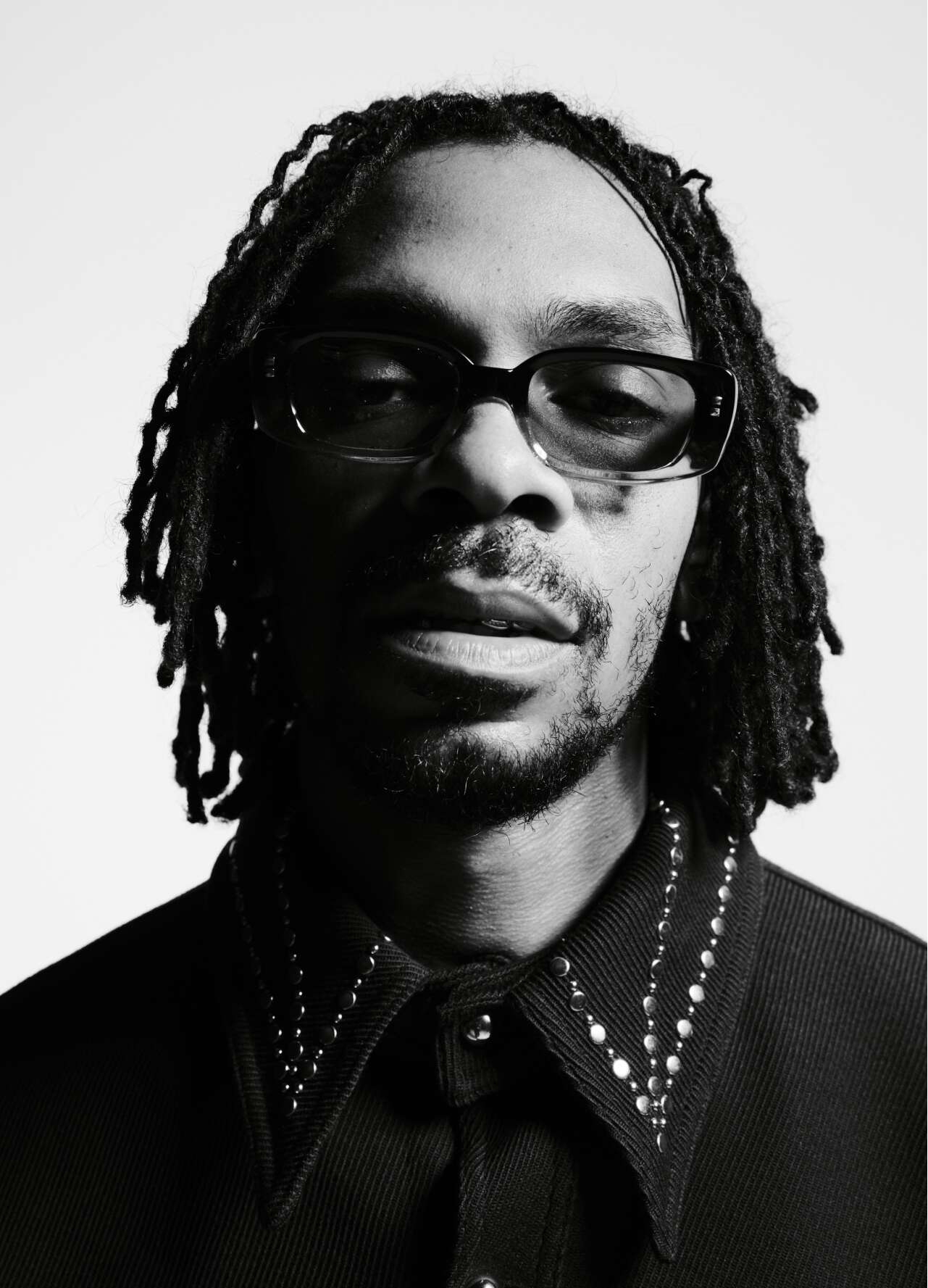
Kiefer’s Memory Bomb brings jazz history into conversation with hip-hop drums, funk arrangements, and modern soul. In this review, Lighthou5e breaks down Kiefer’s musical upbringing, his “Over the…
Raised in San Diego by two pianists, he learned classical technique from his mother and discovered jazz through his father's collection.
Records by Sonny Clark, Gene Harris, and Miles Davis told him that pianists can lead from the front or shape the entire sound from underneath.
That lesson followed Kiefer from UCLA where he studied under jazz legend Kenny Burrell into Los Angeles' beat scene.
His over-the-breaks approach blends improvised piano with loop drums, giving him a sound that lives comfortably between a jazz club and a producer's basement.
Working with close collaborators like Khartoum, Shebo, and Nate Smith, He builds arrangements where every instrument gets room to speak.
The song Overture lets Smith command a relaxed boom bat pocket while Kiefer's electric piano adds sharp chords and warm harmonic color.
The song Don't Fail Me Now opens the album into full band funk Horns, guitars, keys, bass, and drums lock together inside a swaggering groove.
Gareth Duncan brings encouragement to the song, Can't Let a Good Thing Go, while Amber Naverin and Phil Boudreau turn the song Won't Be Long into a soulful reflection on surviving the long middle stretch between a dream and its arrival.
The images we see while sleeping, the lives we imagine, and the ambition required to build them.
Eric the Architect, Tony Stone, Planet Giza, Ray Khalil, Cisco Swank, and Amber Navarone each bring a different emotional perspective.
And I like the texture of Amber Navarin's voice.
It's smoky and airy just as much as Sultry.
She's also a member of the group Moonshot.
But all around, the result of this project feels like a collection of private thoughts held together by Kiefer's warm chords and deep rhythmic instincts.
The rest of this transcript — segmented and speaker-labeled, so you land on the exact moment something was said
Search every transcript — by keyword, by phrase, or by meaning, across every show Radar indexes
Trends — what is surging across podcasts, measured against its own baseline
Alerts — when a name you follow appears in a newly indexed episode
No account is needed to search Radar.