Doc Talk: A Deadline and Nō Studios Podcast
Sep 10, 2026 · 40 min · 8 segments
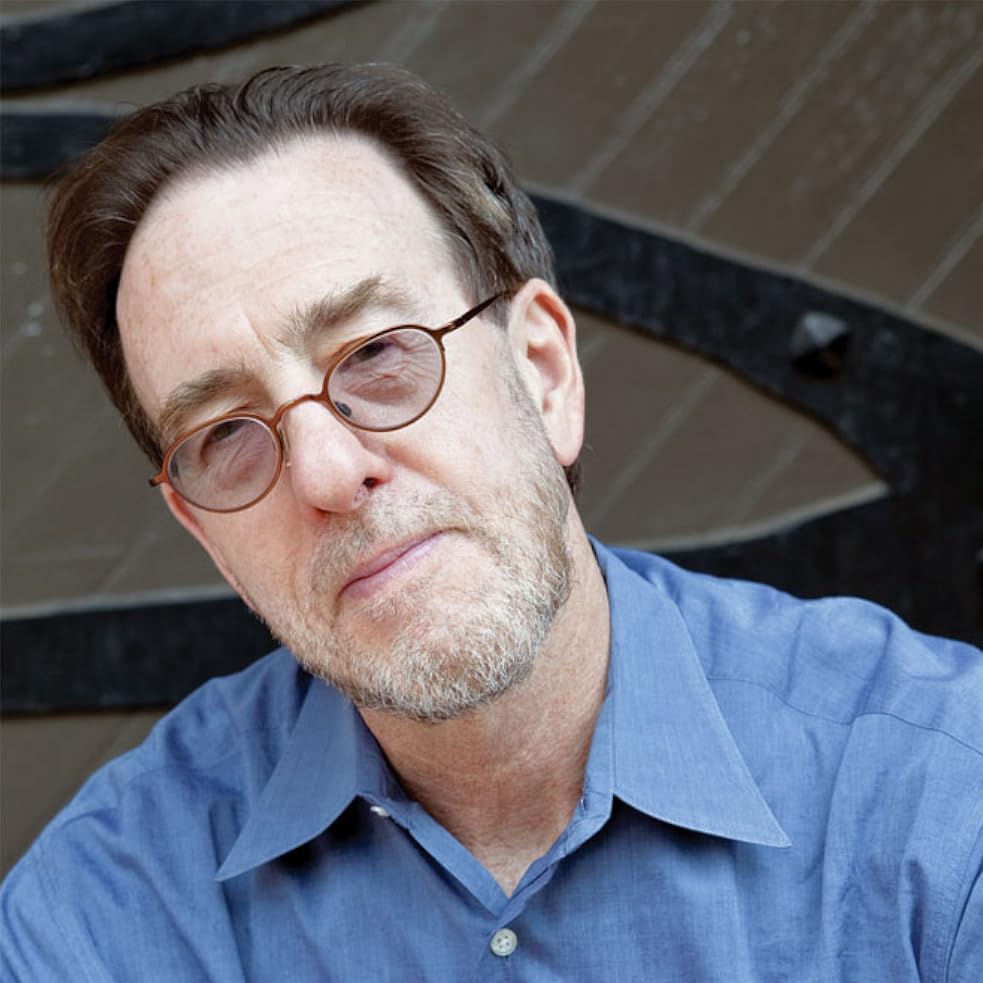
Award-winning filmmaker Ross McElwee discusses his deeply personal documentary *Remake*, the story of his relationship with his son, Adrian, who was a presence in many of the director's earlier films…
Ross McElweeGuest
whole notion, you know, I'm frequently asked to do question and answer sessions after a screening of my film.

And I've always enjoyed doing that, the back and forth between myself and the audience.

And one of the reasons why I like to see films projected into a dark space with a lot of people not knowing one another, and I like talking to them, Afterwards, and doing Q&As.

And actually, I told the distributor of the film after a certain point, I don't think I can do Q&As anymore.

I've sort of backed off trying to do those because I always find myself, first of all, well, not to try to flatter you, but you guys are really on top of things.

the film and how to talk about it in a way that is not always true, even from moderators who end up helping me on stage is just very different.

It's the kind of ease that I have talking to you that I don't always have talking to audiences.

Maybe it's always easier to talk to people one-on-one or two-on-one, and that there's something about a crowd that just makes it more complicated.

I'm happy to introduce it, thank people for coming, thank them for coming to the little cinema that's showing it, and I hope that they'll continue to support it, but I don't do UNI sessions.
I think the film has much to say about memory, the purpose of memory, how memory...
I think in the opinion of Charlene, who you were just referencing, the poetry teacher, can...
The rest of this transcript — segmented and speaker-labeled, so you land on the exact moment something was said
Search every transcript — by keyword, by phrase, or by meaning, across every show Radar indexes
Trends — what is surging across podcasts, measured against its own baseline
Alerts — when a name you follow appears in a newly indexed episode
No account is needed to search Radar.