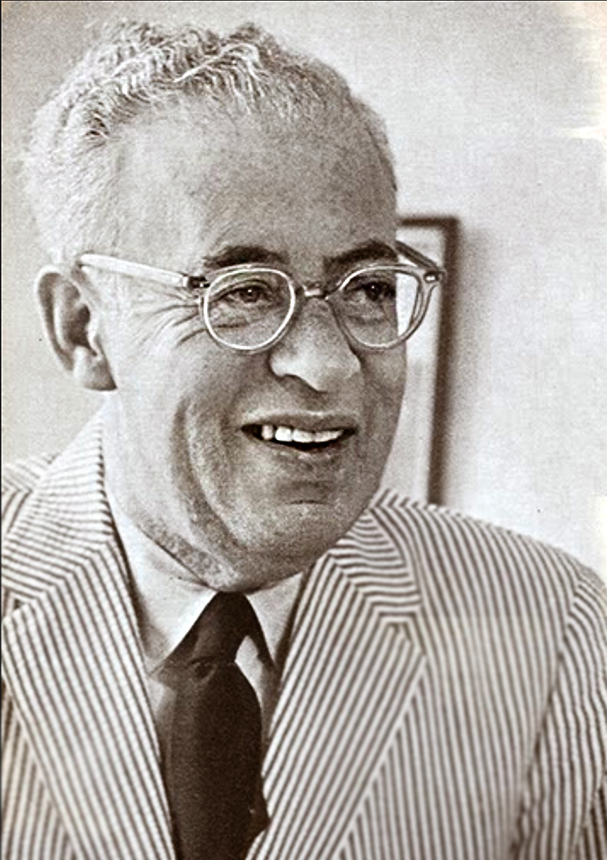
Rules for Radicals Explained: How Outrage Took Over the Internet
Oct 7, 2026 · 20 min · 9 segments
**Saul Alinsky's *Rules for Radicals* was written for organizers on the ground in 1971, but its tactics of ridicule, polarization, and intentional conflict now shape the outrage-driven internet you…
**Saul Alinsky's *Rules for Radicals* was written for organizers on the ground in 1971, but its tactics of ridicule, polarization, and intentional conflict now shape the outrage-driven internet you scroll every day. In this deep dive, we take the engine of political conflict apart so you can see how it works, no matter who is turning the key.** Most of us were raised to be polite, seek compromise, and keep the peace. Alinsky argued the opposite. To him, "order" was a thermostat set by the people who own the house, while everyone else is left freezing. We walk through how he split society into three groups: the haves, the have-nots, and the have-a-little-want-mores. We also explain why he believed the first step in community organization is community *disorganization*. Think of a surgeon re-breaking a bone that healed wrong. You get short-term pain in exchange for a long-term fix. To make that happen, Alinsky called for polarizing every issue to 100%: your side on the side of the angels, the opposition on the side of the devil. Then we get to the playbook itself, and some of it reads like an elaborate prank. We cover the planned restroom occupation at Chicago's O'Hare Airport, which won a meeting with city officials without ever taking place. We also look at the proposed baked-bean dinner before a Rochester symphony concert, aimed at pressuring Eastman Kodak, and a chewing-gum protest that left a strict campus administration with no idea how to respond. We break down core rules such as "ridicule is man's most potent weapon" and "pick the target, freeze it, personalize it, polarize it." That second rule is how labor leader John L. Lewis turned fights with General Motors and Republic Steel into personal battles with Alfred Sloan and Tom Girdler. Finally, we weigh the costs. Critics writing from a social work perspective argue that ridicule strips people of their basic dignity. Other scholars warn that a movement built only for war leads to burnout and leaves people unprepared to govern once they win. We look at Alinsky's means-versus-ends defense, then follow his tactics from the street to cable news and social media. Drawing on research from the University of Pennsylvania, the University of Maryland, and UC San Diego, we explain the retaliation effect, why outrage became a profitable media product, and how "video malaise" erodes trust in democracy. We close with the central tension: conflict may be necessary, but can a society that is constantly re-broken for profit ever heal enough to compromise? *This episode is for anyone who wants to understand political polarization, media manipulation, and the psychology of outrage, without being told what to think.*
**Saul Alinsky's *Rules for Radicals* was written for organizers on the ground in 1971, but its tactics of ridicule, polarization, and intentional conflict now shape the outrage-driven internet you…
- Show signals
- SuitabilityLimitedBiasLeans right