Crypto, Explained by the National Cryptocurrency Association
45: Crypto in the Real World
Sep 2, 2026 · 36 min · 11 segments
Picture someone who owns crypto. For most of us the same face shows up: a young guy, a wall of screens, a lot of jargon, and maybe a little too much confidence. That picture is doing real damage…
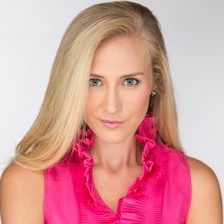
Picture someone who owns crypto. For most of us the same face shows up: a young guy, a wall of screens, a lot of jargon, and maybe a little too much confidence. That picture is doing real damage, because it tells everyone who does not see themselves in it that this was never meant for them. In this episode, Ali Tager sits down with Kristina Sherk, a headshot photographer and Photoshop educator based outside Washington, D.C. Kristina has spent a decade helping people look and sound their best on camera and teaching other creatives to do the same. She did not arrive at crypto through a hot tip or a price chart. She arrived through a very ordinary pressure a lot of Americans will recognize, which was a business that stopped when the world did. Nobody needed a headshot in a mask. Her husband raised the idea, and she found herself with an unfamiliar amount of free time and a question she was not willing to answer casually. What she did next is the actual story. She refused to put money into an asset class she could not explain, so she watched what she describes as every documentary known to man, and kept going until something clicked. The thing that finally landed was a problem she already understood better than most people, because she lives it: anything digital can be copied. She watermarks her photographs and people crop the watermark out. Napster and Limewire did the same thing to music and film. So how do you build something digital that cannot simply be duplicated, and why does the answer make a shared, public list of receipts the most interesting invention of her lifetime? Kristina also talks about growing up in the Philippines and Ivory Coast while her father worked as an economist for development banks, and what it did to her sense of how differently money works depending on where you happen to be standing. The conversation ends where a lot of people actually need it to end, which is on proportion. Ali is candid that she is not all in, and walks through what sits alongside the crypto in her own financial life. Kristina talks about verification, and why a system anyone can audit changes what is possible when something goes wrong. Neither of them tells you what to do. That is the point. Read Kristina's story and find free Crypto 101 courses at nca.org, built for people who are curious but nervous about a first step. Remember, crypto was always meant for everyone, including you. What We Discuss: 0:00 – Intro: "Bigger Than the Internet" 1:11 – Meet Christina Shirk 3:08 – COVID & the Push to Learn 7:14 – Growing Up Around the World 13:22 – The Double Spend Problem 16:24 – The "Aha" Moment 25:46 – Crypto & Human Rights 32:36 – Banking the Unbanked Learn more about the National Cryptocurrency Association (NCA): Website: https://nca.org X: @natcryptoassoc Instagram: @natcryptoassoc TikTok: @natcryptoassoc LinkedIn: National Cryptocurrency Association Facebook: National Cryptocurrency Association Disclaimer: This content is for educational purposes only and does not constitute financial, legal, or tax advice.
Picture someone who owns crypto. For most of us the same face shows up: a young guy, a wall of screens, a lot of jargon, and maybe a little too much confidence. That picture is doing real damage…