Today, we're looking at a relationship with a long memory and a future that is becoming increasingly important.
It goes back to the period of African liberation, to diplomatic ties, to education and training, to political support, and in Ethiopia's case specifically, to an even older history of contact and mutual recognition.
How can we widen the number of partners available for trade, investment, technology, infrastructure, education, and development? So that question is becoming more important as global economy changes.
And there is also a growing discussion about whether international institutions still reflect the world as it looks today.
And this year, discussions around technology, AI development, trade and the wider Russia-Africa partnership have gained new attention.
And one important part of that story has been the diplomatic activity surrounding Russian Foreign Minister Sergei Lavrov in July.
Lavrov traveled to Addis Ababa for the annual high-level consultations between Russia and the African Union.
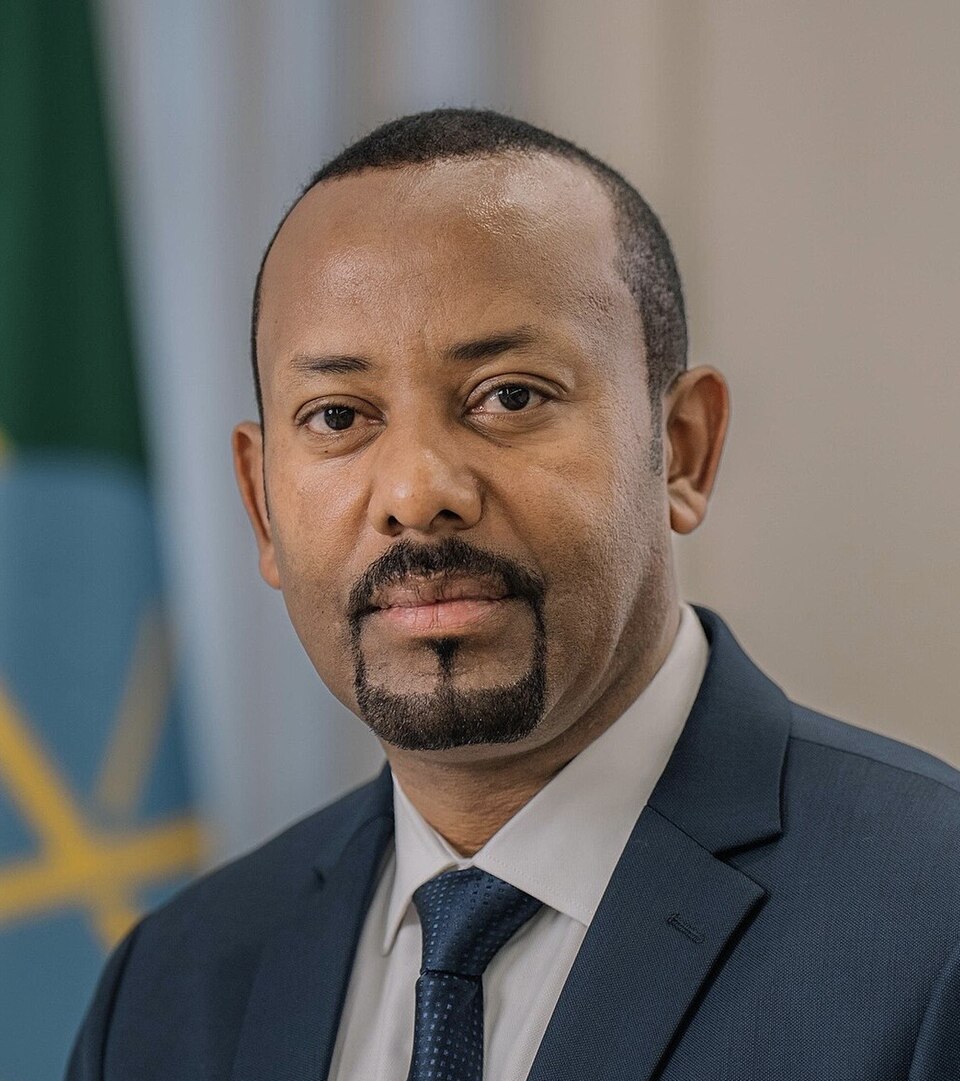
His visit included meetings with Ethiopian Prime Minister Abiy Ahmed and Foreign Minister Gedeon Timotios.
The talks covered a wide range of areas, trade and investment, technology transfer, education and science, agriculture, energy, infrastructure, health and emerging technologies.
And the discussions also included regional peace and security cooperation through BRICS and the United Nations and the question of reforming global institutions.
The African Union and Russia discussed the need to expand trade and investment while increasing value addition to African agricultural products and mineral resources and The consultations also reaffirmed Russia's support for stronger African representation in the United Nations Security Council, including permanent African representation.
The rest of this transcript — segmented and speaker-labeled, so you land on the exact moment something was said
Search every transcript — by keyword, by phrase, or by meaning, across every show Radar indexes
Trends — what is surging across podcasts, measured against its own baseline
Alerts — when a name you follow appears in a newly indexed episode
No account is needed to search Radar.