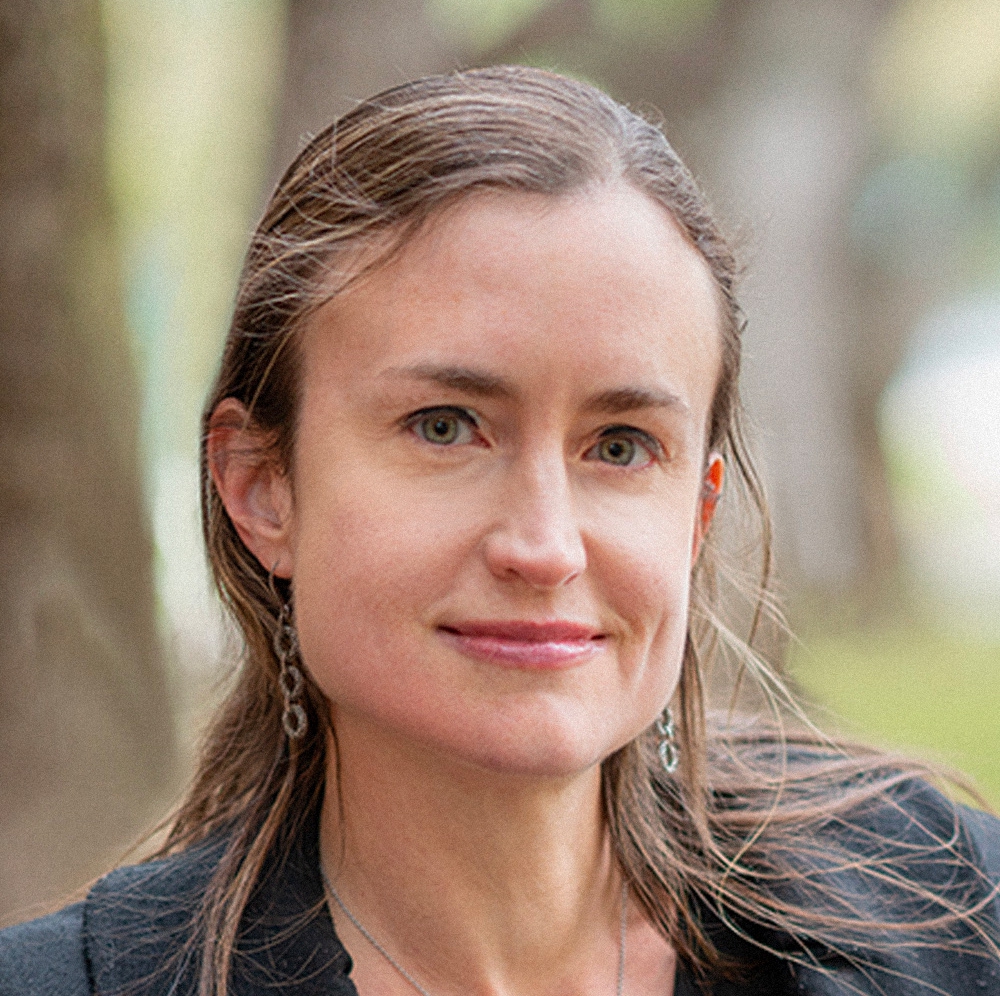
Confronting Christianity with Rebecca McLaughlin
Sep 15, 2026 · 46 min · 9 segments
Why are we so uncomfortable with aging, dependency, and death? Rebecca talks with Jen Wilkin about aging, death, dependency, and why Christians should be able to face all three differently. Use code…
Jen WilkinGuest
Rebecca McLaughlinHostMoving seamlessly to the question of death, which actually, I mean, you were mentioning that your younger friends put a high value on meaning and the meaningfulness of a job sometimes over and above like what paycheck is it going to bring in this week and how much can I be sort of saving for retirement.
There's an extent to which I think and I'm sure there's something that you reflect on as you're writing the book on aging like as you go further on in life if anything you should be thinking more about meaningfulness Um, and, and I'm curious for, for your thoughts, you know, maybe somebody was asking you a question who maybe wasn't a Christian.
And they said, Jen, the reality is that you and everyone you're talking to, including all those Gen Z folks who are figuring out their jobs, the reality is you're going to die.
You are going to return to the atoms and molecules that currently make up your body and your brain are going to be redistributed.
So why are you even thinking about these questions? Why ponder and reflect? Why care what job somebody does or doesn't do or how you care for an older family member or church community member? What is even the

point? I would say that if that's your worldview, you've asked and answered your own question.

If there's nothing that transcends you, that, I mean, if there's not a personhood, I should say, I think we can look around us and see that nature transcends, for example.

But the thing that you think is transcendent is the thing that you will make your religion.

And the particular worldview that you've just described, and I really please, if that is your worldview, there are people in my family who hold that worldview, so I'm not Nothing in what I'm about to say is meant to be taken as snark or a pat answer.

But I'm genuinely saying based on my experience of the world as it fits with my understanding of the divine.

If we are just atoms and molecules that are together in one form for a time and then dispersed after that time, I don't know why you would assign a moral value to anything, much less living and dying.

But what's fascinating to me is at least the people that I know who hold to that view, They're actually very religious about certain things.

They may not conform to a traditional view of religion, but they have forms of religion that they operate from.

Maybe it's dietary practices or maybe it's the way that they spend their discretionary time in either exercise or even meditation.

Like people who I would not say have a... have a sense of a higher power, who still embrace some rhythms that to me look like vestiges of what I would call spiritual disciplines.

Other than that, I think there's something in them that testifies to a greater truth, whether they acknowledge it or not.

And why is that? Well, you know, my worldview accommodates that by saying, because that's when you've never been more human than when you're being generous, because that's what you're built for.
Moving seamlessly to the question of death, which actually, I mean, you were mentioning that your younger friends put a high value on meaning and the meaningfulness of a job sometimes over and above like what paycheck is it going to bring in this week and how much can I be sort of saving for retirement.
There's an extent to which I think and I'm sure there's something that you reflect on as you're writing the book on aging like as you go further on in life if anything you should be thinking more about meaningfulness Um, and, and I'm curious for, for your thoughts, you know, maybe somebody was asking you a question who maybe wasn't a Christian.
And they said, Jen, the reality is that you and everyone you're talking to, including all those Gen Z folks who are figuring out their jobs, the reality is you're going to die.
You are going to return to the atoms and molecules that currently make up your body and your brain are going to be redistributed.
So why are you even thinking about these questions? Why ponder and reflect? Why care what job somebody does or doesn't do or how you care for an older family member or church community member? What is even the

point? I would say that if that's your worldview, you've asked and answered your own question.

If there's nothing that transcends you, that, I mean, if there's not a personhood, I should say, I think we can look around us and see that nature transcends, for example.

But the thing that you think is transcendent is the thing that you will make your religion.

And the particular worldview that you've just described, and I really please, if that is your worldview, there are people in my family who hold that worldview, so I'm not Nothing in what I'm about to say is meant to be taken as snark or a pat answer.

But I'm genuinely saying based on my experience of the world as it fits with my understanding of the divine.

If we are just atoms and molecules that are together in one form for a time and then dispersed after that time, I don't know why you would assign a moral value to anything, much less living and dying.

But what's fascinating to me is at least the people that I know who hold to that view, They're actually very religious about certain things.

They may not conform to a traditional view of religion, but they have forms of religion that they operate from.

Maybe it's dietary practices or maybe it's the way that they spend their discretionary time in either exercise or even meditation.

Like people who I would not say have a... have a sense of a higher power, who still embrace some rhythms that to me look like vestiges of what I would call spiritual disciplines.

Other than that, I think there's something in them that testifies to a greater truth, whether they acknowledge it or not.

And why is that? Well, you know, my worldview accommodates that by saying, because that's when you've never been more human than when you're being generous, because that's what you're built for.
The rest of this transcript — segmented and speaker-labeled, so you land on the exact moment something was said
Search every transcript — by keyword, by phrase, or by meaning, across every show Radar indexes
Trends — what is surging across podcasts, measured against its own baseline
Alerts — when a name you follow appears in a newly indexed episode
No account is needed to search Radar.