Game Models, Style of Play & Session Planning | Shane Hassett Clare Senior Hurling
Jul 24, 2026 · 1 hr 8 min · 15 segments
**Join my weekly coaching newsletter for practical coaching insights, resources and sport science content:**https://fhs-performance.kit.com/4d8709e773…
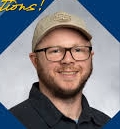
**Join my weekly coaching newsletter for practical coaching insights, resources and sport science content:**https://fhs-performance.kit.com/4d8709e773 In this episode of **Coach's Lab**, I sit down with **Shane Hassett**, coach with the Clare senior hurling team and founder of **Master Coach Consultancy**, to explore how elite coaches design training sessions, develop a game model and connect every activity back to how they want their team to play. Shane shares his journey from strength & conditioning into senior intercounty coaching and explains how his background in sport science continues to shape his coaching philosophy. We discuss representative practice, constraints-led coaching, principles of play, session planning, games-based conditioning and how coaches can better integrate physical development into technical and tactical sessions. Whether you coach **hurling, Gaelic football, camogie or any invasion sport**, this conversation is packed with practical ideas that you can immediately apply to your own coaching. **In this episode we discuss:** - Shane's journey from S&C to senior intercounty coaching - Building a game model and principles of play - Designing representative training sessions - Using constraints to shape player behaviour - Games-based conditioning and integrating S&C - Balancing drills with game-based practice - Planning around the opposition while maintaining your identity - Practical advice for coaches at every level **Connect with Shane:** https://mastercoachconsultancy.com/ **Join my weekly coaching newsletter for practical coaching insights, resources and sport science content:** https://fhs-performance.kit.com/4d8709e773 If you enjoy the podcast, please follow the show and leave a rating or review—it really helps more coaches discover the podcast.
**Join my weekly coaching newsletter for practical coaching insights, resources and sport science content:**https://fhs-performance.kit.com/4d8709e773…