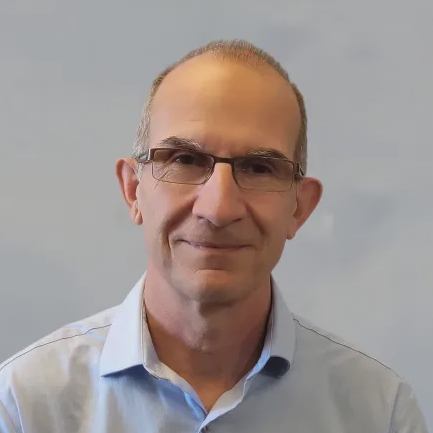
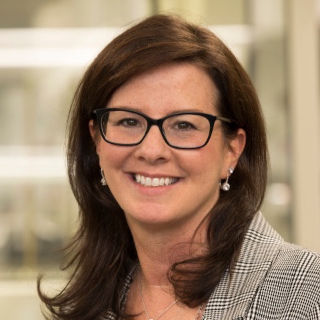
Vicente TalanquerGuestMelissa ColliniHostAwesome, and can you give a brief overview of the community conversation you're gonna be moderating?

Yeah, so the BCCE this year has, um, different context in six of them, and one of them has to do with centering authentic phenomenon practices, so that is where this conversation is, uh, focused.
Can you expand a little bit on what you mean when you say authentic phenomenon and practice? Like, what...
Can you convert it into the, like, layman's terms? What do you mean when you say that we wanna focus on authentic phenomenon and practice in our classrooms?

Yeah, so the idea is that traditionally, uh, when you go into, particularly at the introductory level, uh, you, if you went to chemistry classroom, you will see students working on stoichiometry problems, building electron configurations, you know, building Lewis structures, but typically in a decontextualized way.

So it is not necessarily linked to why is that important, in g- in which context it is important, uh, why are we doing this.

So we, we would say that that is not an authentic way of presenting chemistry because chemistry is a very applied science, it's very useful in many different contexts, and all these concepts that we are trying the students to learn, uh, we would like them not just to know them.

We would like them to be able to connect them to how they are useful to think about the world, solve problems in the world, make decisions in the world.

So when we say we would like chemistry to be more f- centered on authentic phenomena, what we are trying to convey is the idea is that we should look for those, uh, problems, phenomena in our world in which chemistry is very useful to think about and solve, and we should then use them to center, to anchor our instruction, uh, so that the need to know comes from the need to understand these very relevant problems or phenomenon.

That's what I would say that is making chemistry more centered in authentic problems and not just in our favorite problems, no? We love the idea-

Well, that is a way of conceptualizing what chemistry is about, but we, I think that many people now believe that chemistry School chemistry is much more, or it should be more, much more than that.
Well, yeah, I love the way you said not just our favorite problems, 'cause I, I find myself slipping into that where I'm like, "Ooh, I love mechanisms." And you're like, "Oh, but do the students know why that matters or why I'm making them do this?" And I try to connect at least a little bit to like, oh, we're learning about this because here's a real-world problem that arose from it.
But it i- it can be really difficult to find ways of actually fitting in the opportunity for them to apply and not just get through the curriculum that it feels-
So that's, I think that's a really important thing to address and think about.
And I, and I found in my own teaching, you know, I've been doing this chemistry podcast where we really try to anchor our explanations of chemistry phenomenon in questions about everyday life.
Like, how does soap get your hands clean, or, you know, why does toast get brown, or things like that that I am able to explain with some of the phenomenon.
Awesome, and can you give a brief overview of the community conversation you're gonna be moderating?

Yeah, so the BCCE this year has, um, different context in six of them, and one of them has to do with centering authentic phenomenon practices, so that is where this conversation is, uh, focused.
Can you expand a little bit on what you mean when you say authentic phenomenon and practice? Like, what...
Can you convert it into the, like, layman's terms? What do you mean when you say that we wanna focus on authentic phenomenon and practice in our classrooms?

Yeah, so the idea is that traditionally, uh, when you go into, particularly at the introductory level, uh, you, if you went to chemistry classroom, you will see students working on stoichiometry problems, building electron configurations, you know, building Lewis structures, but typically in a decontextualized way.

So it is not necessarily linked to why is that important, in g- in which context it is important, uh, why are we doing this.

So we, we would say that that is not an authentic way of presenting chemistry because chemistry is a very applied science, it's very useful in many different contexts, and all these concepts that we are trying the students to learn, uh, we would like them not just to know them.

We would like them to be able to connect them to how they are useful to think about the world, solve problems in the world, make decisions in the world.

So when we say we would like chemistry to be more f- centered on authentic phenomena, what we are trying to convey is the idea is that we should look for those, uh, problems, phenomena in our world in which chemistry is very useful to think about and solve, and we should then use them to center, to anchor our instruction, uh, so that the need to know comes from the need to understand these very relevant problems or phenomenon.

That's what I would say that is making chemistry more centered in authentic problems and not just in our favorite problems, no? We love the idea-

Well, that is a way of conceptualizing what chemistry is about, but we, I think that many people now believe that chemistry School chemistry is much more, or it should be more, much more than that.
Well, yeah, I love the way you said not just our favorite problems, 'cause I, I find myself slipping into that where I'm like, "Ooh, I love mechanisms." And you're like, "Oh, but do the students know why that matters or why I'm making them do this?" And I try to connect at least a little bit to like, oh, we're learning about this because here's a real-world problem that arose from it.
But it i- it can be really difficult to find ways of actually fitting in the opportunity for them to apply and not just get through the curriculum that it feels-
So that's, I think that's a really important thing to address and think about.
And I, and I found in my own teaching, you know, I've been doing this chemistry podcast where we really try to anchor our explanations of chemistry phenomenon in questions about everyday life.
Like, how does soap get your hands clean, or, you know, why does toast get brown, or things like that that I am able to explain with some of the phenomenon.
The rest of this transcript — segmented and speaker-labeled, so you land on the exact moment something was said
Search every transcript — by keyword, by phrase, or by meaning, across every show Radar indexes
Trends — what is surging across podcasts, measured against its own baseline
Alerts — when a name you follow appears in a newly indexed episode
No account is needed to search Radar.