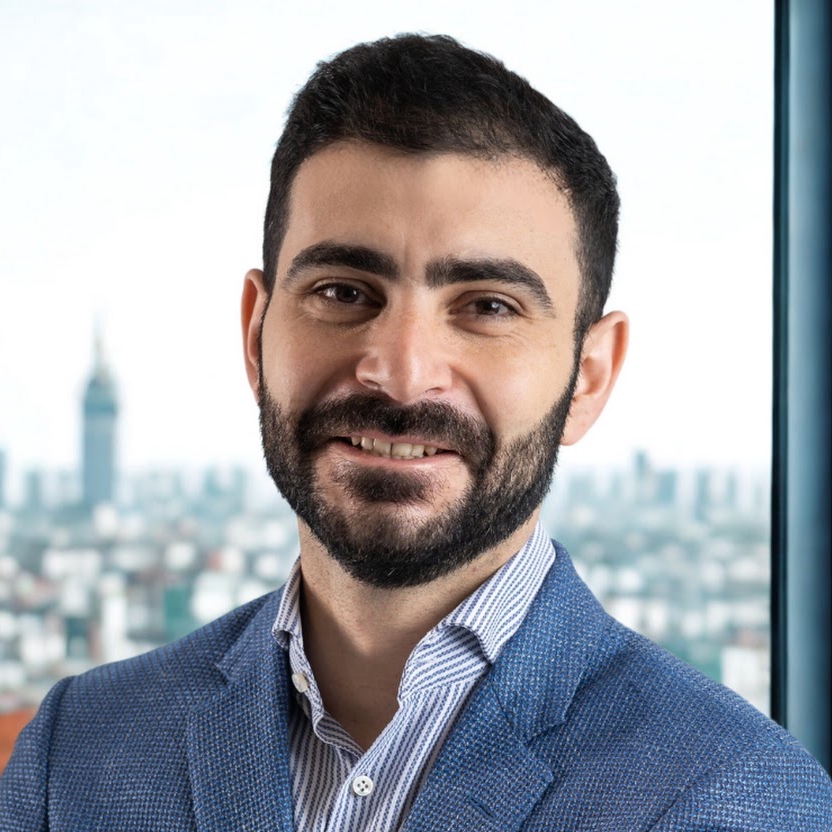
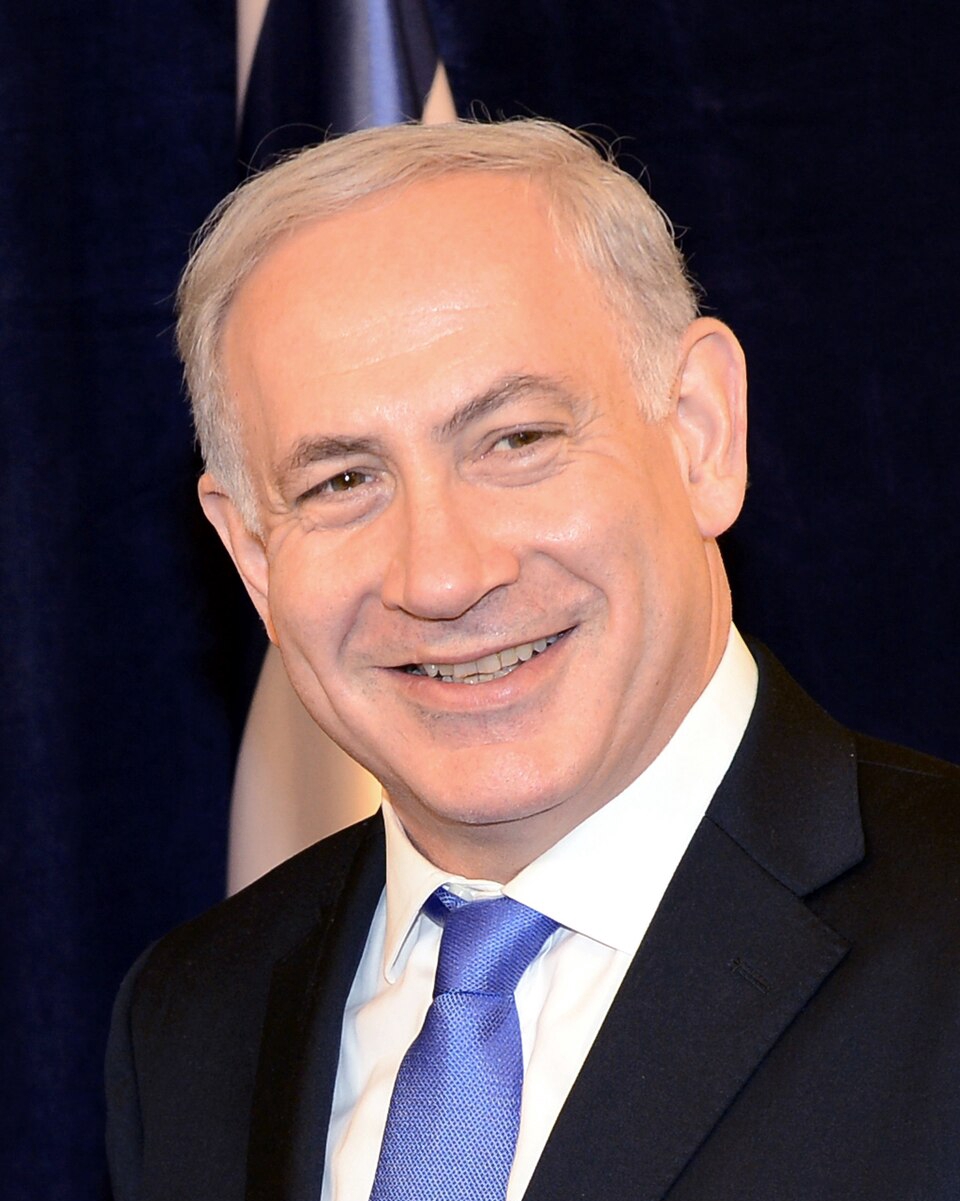
Who controls what appears in our social media feeds, and who decides which voices are amplified, suppressed or removed altogether?Diana Safieh speaks to Issam Hijazi, the Palestinian-Jordanian-Australian founder of UpScrolled, an independent social media platform created in response to concerns about censorship, shadow banning and the power of Big Tech.Issam describes his own experience of posting about Palestine and finding that content received dramatically less visibility than his other posts. He explains how those experiences helped inspire UpScrolled, which has grown from around 150,000 users at the beginning of 2026 to more than five million, largely through organic growth and word of mouth.The conversation explores the increasingly important question of who controls the information we see online. Issam discusses algorithms and shadow banning; data collection and privacy; content moderation and hate speech; fake accounts and bot farms; political influence; and the challenges of building an ethical social media company while competing with some of the world's biggest technology businesses.He also explains UpScrolled's approach to transparency: allowing users greater control over what they see, collecting only the data it needs, not selling user data to third parties, and attempting to moderate content consistently rather than favouring particular political positions or groups.The discussion asks some difficult questions. Can social media ever be politically neutral? Where should platforms draw the line between free expression and harmful content? Can we escape algorithmically created echo chambers? And can an ethical alternative to Big Tech succeed without eventually compromising the principles on which it was founded?

 Issam HijaziGuest
 Diana SafiehHost