Aug 10, 2026 · 23 min · 8 segments
On this episode of Civic Sparks, Leah Verier-Dunn and Beth Duda, Director of the Suncoast Campaign for Grade Level Reading and playwright, talked about…
Beth DudaGuestLeah Verier-DunnHostWhat, in your creative process from all of that research to, you know, till the end result, what...
Were there certain outcomes that you were aiming for so that it felt like it aligned with, you know, the aspirations of the Patterson Foundation? So

it seemingly magically fell into place as I find the creative process very often kind of lead you to that.

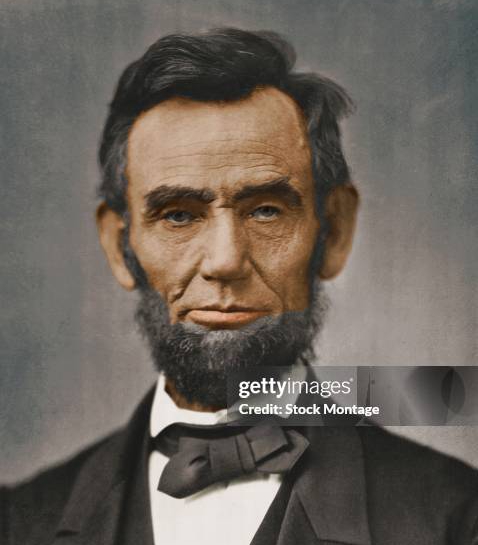
I think early on, I discovered that Frederick Douglass had written many, many very disparaging articles about Abraham Lincoln.

Although both were anti-slavery, Frederick Douglass believed it should be ended immediately.

Abraham Lincoln was quoted in saying that it would die a natural death over the course of 100 years.

Frederick Douglass, especially, was very pointed in his criticism of Abraham Lincoln.

So the thought that the two of them would meet and become friends seemed unusual to me.

But they did so in a way that really embraced respect, modeled civil discourse, modeled deep listening to each other, even when they were presenting ideas that were in opposition to each other.

I think that's something that resonated with me, certainly with the state of the world that we are currently living in.

And, you know, luckily has resonated with many other people as they hear about this story and see the way that these two men were able to put country above self and come to understand it.
It makes me think of our new Civic Path book circles when we were talking about how to be in the same room with someone who feels really different from you and be able to still accomplish something or find a common aspiration and be able to keep yourself turned outward to help strengthen or create change in your community.

And, you know, there is also something about the distance that 160 years of history gives us where, you know, things today can feel very immediate and very like there's no way.

They were both men who were trying to do their very best for a country that they loved.

And maybe as important as or maybe more important, was to truly listen to what the other was saying and to intuit what they were feeling and the importance of that.

And I think the way they both approached that first meeting left both of them changed.
What, in your creative process from all of that research to, you know, till the end result, what...
Were there certain outcomes that you were aiming for so that it felt like it aligned with, you know, the aspirations of the Patterson Foundation? So

it seemingly magically fell into place as I find the creative process very often kind of lead you to that.

I think early on, I discovered that Frederick Douglass had written many, many very disparaging articles about Abraham Lincoln.

Although both were anti-slavery, Frederick Douglass believed it should be ended immediately.

Abraham Lincoln was quoted in saying that it would die a natural death over the course of 100 years.

Frederick Douglass, especially, was very pointed in his criticism of Abraham Lincoln.

So the thought that the two of them would meet and become friends seemed unusual to me.

But they did so in a way that really embraced respect, modeled civil discourse, modeled deep listening to each other, even when they were presenting ideas that were in opposition to each other.

I think that's something that resonated with me, certainly with the state of the world that we are currently living in.

And, you know, luckily has resonated with many other people as they hear about this story and see the way that these two men were able to put country above self and come to understand it.
It makes me think of our new Civic Path book circles when we were talking about how to be in the same room with someone who feels really different from you and be able to still accomplish something or find a common aspiration and be able to keep yourself turned outward to help strengthen or create change in your community.

And, you know, there is also something about the distance that 160 years of history gives us where, you know, things today can feel very immediate and very like there's no way.

They were both men who were trying to do their very best for a country that they loved.

And maybe as important as or maybe more important, was to truly listen to what the other was saying and to intuit what they were feeling and the importance of that.

And I think the way they both approached that first meeting left both of them changed.
The rest of this transcript — segmented and speaker-labeled, so you land on the exact moment something was said
Search every transcript — by keyword, by phrase, or by meaning, across every show Radar indexes
Trends — what is surging across podcasts, measured against its own baseline
Alerts — when a name you follow appears in a newly indexed episode
No account is needed to search Radar.