Aviation Week's Window Seat Podcast
Jul 9, 2026 · 29 min · 11 segments
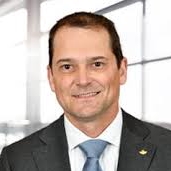
Capt. Jason Ambrosi, head of pilots' union ALPA, joins *ATW* Editor-in-Chief Karen Walker to discuss air traffic modernization, safety and more.
Jason AmbrosiGuestKaren WalkerHostJason, first, uh, you joined Delta, I believe, just a few months before the 9/11 terrorist attacks, and of course, that brought down four US airliners, and this September we'll see the 25th anniversary of that terrible day.
Can we just start, please, can you tell us your, you know, a b- a bit, your memories of that day and how you feel that the airline industry, or the airlines in particular, have changed in that time?

Well, uh, I was fortunate enough to get hired, and, uh, the, you know, airlines have tended to have a, have had a tendency over time to be boom and bust in cycles, right? So there was the boom cycle of the late '90s, um, when I got hired at, uh, at Delta in early 2000, so about 18 months before 9/11, and, you know, everything was pointed up.

Uh, things were looking up, and then of course, um, uh, we had just signed a new contract.

You're never gonna make everybody happy, right? But, uh, relatively happy, and then obviously the tragic events of, of 9/11.

And, um, uh, I was, uh, in the Atlanta airport getting ready to leave and fly to, uh, somewhere, and obviously everything started with delays.

Delays, delays, delays, and then cancellations, and the airspace is shut down, and trying to figure out what's happening.


You know, obviously it was, "What just happened? How are we gonna recover? What are we gonna do?" There was, um, you know, obviously there was a couple, three days of no flying right after that.

I flew on the first day that, uh, you know, airlines were operating again after that.

Um, it was a tough time for, for pilots and flight attendants, all of us, especially ones on the road, because it was really hard to, you know, get in communication with the company.

"What are, what are we going to do? What's our schedule gonna look like? How do we get home?" So there was a lot of uncertainty.

I was fortunate enough that, you know, I could get in my car and go back to... because I lived in Atlanta at the time.

But, uh, yeah, I flew that first, that first day when, when service resumed, and, and you knew the industry was gonna take a hit because I think, um...

I was a 727, uh, first officer at the time, and I think that we had, like, 16 people in the airplane on the first leg, and, like, nine people on the second leg, and it was, it was a tough couple days flying there, and you knew it was bad news was coming, and, uh, it was horrible after that.

I was one of the pilots that got furloughed in the second wave of furloughs at Delta.

So, you know, in the, in the aftermath, it's now we can look back and say the industry's much stronger.
Jason, first, uh, you joined Delta, I believe, just a few months before the 9/11 terrorist attacks, and of course, that brought down four US airliners, and this September we'll see the 25th anniversary of that terrible day.
Can we just start, please, can you tell us your, you know, a b- a bit, your memories of that day and how you feel that the airline industry, or the airlines in particular, have changed in that time?

Well, uh, I was fortunate enough to get hired, and, uh, the, you know, airlines have tended to have a, have had a tendency over time to be boom and bust in cycles, right? So there was the boom cycle of the late '90s, um, when I got hired at, uh, at Delta in early 2000, so about 18 months before 9/11, and, you know, everything was pointed up.

Uh, things were looking up, and then of course, um, uh, we had just signed a new contract.

You're never gonna make everybody happy, right? But, uh, relatively happy, and then obviously the tragic events of, of 9/11.

And, um, uh, I was, uh, in the Atlanta airport getting ready to leave and fly to, uh, somewhere, and obviously everything started with delays.

Delays, delays, delays, and then cancellations, and the airspace is shut down, and trying to figure out what's happening.


You know, obviously it was, "What just happened? How are we gonna recover? What are we gonna do?" There was, um, you know, obviously there was a couple, three days of no flying right after that.

I flew on the first day that, uh, you know, airlines were operating again after that.

Um, it was a tough time for, for pilots and flight attendants, all of us, especially ones on the road, because it was really hard to, you know, get in communication with the company.

"What are, what are we going to do? What's our schedule gonna look like? How do we get home?" So there was a lot of uncertainty.

I was fortunate enough that, you know, I could get in my car and go back to... because I lived in Atlanta at the time.

But, uh, yeah, I flew that first, that first day when, when service resumed, and, and you knew the industry was gonna take a hit because I think, um...

I was a 727, uh, first officer at the time, and I think that we had, like, 16 people in the airplane on the first leg, and, like, nine people on the second leg, and it was, it was a tough couple days flying there, and you knew it was bad news was coming, and, uh, it was horrible after that.

I was one of the pilots that got furloughed in the second wave of furloughs at Delta.

So, you know, in the, in the aftermath, it's now we can look back and say the industry's much stronger.
The rest of this transcript — segmented and speaker-labeled, so you land on the exact moment something was said
Search every transcript — by keyword, by phrase, or by meaning, across every show Radar indexes
Trends — what is surging across podcasts, measured against its own baseline
Alerts — when a name you follow appears in a newly indexed episode
No account is needed to search Radar.