We use cookies to understand how you use our platform and to improve your experience. Click “Accept All” to consent, or “Decline non-essential” to opt out of non-essential cookies. Read our Privacy Policy.
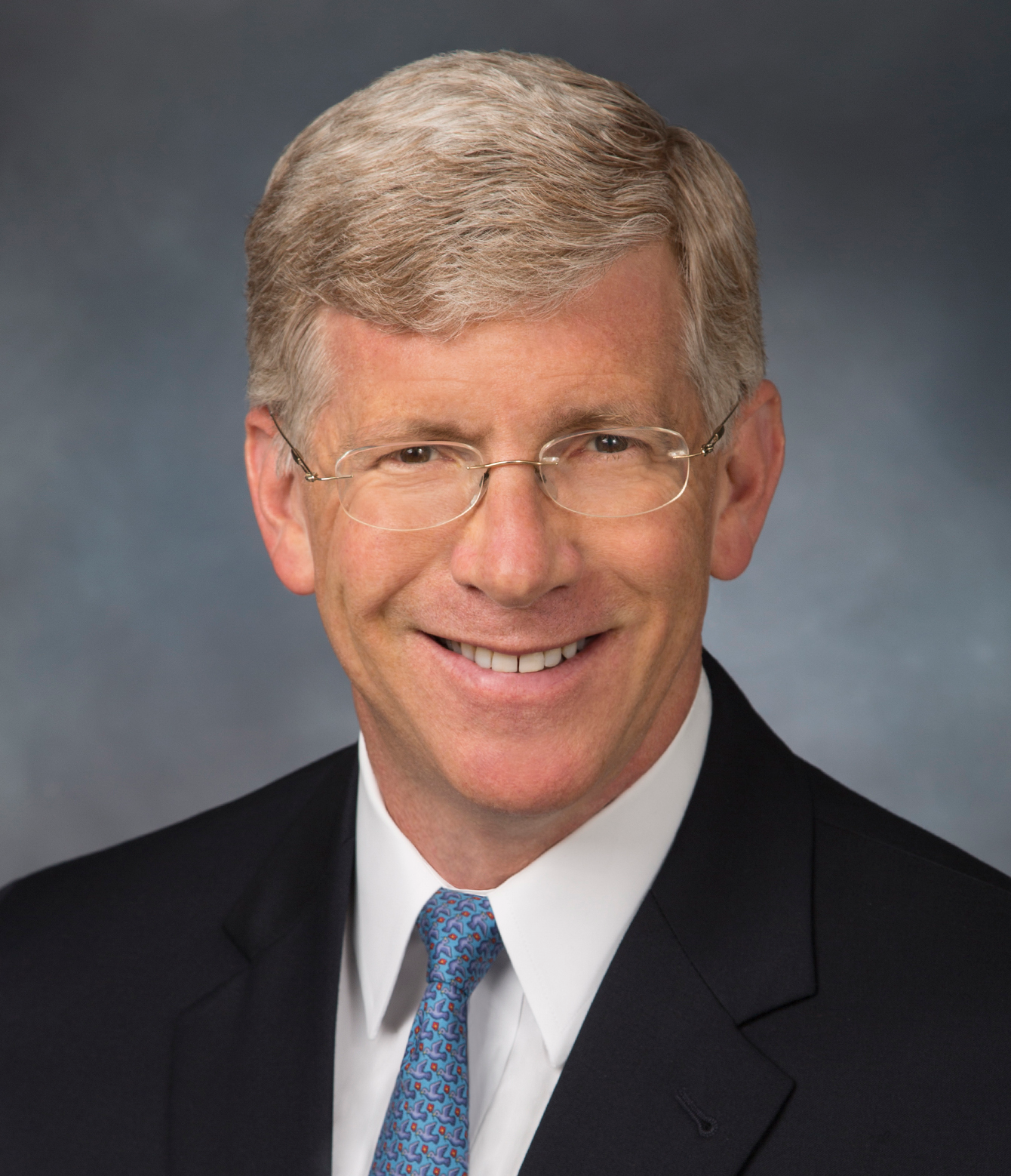
A Conversation with Dr. Stephen Streiffer, Director of the Oak Ridge National Laboratory
Apr 9, 2026 · 48 min · 13 segments
In this episode of Atomically Speaking, NENSC Co-Chair Daniel Poneman sits down with Dr. Stephen Streiffer to discuss the legacy of the Manhattan Project and how it continues to shape the Oak Ridge…
In this episode of Atomically Speaking, NENSC Co-Chair Daniel Poneman sits down with Dr. Stephen Streiffer to discuss the legacy of the Manhattan Project and how it continues to shape the Oak Ridge National Laboratory’s mission today. Dr. Streiffer walks through the history of uranium enrichment and the technologies used over the years, from the gaseous diffusion process and electromagnetic separation to laser isotope separation technologies now being studied for potential commercial energy applications. He also discusses Oak Ridge National Laboratory’s current priorities and the role it plays in supporting the May 2025 White House Executive Orders aimed at r...
In this episode of Atomically Speaking, NENSC Co-Chair Daniel Poneman sits down with Dr. Stephen Streiffer to discuss the legacy of the Manhattan Project and how it continues to shape the Oak Ridge…
It really worked well together to both create the nuclear deterrent as we know it today, but also lay the foundations for the peaceful use of nuclear energy, something that's becoming increasingly important as we just need more electrons on the grid.
So going back to the Manhattan Project, what is now the Y-12National Nuclear Security Administration site and other parts of what are referred to as the Oak Ridge Reservation were deeply involved in producing uranium, enriching uranium for the weapons that were used during the war.
This came from the calutrons that were pioneered by Lawrence at the University of California, as well as other technologies, including gaseous separation at the K-25 site, which has now been cleaned up and re-industrialized.
where both of those are essential for the world now in being able to supply the power that we need for not just the United States, but the rest of society.
Well, it simplifies things a lot, but when people ask me what uranium enrichment is, I ask them if they saw Oppenheimer and if they remembered the little marbles going into the glass bowl.
But can you say a word, Stephen, about how did we land on, which is a pretty complicated and energy-intensive process, the gaseous diffusion process versus the electromagnetic separation? And I honestly don't recall exactly when people started looking at centrifuges.
So during the Manhattan Project, what ended up happening is at the Oak Ridge Reservation site that we just talked about, the government established different efforts to pursue at that point in time, effectively, all of the separation technologies that were known.
And this included, as you've referred to it, electromagnetic separation, where we use magnetic fields to very carefully select isotopes of slightly different mass with a very high resolution.

 Stephen StreifferGuest
 Dan PonemanHost