Sep 26, 2026 · 1 hr 8 min · 9 segments
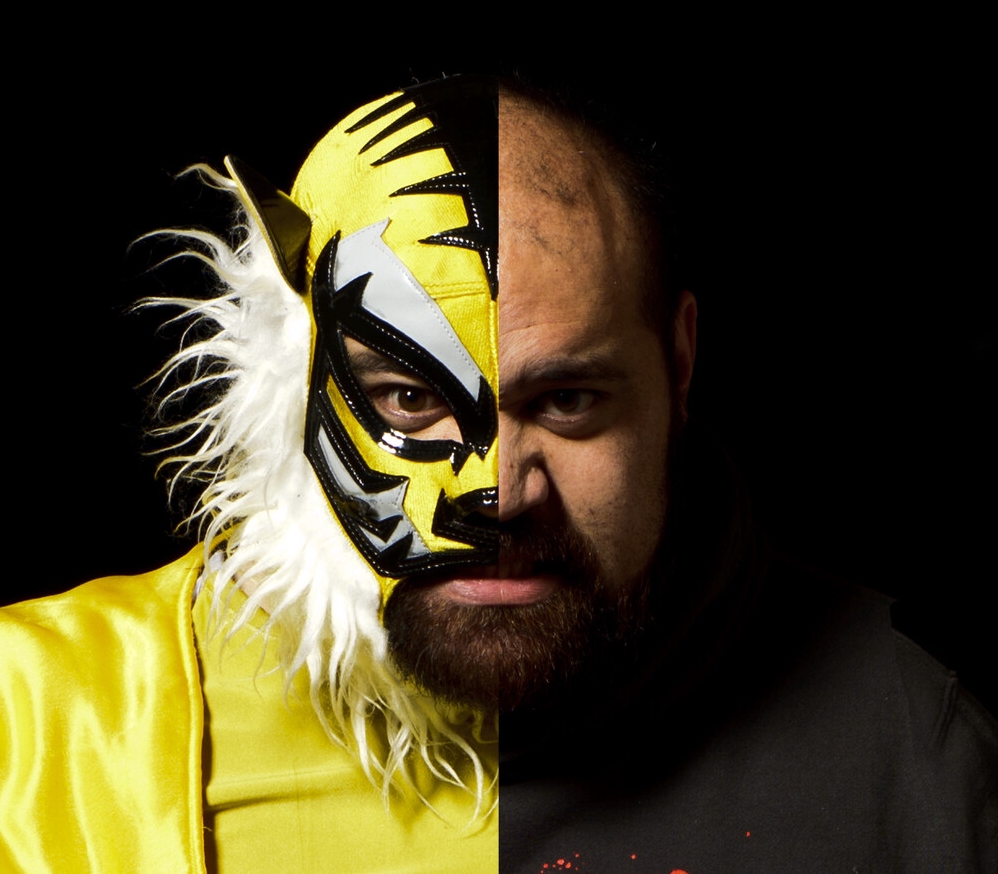
1/200 chats with the Green's Māngere candidate Michel Mulipola. We discuss the challenges facing the electorate, the cost of living and the importance of politicians being a voice for their community…
Michel MulipolaGuestKyleHostDashHostYeah, Kia ora.
Thank you for that.
I really appreciate that community push.
Thank you.
Thank you to your community for pushing you forward.
Because it does...
You're talking about the way in which successive governments have underserved Mangere.
As well as a range of...
Are there areas which you'd say are like... are worse off socioeconomically, right? This is, you know, it's kind of the New Zealand way, especially since the 80s.
But in particular, with Mangere and with some of those other South Auckland electorates, it has felt in the last decade or so that they've been taken for granted, particularly by Labour, who, you know, it's always talked about as a red stronghold, Labour stronghold, the churches and through other community organisations like that, Greens have really struggled to build a community and to build a network out that way.
And it hasn't felt like it's mirrored the way that the community is changing and the newer generations coming through.
have you seen like on the ground and kind of what are the voices from your community who you're asking you to do this um around the way that they interact with politics and with the parliamentary system because those are kind of two different things right um and especially with i'm just going to say the way that labor has treated some of these electorates which have just voted for them forever um It must feel so disheartening.

Like, you know, ever since Māori Day was created as an electorate for general elections, it's always been Labour.

And, you know, we had the absolutely amazing David Lange, you know, as our MP, but also Prime Minister.

And Lange did so much amazing work in the community as a lawyer, as an MP, that a lot of that kind of goodwill has carried on for decades.

like they've taken it for granted they've become complacent and that complacency doesn't serve the community like they just kind of they don't have to push hard um and so like my candidacy for the green party is like i'm i know i'm not gonna win and i'm not trying to win but what i'm trying to do is disrupt the politics of maangere a little to start the conversation create the shift and have more of my people understanding that you don't have to vote for labor just because that's what has always been right you vote for the future you want to see and and so i think the low voter rates in in Maangere in South Auckland is reflective of that kind of Labour stronghold where a lot of my people in the community are just like, why bother? Like we've always voted Labour and we've never really kind of gotten our lives improved, improving in the ways that we want.

And Labour's like, oh, we didn't have to worry about those electorates because they're always going to vote for us.

And so, yeah, for me, it's about rattling the cage, you know, lighting a fire up their ass, you know, really kind of making them work for it because my people deserve that, right? And so a lot of the work I'm doing in this community isn't just Māngere, it's South Auckland in general.

because, you know, it's the same issues here in Māori, they're also the same issues in Otahuhu, Papatoetoe, Otara, Manukau, you know, Manurewa, Papakura.

all of these places are still feeling the brunt of these decisions and what sucks is that disenfranchisement of my community and not wanting to vote further hurts my people because regardless of whether they vote or not they're still going to suffer the impacts the harmful impacts of these decisions that are going to be made for them with if they don't vote and so it's like if my people realize the power they have in their votes they can change the way their lives can be for the better
you know
Yeah, Kia ora.
Thank you for that.
I really appreciate that community push.
Thank you.
Thank you to your community for pushing you forward.
Because it does...
You're talking about the way in which successive governments have underserved Mangere.
As well as a range of...
Are there areas which you'd say are like... are worse off socioeconomically, right? This is, you know, it's kind of the New Zealand way, especially since the 80s.
But in particular, with Mangere and with some of those other South Auckland electorates, it has felt in the last decade or so that they've been taken for granted, particularly by Labour, who, you know, it's always talked about as a red stronghold, Labour stronghold, the churches and through other community organisations like that, Greens have really struggled to build a community and to build a network out that way.
And it hasn't felt like it's mirrored the way that the community is changing and the newer generations coming through.
have you seen like on the ground and kind of what are the voices from your community who you're asking you to do this um around the way that they interact with politics and with the parliamentary system because those are kind of two different things right um and especially with i'm just going to say the way that labor has treated some of these electorates which have just voted for them forever um It must feel so disheartening.

Like, you know, ever since Māori Day was created as an electorate for general elections, it's always been Labour.

And, you know, we had the absolutely amazing David Lange, you know, as our MP, but also Prime Minister.

And Lange did so much amazing work in the community as a lawyer, as an MP, that a lot of that kind of goodwill has carried on for decades.

like they've taken it for granted they've become complacent and that complacency doesn't serve the community like they just kind of they don't have to push hard um and so like my candidacy for the green party is like i'm i know i'm not gonna win and i'm not trying to win but what i'm trying to do is disrupt the politics of maangere a little to start the conversation create the shift and have more of my people understanding that you don't have to vote for labor just because that's what has always been right you vote for the future you want to see and and so i think the low voter rates in in Maangere in South Auckland is reflective of that kind of Labour stronghold where a lot of my people in the community are just like, why bother? Like we've always voted Labour and we've never really kind of gotten our lives improved, improving in the ways that we want.

And Labour's like, oh, we didn't have to worry about those electorates because they're always going to vote for us.

And so, yeah, for me, it's about rattling the cage, you know, lighting a fire up their ass, you know, really kind of making them work for it because my people deserve that, right? And so a lot of the work I'm doing in this community isn't just Māngere, it's South Auckland in general.

because, you know, it's the same issues here in Māori, they're also the same issues in Otahuhu, Papatoetoe, Otara, Manukau, you know, Manurewa, Papakura.

all of these places are still feeling the brunt of these decisions and what sucks is that disenfranchisement of my community and not wanting to vote further hurts my people because regardless of whether they vote or not they're still going to suffer the impacts the harmful impacts of these decisions that are going to be made for them with if they don't vote and so it's like if my people realize the power they have in their votes they can change the way their lives can be for the better
you know
The rest of this transcript — segmented and speaker-labeled, so you land on the exact moment something was said
Search every transcript — by keyword, by phrase, or by meaning, across every show Radar indexes
Trends — what is surging across podcasts, measured against its own baseline
Alerts — when a name you follow appears in a newly indexed episode
No account is needed to search Radar.