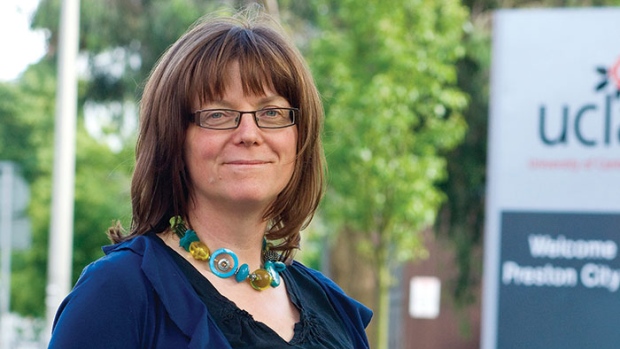
Soo Downe
Midwife
3
APPEARANCES
3
PODCASTS
Aug 19, 2026


Jezid MirandaGUEST
This is a big concept, I know, but I think it's where we are heading now in our definition.

Soo DowneGUEST
And I think this notion of citing the woman and her family in her life experience, and possibly even the life experience of her own parents, because people inherit things through the family, inherit knowledge and knowledge.
Soo DowneGUEST
expectations through the family as well, don't they? And also, I think people sometimes think that trauma-informed care is about birth trauma.
Soo DowneGUEST
But of course, many people come to pregnancy, labour and birth with adverse childhood experiences, things that have happened in their past that aren't directly related to maternity care necessarily, but which get triggered potentially by what happens to them during their maternity episode.
Soo DowneGUEST
And I would also add, and I think you meant this anyway, Jazee, but I would also add that in the UK at the moment, we have a lot of emphasis on so-called listening to women.
15 MINS LATER


Megan RossiterHOST
So I suppose my question is, with the rising intervention rate that we are seeing, is it, is it working? Is the still birth rate coming down? Is maternal death rate coming down? Are we seeing the improvements that these changes have set out with the intent of improving? If that makes sense.
Soo DowneGUEST
Um, and some of that is because of a rise in maternal suicide in the postnatal period.
Soo DowneGUEST
And that raises questions about the fact that if you focus so much on the intrapartum period, which is where a lot of the focus is, and you don't recognize the fact that in the postpartum period, women need support, and they need midwifery care, and they need other kinds of care, um, then, then we drop the ball.
20 MINS LATER

Sheena ByromGUEST
Um, and I think it's, I don't know whether you want to talk about, uh, about the, Sue, about the Northern Ireland review and the, the Wales that have used the same methodology, which has been doing what, exactly what you're saying in their reviews, Sue.


Judith JohnsonHOST
From your perspective, Sue, how have you seen midwives managing the demands of clinical practice alongside trying to get research careers going?
Soo DowneGUEST
Also, just as an example, we have a network of midwife practitioners who are interested in research in the Northwest.
Soo DowneGUEST
And some of the work we've done in the past has been starting with audits, so service audits across the patch and publishing some of the results of those audits.
Soo DowneGUEST
So building the capacity of people within their job and getting them publications so they've got something on their portfolio so they can then go and apply for, because sometimes to apply for these awards, you have to have a starting point.
Soo DowneGUEST
So it's providing a space where they can do that as part of their job, as part of a group, and then gradually build it up.
Soo DowneGUEST
Sometimes it's through master's programmes, so working with master's students, midwives who want to do master's and they do that part-time, and then working with them to make sure their dissertation is publishable so that, again, they get that in terms of building their portfolio.
Judith JohnsonHOST
Is there anything that we could stop expecting midwives to do that would help them to further a research career or get started or make the space? It's up to Meg or me.