May 26, 2026 · 42 min · 11 segments
In 1960, when 17 African nations declared independence from colonial rule, the United Nations reinvented itself. Today, Africa and parts of Asia are home to the largest generation of young people in…
Jasmin BaoumyHost
Martin KimaniGuest
Mark Malloch BrownHost
Saru DuckworthGuest
Joe StudwellGuestKal RaustialaGuest
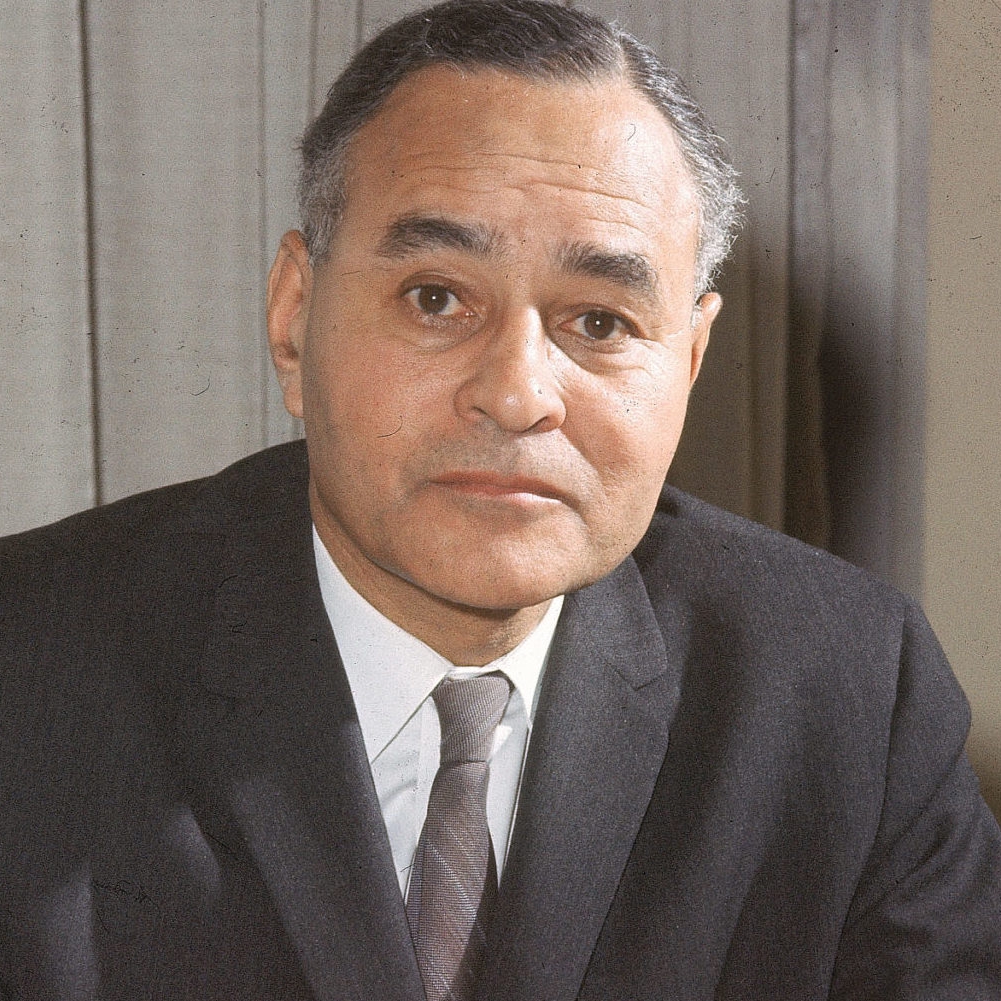
He's a professor of law at UCLA, and he's the author of The Absolutely Indispensable Man: Ralph Bunche, the United Nations, and the Fight to End Empire.
Ralph Bunche was a really key figure in the United Nations throughout its formation.
He's there for that independence day, along with a lot of other luminaries, including Martin Luther King and Richard Nixon.
We know we are going to have difficult beginnings.
But again, I'm relying upon your support.
I'm relying upon your hard work.
The process of decolonization was something that he had studied as a graduate student and as a professor at Howard.
When he joins the UN, and then when you get to the late '50s, the period you're asking about, Africa continues to be something he's very, very interested in, especially as a Black man.
That's a particular kind of personal interest, but it was his real academic expertise.

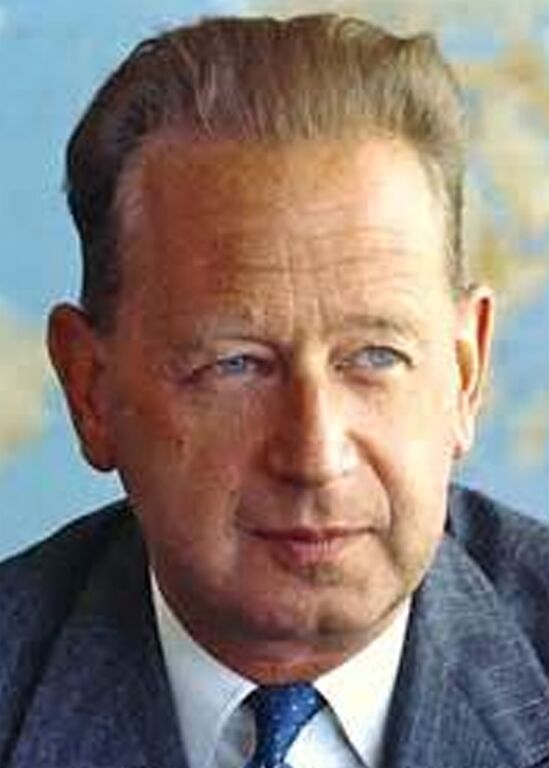
Bunche is the UN's undersecretary for special political affairs, so basically Secretary General Dag Hammarskjold's number two.
He recognizes, as many people did, that there was a wave of decolonization about to occur, and he dubs that the Year of Africa, and that's a phrase that sticks.

Roughly a month after he makes his prediction, Bunche is invited to appear on a talk show.
And I think the episode is actually titled something like Revolution in Haste? with a question mark.
But with no lines on it, so it's just kind of this amorphous shape, all illustrating this idea of what's happening to this continent.

And that's when the former first lady asks her guest a question that in some ways will shape the future of the United Nations.
May I just say a word-

He's a professor of law at UCLA, and he's the author of The Absolutely Indispensable Man: Ralph Bunche, the United Nations, and the Fight to End Empire.
Ralph Bunche was a really key figure in the United Nations throughout its formation.
He's there for that independence day, along with a lot of other luminaries, including Martin Luther King and Richard Nixon.
We know we are going to have difficult beginnings.
But again, I'm relying upon your support.
I'm relying upon your hard work.
The process of decolonization was something that he had studied as a graduate student and as a professor at Howard.
When he joins the UN, and then when you get to the late '50s, the period you're asking about, Africa continues to be something he's very, very interested in, especially as a Black man.
That's a particular kind of personal interest, but it was his real academic expertise.

Bunche is the UN's undersecretary for special political affairs, so basically Secretary General Dag Hammarskjold's number two.
He recognizes, as many people did, that there was a wave of decolonization about to occur, and he dubs that the Year of Africa, and that's a phrase that sticks.

Roughly a month after he makes his prediction, Bunche is invited to appear on a talk show.
And I think the episode is actually titled something like Revolution in Haste? with a question mark.
But with no lines on it, so it's just kind of this amorphous shape, all illustrating this idea of what's happening to this continent.

And that's when the former first lady asks her guest a question that in some ways will shape the future of the United Nations.
May I just say a word-
The rest of this transcript — segmented and speaker-labeled, so you land on the exact moment something was said
Search every transcript — by keyword, by phrase, or by meaning, across every show Radar indexes
Trends — what is surging across podcasts, measured against its own baseline
Alerts — when a name you follow appears in a newly indexed episode
No account is needed to search Radar.