Sep 15, 2026 · 36 min · 8 segments
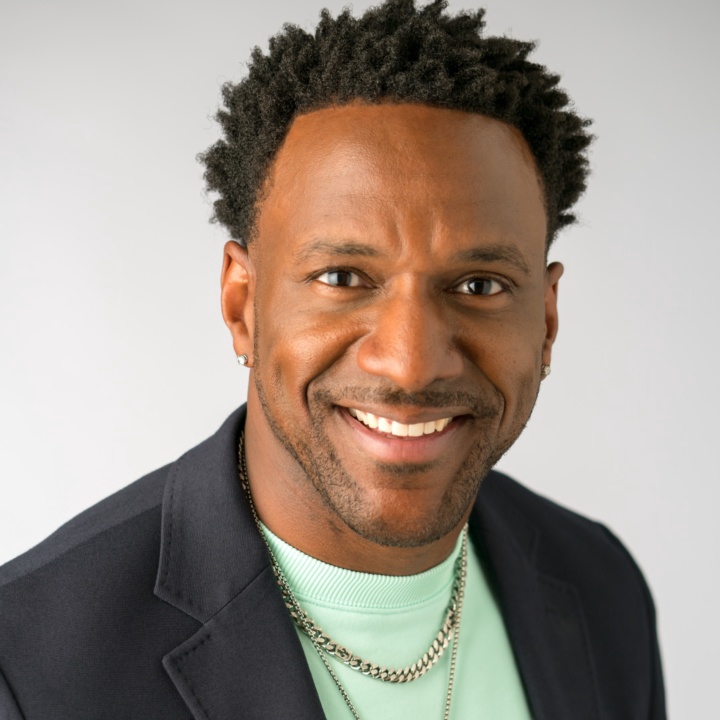
In this episode of The WiLD Conversation Podcast, hosts Dr. Rob McKenna and Sabeth sit down with former NFL Seattle Seahawk Jordan Babineaux. The discussion explores metacognition, how our thoughts…
Jordan BabineauxGuest
Sabeth KapahuHostSo it's fascinating because back to my original thought about this thinking and, and behavior connection, is that a lot of people would assume that at the level, the highest level of expertise in any professional sport, or any profession by the way, but let's take, take sports as a, as an example we can run with, is that there's an assumption that it is all about- ... raw talent at that level.
And then it's funny because when I watch post-game interviews with any team member, right? And you hear them talk about, "How did you do this?" A lot of the talk is about, sometimes it's about preparation, but a lot of it's about thinking.
When you think about competing at that level and that relationship between talent, if we could call talent kind of the ability to behave into the role, like to do the job, and mindset, like what it is you actually think about yourself, your belief and your trust in yourself, where would you put your money? Like, if you, in that bet when you're observing other players, where would you say is the best bet?

When I see others who have a great skill set but are underperforming, for me, I think the key factor is, one, self-belief or their mindset.

In thinking about why someone wouldn't be operating at the level of which their talent intersects has to be a mindset.

Hard work beats talent every day of the week when talent doesn't work hard, right?

And so I think the mindset of, "What do I think of myself? Am I valid in believing that this is even attainable for me? Do I deserve to have this level of success, this level of happiness?" Which is limited thinking.

And if we're, if we're, if we're limiting our thinking or our belief to even acknowledge what's possible for us, we won't take action.

It's the reason why you see people who aren't as talented have more success than people who are.
You're making me think about a lot of people in the trust measurement space, most of them are focused on behaviors, which is important, the idea that if I do certain kinds of behaviors, I'm now trustworthy.
And certainly the research would support that's true, that behavior does matter.
But the question is: How much does mindset play a role in what those behaviors are? We've spent most of our time on the underlying factors within the person when we do work with individuals on, on helping them understand if I don't know what I'm good at...
Like you just described a lot of self-awareness regarding you as a football player about what you brought uniquely was your understanding of the 11 or the 22 players is unique, right? The way you would even watch tape and the way all that would occur would be different.
And so what Wild Leaders has spent a lot of its time on is working on the individual.
So it's fascinating because back to my original thought about this thinking and, and behavior connection, is that a lot of people would assume that at the level, the highest level of expertise in any professional sport, or any profession by the way, but let's take, take sports as a, as an example we can run with, is that there's an assumption that it is all about- ... raw talent at that level.
And then it's funny because when I watch post-game interviews with any team member, right? And you hear them talk about, "How did you do this?" A lot of the talk is about, sometimes it's about preparation, but a lot of it's about thinking.
When you think about competing at that level and that relationship between talent, if we could call talent kind of the ability to behave into the role, like to do the job, and mindset, like what it is you actually think about yourself, your belief and your trust in yourself, where would you put your money? Like, if you, in that bet when you're observing other players, where would you say is the best bet?

When I see others who have a great skill set but are underperforming, for me, I think the key factor is, one, self-belief or their mindset.

In thinking about why someone wouldn't be operating at the level of which their talent intersects has to be a mindset.

Hard work beats talent every day of the week when talent doesn't work hard, right?

And so I think the mindset of, "What do I think of myself? Am I valid in believing that this is even attainable for me? Do I deserve to have this level of success, this level of happiness?" Which is limited thinking.

And if we're, if we're, if we're limiting our thinking or our belief to even acknowledge what's possible for us, we won't take action.

It's the reason why you see people who aren't as talented have more success than people who are.
You're making me think about a lot of people in the trust measurement space, most of them are focused on behaviors, which is important, the idea that if I do certain kinds of behaviors, I'm now trustworthy.
And certainly the research would support that's true, that behavior does matter.
But the question is: How much does mindset play a role in what those behaviors are? We've spent most of our time on the underlying factors within the person when we do work with individuals on, on helping them understand if I don't know what I'm good at...
Like you just described a lot of self-awareness regarding you as a football player about what you brought uniquely was your understanding of the 11 or the 22 players is unique, right? The way you would even watch tape and the way all that would occur would be different.
And so what Wild Leaders has spent a lot of its time on is working on the individual.
The rest of this transcript — segmented and speaker-labeled, so you land on the exact moment something was said
Search every transcript — by keyword, by phrase, or by meaning, across every show Radar indexes
Trends — what is surging across podcasts, measured against its own baseline
Alerts — when a name you follow appears in a newly indexed episode
No account is needed to search Radar.