Where What If Becomes What's Next
The Shape of Everyday Life: How Carnegie Mellon Revolutionized Industrial Design
May 13, 2026 · 39 min · 20 segments
What if the objects around you weren't just built, but carefully designed to shape how you live? In this episode, we trace the origins of industrial design from Pittsburgh's factory floors to the…
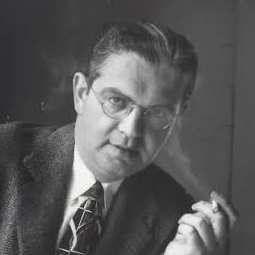
What if the objects around you weren't just built, but carefully designed to shape how you live? In this episode, we trace the origins of industrial design from Pittsburgh's factory floors to the iconic products defining modern life — and explore how Carnegie Mellon University – and its faculty and alumni – have been at the center of it all. In 1934, Carnegie Tech launched the first degree-granting program in industrial design in the United States — sparked by a student petition. That revolutionary curriculum, grounded in real manufacturing visits and human-centered thinking, would shape generations of designers and transform everyday objects from clunky contraptions into intuitive, beautiful tools. We're joined by Rachel Delphia, curator at the Carnegie Museum of Art and CMU alum, who walks us through the program's beginnings, the remarkable legacy of silversmith-turned-designer and CMU professor Peter Muller-Munk, the story of Maude Bowers — the program's very first graduate — and the design thinking behind icons such as the revolutionary cordless Black & Decker Dustbuster, also created by a CMU alum. Then, CMU alum and founder of Bould Design, Fred Bould, joins to discuss how CMU's design philosophy shaped his work on the Nest Thermostat and dozens of other products ranging from the GoPro Camera to a wearable breast pump to a humane chicken coop. He also shares his vision for where AI and sustainability are taking the field over the next decade. Good design, it turns out, doesn't just make things look better — it makes life work better for the consumer – and for humanity. Subscribe now on Apple Podcasts, Spotify, or wherever you get your podcasts. For more, info visit: cmu.edu/whatsnextpodcast. **Explore more** - Silver to Steel: The Modern Designs of Peter Muller-Munk - Bould Design - The Normandie Water Pitcher - The Nest Thermostat Origin Story - WWIBWN Episode #4
What if the objects around you weren't just built, but carefully designed to shape how you live? In this episode, we trace the origins of industrial design from Pittsburgh's factory floors to the…