S4 Ep.14 - Before Venice: Peggy Guggenheim in London - a chat with Gražina Subelytė
Aug 6, 2026 · 42 min · 13 segments
Before Peggy Guggenheim became one of the most influential collectors of modern art—and before Palazzo Venier dei Leoni became her Venetian home and museum—she opened a small but remarkably ambitious…
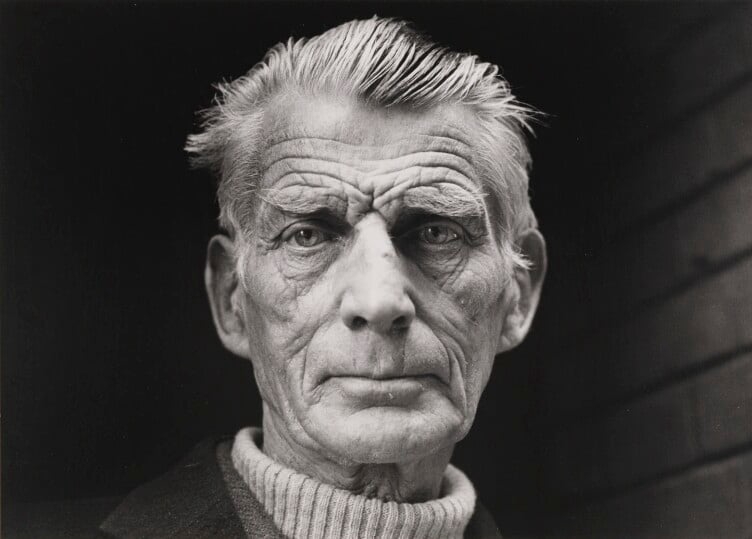
Before Peggy Guggenheim became one of the most influential collectors of modern art—and before Palazzo Venier dei Leoni became her Venetian home and museum—she opened a small but remarkably ambitious gallery in London. In this episode of **Venice Talks**, Monica Cesarato speaks with **Gražina Subelytė**, curator at the Peggy Guggenheim Collection in Venice, about the exhibition *Peggy Guggenheim in London: The Making of a Collector*. The exhibition explores the crucial years of 1938 and 1939, when Peggy founded **Guggenheim Jeune**, her first London gallery. During its brief eighteen-month existence, the gallery presented more than twenty exhibitions, promoted abstraction and Surrealism, introduced London audiences to major European artists and helped Peggy develop the vision that would eventually shape her celebrated collection. Gražina guides us through this formative period, revealing a Peggy Guggenheim who was still learning, experimenting and finding her place in the international art world. We discuss the artists, advisers and friendships that influenced her, the radical exhibitions she organised and the archival discoveries that offer a more complex understanding of her development as a collector. The conversation also explores the role of women artists within Guggenheim Jeune, the gallery’s controversial contemporary sculpture exhibition and the first signs of Peggy’s dream of creating a museum of modern art. Presented inside Palazzo Venier dei Leoni, the exhibition allows visitors to look back at the moment when Peggy’s extraordinary story was only beginning—and to understand how her London years laid the foundations for the collection we know in Venice today. ### Key Notes from This Episode - Gražina Subelytė’s journey into art history and curatorial work - Peggy Guggenheim’s life before she became a legendary collector - The opening of Guggenheim Jeune in London in 1938 - How Marcel Duchamp, Samuel Beckett and Mary Reynolds influenced Peggy’s artistic education - The gallery’s extraordinary programme of more than twenty exhibitions in eighteen months - Kandinsky’s first solo exhibition in London - Peggy’s support for abstraction, Surrealism and experimental contemporary art - The role of women artists - The controversial contemporary sculpture exhibition - Letters, photographs and archival documents that reveal a more personal side of Peggy - The origins of Peggy’s ambition to establish a museum of modern art - How the London years anticipated the collection now housed in Venice 🎧 Listen to the full episode of **Venice Talks** and discover the story of Peggy Guggenheim before Venice—when a small London gallery became the starting point for one of the most important collections of modern art in the world. Follow **Venice Talks** on your favourite podcast platform so you never miss a new conversation about the people, history, art and culture shaping Venice. Follow Monica Cesarato and Venice Talks for new episodes, behind-the-scenes stories and more voices from the lagoon. 🎧 **Listen now on Spotify, Apple Podcasts, or wherever you tune in.** ✨ Credits: Hosted by Monica Cesarato Produced by Monica Cesarato, Sentire Media Guest: Gražina Subelytė curator at Peggy Guggenheim Collection If you love hearing the voices of Venice, subscribe and leave a review — it helps others discover these stories too. 💌 Want to share your own Venice? Send me a short audio clip (1 minutes max) telling me what you loved most about the city — at info@monicacesarato.com.
Before Peggy Guggenheim became one of the most influential collectors of modern art—and before Palazzo Venier dei Leoni became her Venetian home and museum—she opened a small but remarkably ambitious…