Aug 15, 2026 · 50 min · 9 segments
Analyis and comedic take on the 1951 thriller, Strangers on a Train directed by Alfred Hitchcock. The movie centers around the random meeting of two strangers in the club car of a train commuting…
Norm DaguerreHost
As a child, your parents warned you not to talk to strangers, but adults seldom follow that advice, as is the case of the 12th podcast of Theirs Hitch, Strangers on a Train.

After the box office disappointments from Under Capricorn and Stage Fright, or Episode 106, Strangers was considered a comeback for Hitchcock in the suspense category.

The movie deals with the theme of duality in men, which was famously explored in The Strange Case of Dr. Jekyll and Mr. Hyde by Robert Louis Stevenson.

In that novel, the morally gray whims were kept in check by Dr. Jekyll, but were enjoyed vicariously when acted out by Mr. Hyde.

The evil persona of Mr. Hyde grew so strong it totally eclipsed the persona of Dr. Jekyll.

Strangers' duality, however, involves two separate individuals, one which refuses to cross the moral line to murder, and for the other, where morality is not a factor.
Very good, Norman.

Farley Granger went from a psychotic intellectual villain in Rope to the moral hero in Strangers, and the villain played by Robert Walker has a deadly blend of charm and sociopathic tendencies.

The Hitchcock cameo is one of the more humorous and comes quickly, so stay vigilant.

The setup for the movie and several other key scenes take place on a commuter train running between New York City, the Forest Hills tennis courts, and Washington, D.C. in the capital area, where the primary characters live and work, with a key whistle stop in between at Metcalf, where the climax takes place.

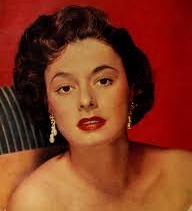
The opening credit shows our hero, Farley Granger, the ingenue, Ruth Roman, and our creepy villain, Robert Walker.

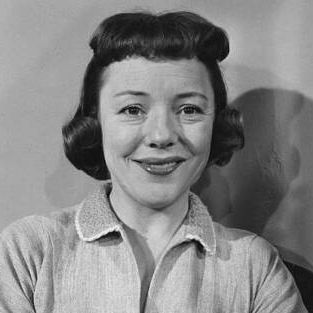
The second screen shows the supporting players, Leo G. Carroll, Patricia Hitchcock, Hitch's daughter, and Laura Elliott, a.k.a. Casey Rogers, for the Bewitched fans.

After a screen with six supporting players was a screen dedicated to writing credits and featured Raymond Chandler as the scriptwriter.

Chandler wrote hard-nosed mystery novels, many featuring P.I. Philip Marlowe, with titles such as The Big Sleep, The Long Goodbye, and Double Indemnity, all of which were made into film noir classics.

You would have thought this would have been a match made in heaven, but Hitchcock and Chandler butted heads on plot devices in dialogue, and Chandler quit before completing the assignment.

Finally, after the tech credits and the music credits, The Master Gets His Due with directed by Alfred Hitchcock.
Read the full transcript.
Create an account to read the whole episode, search across every transcript, and follow the shows you care about.

As a child, your parents warned you not to talk to strangers, but adults seldom follow that advice, as is the case of the 12th podcast of Theirs Hitch, Strangers on a Train.

After the box office disappointments from Under Capricorn and Stage Fright, or Episode 106, Strangers was considered a comeback for Hitchcock in the suspense category.

The movie deals with the theme of duality in men, which was famously explored in The Strange Case of Dr. Jekyll and Mr. Hyde by Robert Louis Stevenson.

In that novel, the morally gray whims were kept in check by Dr. Jekyll, but were enjoyed vicariously when acted out by Mr. Hyde.

The evil persona of Mr. Hyde grew so strong it totally eclipsed the persona of Dr. Jekyll.

Strangers' duality, however, involves two separate individuals, one which refuses to cross the moral line to murder, and for the other, where morality is not a factor.
Very good, Norman.

Farley Granger went from a psychotic intellectual villain in Rope to the moral hero in Strangers, and the villain played by Robert Walker has a deadly blend of charm and sociopathic tendencies.

The Hitchcock cameo is one of the more humorous and comes quickly, so stay vigilant.

The setup for the movie and several other key scenes take place on a commuter train running between New York City, the Forest Hills tennis courts, and Washington, D.C. in the capital area, where the primary characters live and work, with a key whistle stop in between at Metcalf, where the climax takes place.

The opening credit shows our hero, Farley Granger, the ingenue, Ruth Roman, and our creepy villain, Robert Walker.

The second screen shows the supporting players, Leo G. Carroll, Patricia Hitchcock, Hitch's daughter, and Laura Elliott, a.k.a. Casey Rogers, for the Bewitched fans.

After a screen with six supporting players was a screen dedicated to writing credits and featured Raymond Chandler as the scriptwriter.

Chandler wrote hard-nosed mystery novels, many featuring P.I. Philip Marlowe, with titles such as The Big Sleep, The Long Goodbye, and Double Indemnity, all of which were made into film noir classics.

You would have thought this would have been a match made in heaven, but Hitchcock and Chandler butted heads on plot devices in dialogue, and Chandler quit before completing the assignment.

Finally, after the tech credits and the music credits, The Master Gets His Due with directed by Alfred Hitchcock.