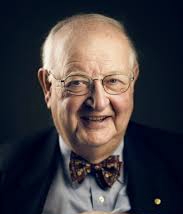
S11 Ep1: Social policy solutions to the UK’s inequality crisis with Helen Miller and Sir Richard Blundell
Jul 14, 2026 · 37 min · 11 segments
The UK is experiencing a crisis of inequality: core tenets like our education and UK healthcare system are geographically unequal and suffering, but what are the expert social policy solutions to…
The UK is experiencing a crisis of inequality: core tenets like our education and UK healthcare system are geographically unequal and suffering, but what are the expert social policy solutions to these issues, and can we dare to be optimistic for the future? In this episode of the We Society with Will Hutton, join Institute for Fiscal Studies Director **Helen Miller** and economist **Sir Richard Blundell** who talk us through the findings of one of the most comprehensive studies ever undertaken on inequality in the UK called the Deaton Review. This was a major six year review of inequalities in the UK, chaired by Nobel Prize-winning economist Sir Angus Deaton, and funded by the **Nuffield Foundation**. Drawing on research from economics, sociology, public health, philosophy and political science, the Review argues that Britain's inequalities extend far beyond income alone and presents a framework for how social policy makers should address their response. But what can be done about it? Helen, Sir Richard and podcast host Will Hutton come together to discuss the evidence and the potential solutions in local government funding and long-term social policy. Professor Sir Richard Blundell is a Co-Director of the ESRC Centre for the Microeconomic Analysis of Public Policy (CPP) and a Senior Research Fellow at the Institute for Fiscal Studies. Helen Miller is the Director of Institute for Fiscal Studies, the UK's leading independent economics research institute. Find out more about the IFS Deaton Review here: https://ifs.org.uk/inequality This episode is ideal for listeners interested in topical issues, social policy, UK healthcare, inequality and **l**ocal government funding solutions. In the We Society, join acclaimed journalist and Academy of Social Sciences president Will Hutton, as he invites guests from the world of social science to explore the stories behind the news and hear their solutions to society’s most pressing problems. In this series social science calls on aspects of business, education, economics, geopolitics, healthcare, human geography and more, exploring their impact on society and the social policy they can inspire. The We Society is for those interested in how social science impacts their world, and how evidence backed research can improve it. Don’t want to miss an episode? Follow the show on your favourite podcast platform and you can email us on wesociety@acss.org.uk and tell us who we should be speaking to. *The We Society* podcast is brought to you by the *Academy of Social Sciences* in association with the *Nuffield Foundation* and the *Leverhulme Trust*. Producer: Emily Uchida Finch Assistant Producer: Emily Gilbert A Whistledown Production for the Academy of Social Sciences
The UK is experiencing a crisis of inequality: core tenets like our education and UK healthcare system are geographically unequal and suffering, but what are the expert social policy solutions to…