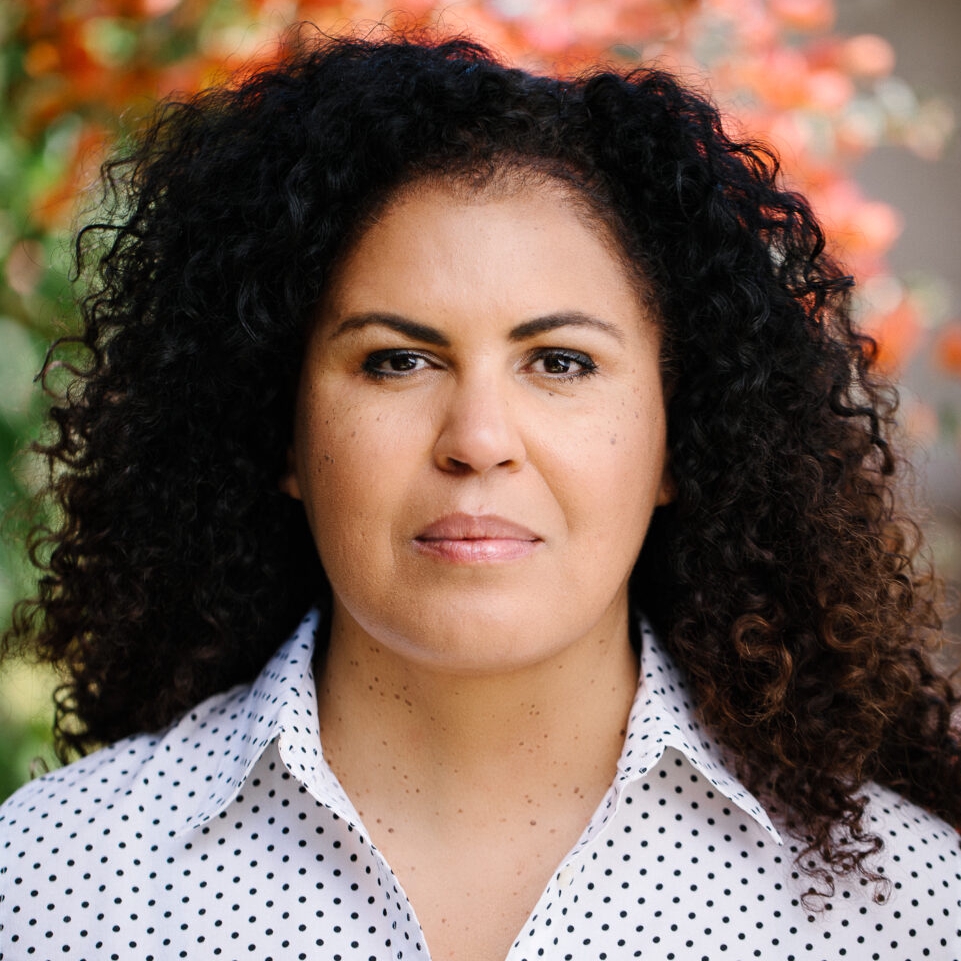
Algorithmic Justice with Rebekah Tweed
Jul 16, 2026 · 41 min · 9 segments
**What does it really mean for AI governance to be more than just buzzwords—and how do we build systems that are worthy of our trust?** This week on the Tech Humanist Show, we get candid with…
**What does it really mean for AI governance to be more than just buzzwords—and how do we build systems that are worthy of our trust?** This week on the Tech Humanist Show, we get candid with responsible AI expert and Algorithmic Justice League advisor, Rebekah Tweed. Together, we explore the not-so-glamorous (but oh-so-crucial) world of AI governance—think less “theater,” more real talk on trust, transparency, and protecting our privacy. **Topics covered:** The evolution of responsible AI as a corporate function Balancing safety and privacy in AI applications Algorithmic harms in everyday life (hiring, healthcare, security) Why harm in AI is more than just a technical bug Organizational trust and accountability in AI governance Practical evidence of responsible AI practices The importance of transparency, literacy, and public trust Building AI governance that is operational—not just performative Roles for government and open source in shaping responsible AI What gives hope for the future of AI and public infrastructure **Connect with Rebekah Tweed** Website LinkedIn AI Governance Course on LinkedIn Learning **Episode Chapters:** 00:04 Introduction to the Tech Humanist Show 00:17 Responsible AI Becomes an Organizational Norm 01:29 Rebekah Tweed’s Journey from Music Industry to AI Governance 03:36 AI’s Impact on the Creative Arts and Early Influences 04:57 The Rise of AI Governance Teams and Job Roles 06:12 Building Responsible Tech Career Development 07:38 What Responsible AI Means in Human Terms 09:36 Algorithmic Harms in Ordinary Life and Public Response 15:38 When AI Harm is a Deeper Systems Problem 18:57 How to Build Genuine, Non-Theatrical AI Governance 25:16 Evidence That AI Governance Is Real 29:12 Cultural Weirdness, Systems Strangeness, and Literacy 35:13 Speed, Trust, and What Leaders Need to Know 37:42 What Gives Hope for a Responsible AI Future 40:22 Outro and Credits
**What does it really mean for AI governance to be more than just buzzwords—and how do we build systems that are worthy of our trust?** This week on the Tech Humanist Show, we get candid with…
- Show signals
- SuitabilitySafeBiasNot politicalAudience≈11k followers