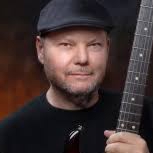
Amy Fass: Building and Scaling Your Nonprofit
May 28, 2026 · 40 min · 13 segments
Learn what it really takes to scale a focused nonprofit, build long-term corporate partnerships, and play the long game in fundraising without losing sight of the people you serve. **Key…
Learn what it really takes to scale a focused nonprofit, build long-term corporate partnerships, and play the long game in fundraising without losing sight of the people you serve. **Key Takeaways:** - A narrow, concrete focus, like providing brand-name shoes, can dramatically amplify a nonprofit’s clarity, impact, and support. - Strong corporate partnerships grow slowly from shared values, deep listening, and customized collaboration, not one-size-fits-all pitches. - How support is delivered matters as much as what’s delivered; respect and flexibility turn shoes into symbols of dignity and belonging. - Individual donors and family foundations are the stability engine, while corporate and sports partners mainly boost visibility and reach. - Shifting from “these kids” to “our kids” reinforces shared responsibility and reminds us that every child is worthy of investment. ***"How we give them shoes is as important as the shoes we give."*** ***“Our program is about the kids. I say, you know, we're really not about shoes, we're about the kids.”*** ***“It's not a matter of making donors into heroes. I don't like that language. It's thinking, it's just being grateful for what they've done, and letting them know this is what you've allowed to happen.”** - Amy Fass* Amy Fass is the leader behind Shoes That Fit, a national nonprofit that provides new athletic shoes to children experiencing homelessness and low-income circumstances across all 50 states. Under her leadership, the organization has grown from a small operation into a nationwide nonprofit that has delivered more than one million pairs of sneakers to kids in need. An Amazon best-selling author and advocate for children affected by poverty, Amy speaks on scaling nonprofits, building strong corporate partnerships, and creating sustainable impact. She’s known for bringing a Fortune 500 leadership mindset to the nonprofit world, helping organizations grow, adapt in times of crisis, and give children the confidence and opportunity that can start with something as simple as a new pair of shoes. **Reach out to Amy Fass at:** Website: https://www.shoesthatfit.org/ LinkedIn: https://www.linkedin.com/company/shoes-that-fit/ Facebook: https://www.facebook.com/ShoesThatFitNonProfit **Let’s Work Together to Amplify Your Leadership + Influence** 1\. Group Coaching for Nonprofit Leaders Want to lead with more clarity, confidence, and influence? My group coaching program is designed for nonprofit leaders who are ready to communicate more powerfully, navigate challenges with ease, and move their organizations forward. 2\. Team Coaching + Training I work hands-on with nonprofit teams to strengthen leadership, improve communication, and align around a shared vision. Whether you’re growing fast or feeling stuck, we’ll create more clarity, collaboration, and momentum—together. 3\. Board Retreats + Trainings Your board has big potential. I’ll help you unlock it. My engaging, no-fluff retreats and trainings are built to energize your board, refocus on what matters, and generate real results. **Get your free starter kit today at** www.theinfluentialnonprofit.com **Connect with Maryanne about her coaching programs:** https://www.courageouscommunication.com/connect **Book Maryanne to speak at your conference:** https://www.courageouscommunication.com/nonprofit-keynote-speaker
Learn what it really takes to scale a focused nonprofit, build long-term corporate partnerships, and play the long game in fundraising without losing sight of the people you serve. **Key…