The Gravity Well with Jenny Yeremiy
FREAK OUT for a Cause
Oct 7, 2026 · 58 min · 12 segments
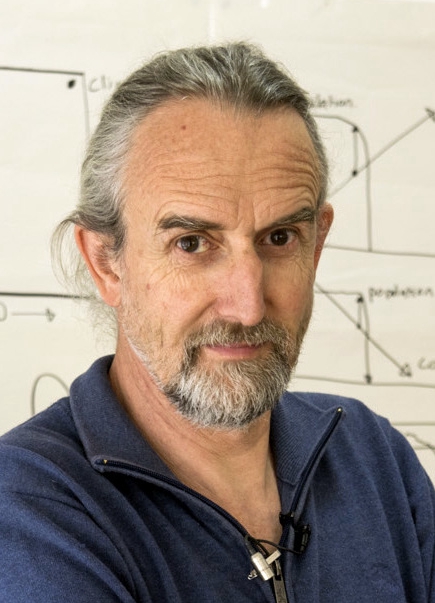
Roger Hallam argues that Brexit (separatism) was not fundamentally about EU membership but stemmed from a deeper crisis of political disconnection, where ordinary people felt ignored by the political…
Roger Hallam argues that Brexit (separatism) was not fundamentally about EU membership but stemmed from a deeper crisis of political disconnection, where ordinary people felt ignored by the political class for generations. He contends that materialist left politics fails to account for human needs for recognition and meaning, which is why people support measures that harm them economically and ecologically. The solution he proposes involves active listening through door-to-door engagement and community assemblies where people speak and feel heard, which research shows can shift participants toward more progressive views over time. Hallam identifies emotional communication and community-building as critical to successful mobilization, criticizing left movements for being dominated by urban intellectuals who fail to connect with working-class populations. He emphasizes practical campaign techniques: brief speeches, small group breakout discussions, structured commitments for volunteer labor, and social activities to sustain engagement, noting that Extinction Rebellion was built without traditional Q&A formats. He cites Larry Kramer’s AIDS activism as exemplifying how **emotional, dramatic public expression** can rapidly transform movements. Hallam warns that without fundamental change, civilization faces catastrophic collapse, with climate tipping points threatening up to four billion deaths. He advocates for legally binding citizens’ assemblies as genuine democratic alternatives to current political systems, and promotes the “**Four Billion**” international project launching July 3rd, 2027 to mobilize mass public action across Western capitals, combining climate, economic, and social justice movements into coordinated campaigns. Connectivity is a reflection of the urgency. I lost connection with Roger after his closing remark. Join him, myself and the rest of the Revolution in the 21st Century community on October 21, 2026 at noon MT | 2 pm ET to get involved where you live: About Roger Roger Hallam is a well-known rebel and someone with first-hand experience of civil resistance, and was ranked as the 34th most influential person shaping Britain’s progressive politics by The New Statesman, 2023. He researched the dynamics of mass mobilizations at King's College for five years and has been at the forefront of climate campaigning for many years. He is the co-founder of Extinction Rebellion, probably the world’s most high-profile climate crisis movement. His actions are grounded in a belief that peaceful public disruption is effective and justified in the face of social collapse as the crisis escalates. Roger has been involved in many acts of civil disobedience, leading to over thirty arrests and four periods of imprisonment. Roger is also the author of “Common Sense For The 21st Century: Only Nonviolent Rebellion Can Now Stop Climate Breakdown And Social Collapse”. Roger researched the dynamics of mass mobilizations at King's College and has been at the forefront of climate campaigning for years. He’s a co-founder of Extinction Rebellion and his actions are built on a belief that nonviolent disruption is effective and justified in the face of social collapse.Roger Hallam researched the dynamics of mass mobilizations at King's College for five years and has been at the forefront of climate campaigning for many years, including co-founding the Extinction Rebellion, Insulate Britain and Just Stop Oil. Roger’s acts of civil disobedience have led to over thirty arrests and four periods of imprisonment. Learn more: \* https://rev21.earth/ \* https://rogerhallam.com/ Get full access to The Gravity Well with Jenny Yeremiy at www.thegravitywell.net/subscribe
Roger Hallam argues that Brexit (separatism) was not fundamentally about EU membership but stemmed from a deeper crisis of political disconnection, where ordinary people felt ignored by the political…