The Building Resilient Kids Podcast
Ian Prior – Former Professional Rugby Player on Coaching Kids for Confidence, Connection and Resilience (Part 2)
Oct 1, 2026 · 1 hr 8 min · 15 segments
“Make Yourself Irrelevant: Ian Prior on Coaching Teens to Think, Perform and Lead for Themselves” At some point, junior sport changes. The scoreboard starts to matter. Selection becomes more…
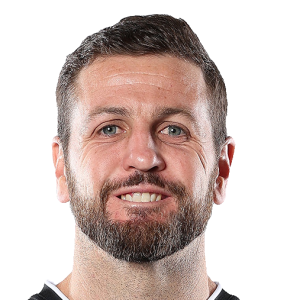
“Make Yourself Irrelevant: Ian Prior on Coaching Teens to Think, Perform and Lead for Themselves” At some point, junior sport changes. The scoreboard starts to matter. Selection becomes more competitive. Training becomes more structured. Some kids simply want to keep playing with their mates, while others begin wondering whether sport could take them somewhere much further. So how should our coaching change with them? In Part Two of this *Building Resilient Kids* conversation, host Tim Curtis sits down again with former professional rugby player Ian Prior to explore the transition from participation-focused junior sport into the more competitive teenage years. And Ian introduces a powerful idea: The ultimate job of a good coach is to make themselves irrelevant. Not because the coach doesn't matter. Quite the opposite. A great coach progressively gives young athletes the knowledge, confidence and decision-making ability to solve problems for themselves—because when the game starts, the coach can't make every decision for them. That shift—from instruction to independence—sits at the heart of this episode. Ian explains that as children mature, coaching should move beyond simply teaching *how* to perform a skill. Coaches increasingly need to teach why. Why did that option work? What cues did you notice? What other options were available? What will you do differently next time? Those questions don't just create better athletes. They build mental models for decision-making, adaptability and problem-solving that young people can carry into school, work, relationships and life. But teenage athletes present another challenge: their bodies are changing rapidly. Ian discusses peak height velocity—the period of rapid adolescent growth—and why coaches need to understand that the teenager standing in front of them may temporarily be less coordinated, more susceptible to injury and physically very different from the athlete they were only months earlier. That means managing training load, recovery and skill development intelligently rather than simply assuming that harder training is always better. Ian then offers a practical framework for skill development: Isolated → Controlled → Chaotic. First, practise the skill. Then introduce decision-making. Finally, recreate the unpredictability of competition. It's a simple coaching progression that allows young athletes to build competence before learning to execute under pressure. From there, the conversation moves into one of the most important areas of teenage sport: Pressure. How do we teach young people to handle it? How do we build confidence without creating entitlement? How do we help them win well—and perhaps more importantly, lose well? Ian argues that confidence should be grounded in preparation and repetition rather than simply telling a teenager to “be confident”. Do the work. Build the repetitions. Prepare properly. Then take confidence from knowing you've done what you can—while recognising that the opposition, environment and circumstances still get a vote. Ian also shares the grounding techniques he developed during his professional career. At one point during a game, that could be as simple as picking up a piece of grass and feeling it between his fingers—a tactile cue that brought him back into the present moment. Other athletes use breathing, visual focus or physical grounding. These aren't just tools for professional athletes. They're practical emotional-regulation skills teenagers can use before a game, during competition—or walking into an exam. One of the episode's most practical examples comes from Ian's time captaining the Western Force. After a score—whether his team had scored or conceded—the players would deliberately reset. They would come together. Pause. Breathe. Connect. Receive only a small number of key messages. Then finish with a synchronised clap. That clap became a psychological bookend: What's happened has happened. What's my next job? It's a professional sporting technique with an obvious application for teenage athletes—and an equally powerful lesson for life. Review what happened. Take the lesson. Then move. The same principle applies after losing. Ian argues that coaches should involve athletes in the review: What did you see? What did we do well? Where did we fall short? What do we need to work on? That creates ownership rather than dependence. Once the lesson has been extracted, however, the result needs to be parked and attention returned to the process. The conversation also explores performance anxiety and visualisation. Ian describes how young athletes can mentally rehearse both success and adversity—not pretending everything will go perfectly, but becoming familiar with what they might encounter and developing a response before the pressure arrives. What if I miss? What if I make a mistake? What if I feel anxious? And what will I do next? The feared situation becomes less unfamiliar—and the teenager begins building a toolkit for responding to it. Underneath all of this sits something even more important: A child's performance is not their identity. Win or lose, make the kick or miss it, get selected or dropped—the teenager needs to know that their relationships with the important adults around them don't depend upon the result. As Ian puts it, the outcome shouldn't dictate how we feel about each other. That unconditional support gives young athletes a psychologically safe place from which they can take risks, fail, learn and try again. That also places responsibility on parents. Ian's advice from the sideline is straightforward: Support. Don't interfere. Respect the coach. Help where you can. Don't try to influence selections or tactics. And don't ride every emotional high and low as though your child's sporting performance is your own. When they come home, they need a parent—not another coach. For coaches, Ian recommends setting expectations early. Explain your coaching philosophy. Explain how selection works. Explain what you value. Explain what you expect from athletes and parents—and what they should expect from you. Honest expectations at the beginning of a season can prevent enormous confusion later. And then, progressively, hand the game over to the athletes. Ian recalls learning under Australian rugby great Stephen Larkham, who didn't simply tell players what to do. He helped them understand what *he was seeing* so they could eventually recognise those same situations themselves. Ian also reflects on the All Blacks philosophy of increasingly reducing coach input as game day approached—allowing experienced players to take ownership of training, tactics and ultimately the game itself. Because that's the destination. Not an athlete constantly looking to the sideline for instructions. But a young person capable of thinking: I understand the problem. I have some tools. I can make a decision. And if it doesn't work, I can adjust and try again. That's not just good coaching. That's resilience. Key Themes and Takeaways - How coaching should change as children move into their teenage years. - Why coaching experience should increasingly be supported by knowledge and accreditation. - The difference between being a great athlete and being able to teach athletes. - Why late developers shouldn't be written off. - How playing multiple sports can build a broader athletic skill base. - The danger of turning children's sport into performance too early. - Why intrinsic motivation matters as competition becomes more serious. - Why coaches should teach the why, not simply the how. - How good coaching develops decision-making and problem-solving. - Why a great coach ultimately tries to make themselves irrelevant. - How adolescent growth and peak height velocity affect coordination, injury risk and training. - Why more training isn't automatically better training. - The Isolated → Controlled → Chaotic model for developing skills. - Why training should include opportunities to fail safely. - How asking athletes questions can be more powerful than constantly giving instructions. - Why confidence should come from preparation and repetition. - Learning to win well—and lose well. - Grounding techniques for teenage athletes. - Breathing and emotional regulation under pressure. - How coaches can deliberately create pressure and adversity during training. - Using visualisation to prepare for both success and failure. - Why the result should never determine the quality of the relationship. - How parents can support teenage athletes without becoming another coach. - Why coaches should establish expectations with parents at the beginning of the season. - The value of honest conversations around selection and performance. - How to progressively create self-coaching athletes. - Why mentors become increasingly important during adolescence. - How the wider “village” can support a teenager who wants to pursue an elite pathway. More About Ian Ian Prior is a former professional rugby union player, coach and father who spent 14 years playing professional rugby. His career exposed him to high-performance environments, elite coaches, leadership, selection, pressure, injury, victory and defeat—including captaining the Western Force. But Ian's perspective in this conversation is equally shaped by being a parent and developing coach. He understands what high performance looks like. He also understands that teenage sport needs to accommodate very different motivations. One teenager may simply want to spend time with their mates. Another may genuinely want to become a professional athlete. Good coaching creates an environment where both can develop—combining learning, enjoyment, connection and competitiveness without assuming that every child needs the same destination. Resources and Concepts Mentioned Long-Term Athlete Development Part Two continues the Long-Term Athlete Development discussion from Part One, moving into the teenage years when training, competition and athlete ownership begin to increase. Australian Sports Commission – Win Well Ian discusses Australia's Win Well philosophy and the importance of developing sporting performance in an environment that also considers culture, wellbeing and the development of the person. Isolated → Controlled → Chaotic A practical progression for coaches: Isolated: Practise the skill with limited variables. Controlled: Introduce choices and decision-making. Chaotic: Recreate the uncertainty and pressure of the actual game. The objective isn't merely to perform a skill in practice. It's to recognise when and why to use it when the environment becomes unpredictable. RAMP Warm-Up Ian discusses the RAMP approach to preparing young athletes: Raise – Activate – Mobilise/Move – Potentiate The aim is to progressively prepare the cardiovascular, neuromuscular and movement systems before asking teenagers to perform at intensity. Grounding and Breathing Ian describes using meditation and tactile grounding during his professional career. Tim also references previous *Building Resilient Kids* guest Rachel Vickery and the simple cue: “If in doubt, breathe out.” The broader principle is to give teenagers practical tools they can use to regulate themselves when pressure rises. Visualisation Visualisation can help athletes rehearse performance, anticipate adversity and mentally practise their response before the moment arrives. The goal isn't to imagine that nothing will go wrong. It's to build familiarity with the possibility that something might—and know what you're going to do next. SBI – Situation, Behaviour, Impact Tim introduces SBI as a simple framework for difficult conversations between coaches, athletes and parents: Situation: What happened? Behaviour: What did the athlete do or not do? Impact: What effect did that have? It provides a more objective structure for conversations around performance, behaviour and selection. Mentors Ian closes the episode by reflecting on the value a mentor could have provided earlier in his professional career. Teenagers don't always want advice from Mum and Dad. A trusted coach, former athlete, teacher or other adult can become an important member of the child's village—someone who provides perspective without carrying the emotional weight of the parent-child relationship. Building Resilient Kids https://resilienceshield.com/kids The Resilience Shield https://resilienceshield.com Quote of the Episode “What are we actually trying to do? Trying to make ourselves irrelevant.” — Ian Prior Another Memorable Quote “Preparation plus repetition generally leads to you feeling more confident in the game.” — Ian Prior And One for Every Sporting Parent “Our role is there to support.” — Ian Prior Reflection Challenge This week, whether you're a coach, teacher or parent, notice how often you give a teenager the answer. Then, once or twice, resist the urge. Instead ask: “What are you seeing?” “What do you think your options are?” “What would you do differently?” “What's your next job?” Give them enough guidance to stay safe and moving forward—but enough space to solve the problem themselves. Because eventually the teenager has to step onto the field, into the exam room, into university, into work and ultimately into adult life without us standing on the sideline telling them what to do. The goal isn't to create a young person who always has the right answer. It's to create one who knows how to work out what to do when they don't.
“Make Yourself Irrelevant: Ian Prior on Coaching Teens to Think, Perform and Lead for Themselves” At some point, junior sport changes. The scoreboard starts to matter. Selection becomes more…