The Building Resilient Kids Podcast
Ian Prior – Former Professional Rugby Player on Coaching Kids for Confidence, Connection and Resilience (Part 1)
Sep 24, 2026 · 1 hr 8 min · 11 segments
“Coach the Kid, Not Just the Sport: Ian Prior on Belonging, Effort and Keeping Kids in the Game” Episode Show Notes What makes a great junior coach? Is it technical knowledge? Winning games?…
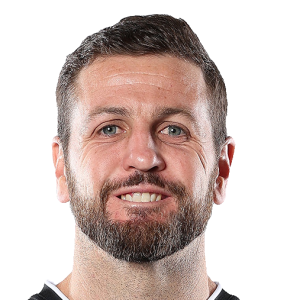
“Coach the Kid, Not Just the Sport: Ian Prior on Belonging, Effort and Keeping Kids in the Game” Episode Show Notes What makes a great junior coach? Is it technical knowledge? Winning games? Developing the most talented players? Or is there something much more important happening every time a child turns up to training? In Part One of this two-part *Building Resilient Kids* conversation, host Tim Curtis sits down with former professional rugby player Ian Prior to explore what good coaching looks like during the crucial childhood and early adolescent years—and why the lessons learned through sport can extend far beyond the field. Ian spent 14 years playing professional rugby, having progressed through elite junior pathways himself. But he is also now a dad and coach, giving him a very different perspective on the sporting environments we create for children. Looking back on his own childhood, Ian remembers parents who were enormously supportive but never forceful. They drove him to training, helped him practise and created opportunities—but the motivation to improve remained his. That distinction becomes one of the central themes of the episode: Support the child. Don't own the child's sporting journey. Ian and Tim explore the role coaches, parents, teachers and instructors play in creating belonging and psychological safety. For Ian, sport provided somewhere he felt at home as a child. It gave him a way to connect with others, communicate and form relationships—regardless of background, ability or social confidence. That makes the role of the junior coach far bigger than teaching someone how to kick, throw or catch. A good coach notices the child who hasn't touched the ball. They learn names. They ask questions. They create opportunities for different ability levels. They recognise effort and teamwork—not simply the kid who scores the most points. Most importantly, they make kids feel seen, heard and valued. Ian identifies three behaviours he believes coaches should deliberately develop and reward: being a good teammate, communicating well and demonstrating work ethic. His philosophy is simple: children can't completely control outcomes, but they can control their effort. The conversation also tackles something central to resilience: losing. Ian wasn't always selected as a junior. He missed representative teams and experienced the disappointment of being close but not quite good enough. Looking back, he believes those early failures may have helped prepare him for the inevitable setbacks of professional sport. Crucially, home remained psychologically safe. There wasn't more love when he won or less love when he lost. His parents were supporters rather than judges—and that gave him somewhere safe to return after disappointment. Tim and Ian then broaden the discussion beyond competitive athletes. What about the kid who doesn't think they're sporty? The child who is there because their friends are? The late bloomer? The kid on the wing who rarely sees the ball? Ian argues that coaches need to understand why each child is there. Some want to compete. Some want to master a skill. Some simply want to belong to the tribe. All of those motivations are legitimate. The goal—particularly when children are young—is to help them discover forms of movement and sport they genuinely enjoy. Because forcing children into a parent's preferred sport may produce participation for a while, but it rarely produces a lifelong love of being active. And the benefits extend well beyond physical fitness. Sport can teach teamwork, communication, empathy, delayed gratification, work ethic and how to recover after failure. It can provide a social bridge for children who struggle to communicate in other environments. And movement itself supports learning, cognition and wellbeing. Tim and Ian also explore free play and risky play—running, jumping, climbing, falling, getting back up and discovering what your body is capable of. These experiences don't just develop physical competence. They give children opportunities to assess risk, make decisions, build confidence and develop resilience. Finally, Ian offers a wonderfully human lesson for coaches themselves. He recounts giving overly harsh feedback to a young player and immediately seeing the player's body language change. Rather than defending himself, Ian later pulled the player aside, apologised, explained what he had been trying to achieve and acknowledged that he could have coached the moment better. It's an important reminder that good coaching doesn't require perfection. It requires relationships, self-awareness and the humility to repair things when we get them wrong. Part One finishes by introducing the Long-Term Athlete Development model (LTAD)—moving children from participation and fundamental movement skills towards learning to train, while recognising that children develop at different rates and have different sporting ambitions. And that sets up Part Two. As kids move into their teenage years, competition becomes more serious, pathways begin to separate and some athletes start asking: How good could I actually become? Key Themes and Takeaways - Why the first job of a junior coach is to create belonging and psychological safety. - The difference between being a supportive parent and driving your child's sporting ambitions. - Why intrinsic motivation matters more than constantly pushing children to train. - Why coaches should make every child feel seen, heard and valued. - How sport creates social connection across different backgrounds and ability levels. - Why good coaches deliberately reward teamwork, communication and work ethic. - Why coaches should praise the behaviours that produced the result—not only the goal, trophy or scoreboard. - The value of allowing children to experience losing, disappointment and non-selection. - Why unconditional parental support provides psychological safety after sporting failure. - Why some of the most valuable sporting experiences happen precisely because a child doesn't win. - The importance of letting kids try different sports before specialising. - Why parents shouldn't attempt to live their own sporting ambitions through their children. - How to engage the child who doesn't consider themselves “sporty”. - Why understanding what motivates each individual child matters. - How sport develops communication, empathy, teamwork, delayed gratification and work ethic. - The relationship between movement, learning, cognition and wellbeing. - Why free play and risky play remain important alongside organised sport. - How the language adults use can either encourage challenge or unintentionally create fear. - Why acknowledging effort after failure helps children learn that coming up short isn't the same as being a failure. - Why coaches need to tailor feedback to the child's age, stage and personality. - The power of coaches admitting when they get something wrong. - Why children are not “mini adults” and shouldn't simply be given adult training environments. - How the Long-Term Athlete Development model can help coaches think about participation, fundamental movement skills, learning to train and eventually more serious competition. - Why the ultimate objective isn't necessarily producing an elite athlete—it's helping create a human who wants to remain active for life. More About Ian Ian Prior is a former professional rugby union player, coach and father who spent 14 years playing professional rugbyafter progressing through Australia's elite junior rugby pathway. Growing up in Australia to Zimbabwean parents, Ian describes sport as one of the places where he most strongly felt that he belonged. Rugby eventually became his profession, but his sporting upbringing extended across cricket, athletics, swimming, cross-country and soccer. Today, Ian brings together the perspective of the former professional athlete, developing coach and sporting parent. That combination makes this conversation particularly valuable. Ian understands elite performance and what it takes to pursue sporting excellence—but he also understands that the vast majority of children who turn up on Saturday morning aren't trying to become professional athletes. Some want to compete. Some want to improve. Some want to be with their mates. And some simply need an adult who makes them feel like they belong. Resources Mentioned Long-Term Athlete Development – LTAD The Long-Term Athlete Development framework provides a useful way of thinking about how children progress from basic movement and participation through skill development, structured training and—in some cases—higher levels of competition. As Ian explains, the early stages should concentrate on movement, participation, connection and fundamental skillsbefore progressively introducing more demanding training and competition. Building Resilient Kids – Tim Curtis Several concepts from *Building Resilient Kids* feature throughout this conversation, including: - effort over outcome - growth mindset - movement and physical activity - social connection - free and risky play - psychological safety - persistence following failure Building Resilient Kids: https://resilienceshield.com/kids The Resilience Shield https://resilienceshield.com Bill Ribbans – The Four S's Tim discusses surgeon and sports scientist Bill Ribbans' Four S's as a useful framework for developing physically capable humans: Strength – Speed – Stamina – Suppleness Rather than focusing purely on sport-specific skills, children benefit from developing broad physical capability—running, jumping, balancing, moving, accelerating, decelerating and controlling their own bodies. Free Play and Risky Play Tim references the importance of allowing children opportunities for unstructured and appropriately risky play—climbing, exploring, creating games and learning what their bodies are capable of—rather than making all movement adult-directed and organised. Quote of the Episode “You can't control the outcome. You can influence the outcome, but you can control the effort.” — Ian Prior Another Memorable Quote “There wasn't more love when I won. There wasn't less love when I lost.” — Ian Prior One More Worth Remembering “They feel seen, they feel heard, they feel validated, and valued as a person.” — Ian Prior Reflection Challenge This week, if you're coaching, teaching, managing—or simply standing on the sideline watching your child—pay attention to what you praise. Is it: “Great goal!” “You won!” “You were the best player!” Or are you also noticing: “I loved how you kept going.” “I saw you include your teammate.” “You worked really hard on that.” “That didn't go your way, but you stayed in the game.” Then ask yourself one question: Am I rewarding the result—or the behaviours that will help this child long after the scoreboard has been forgotten? Because the goal of junior sport isn't simply to build better athletes. It's to build kids who belong, persist, contribute, move confidently—and hopefully still love being active long after their junior sporting days are over. Coming in Part Two In Part Two, Tim and Ian move further up the athlete-development pathway and into the teenage years. What changes when kids begin taking sport seriously? How should coaches balance competition, selection, performance and development? And for the young athlete who genuinely wants to pursue an elite pathway, how do we challenge them without destroying the love of the game that got them there in the first place?
“Coach the Kid, Not Just the Sport: Ian Prior on Belonging, Effort and Keeping Kids in the Game” Episode Show Notes What makes a great junior coach? Is it technical knowledge? Winning games?…