Aug 9, 2026 · 41 min · 12 segments
Bestselling author Meg Mason knows what it's like to be the object of readers' obsessions, but in Sophie, Standing There, she imagines what it's like to be the book-loving fan. Plus, Bobuq Sayed's…
Meg MasonGuest
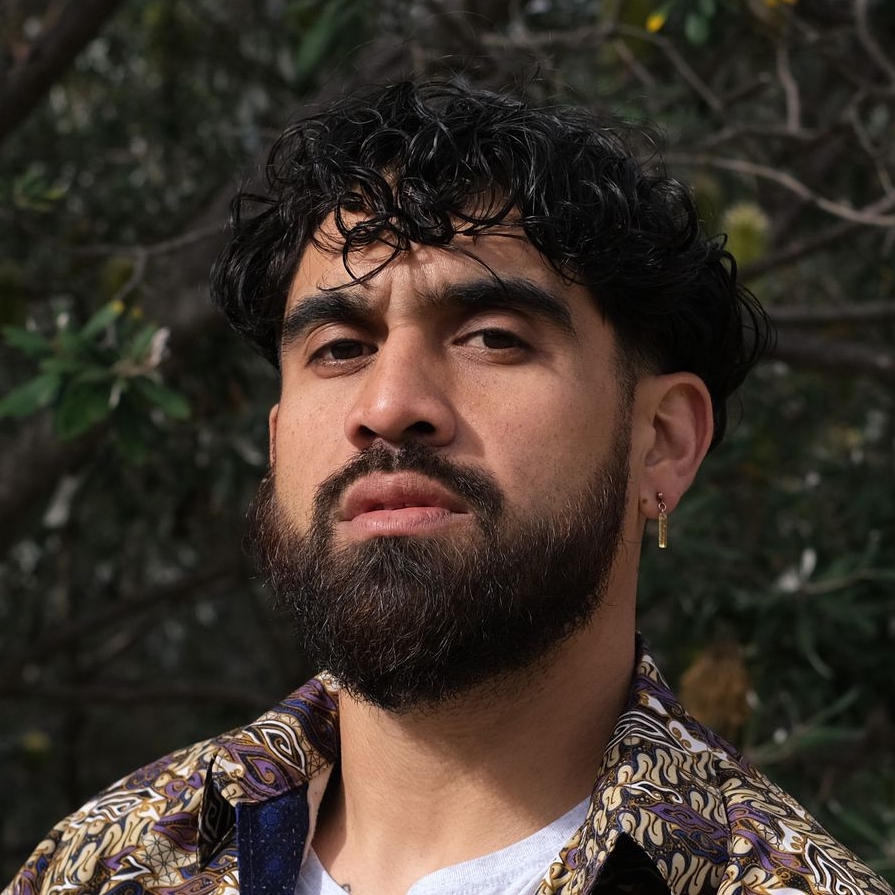
Bobuq SayedGuestClaire NicholsHost
It's such a pleasure to be back here, not least because it means I've actually finally written another book.
Did it feel really hard to write a novel after the juggernaut that was Sorrow and Bliss?

I knew it was going to be hard, and that was partly because everybody kept telling me that it was-

... going to be hard, coupled with um, telling me that it, whatever I wrote next wasn't gonna be nearly as successful, so I didn't even need to worry about it, which was kind of them, and well-intentioned, but you know those things you, you absorb them, and they bec- become really true.

And the landscape had shifted for me by the time I got home from Sorrow and Bliss.

You know, before that, um, I was a journalist, and I sort of wrote novels as a hobby, and then Sorrow and Bliss turned it into my full-time job.

It was a bit like that insane re-entry where you just couldn't really describe to people what had happened, and so you just kind of push it all down deep inside you and don't talk about it.

But when you come back to your desk, it's kind of all there needing to be processed.

And I was so intent on not writing about writers, because that can become very insular and very sort of almost a bit cliquey, that I, I hadn't been consciously collecting material.

So I set out to write a couple of different books all about very different things that I hadn't experienced, and eventually this one sort of just asserted itself as if to say, "You have to write this before you can write anything else." It was almost like a cleansing.

So it is about a woman called Sophie, who I was listening to your lovely introduction, and w- you know when you talk about being fixated-

... or you talk about parasocial relationships, it immediately sounds really creepy.

Like, the character Sophie, you, you go into it not thinking she'll, she must be unhinged, you know.

But I think the whole message of the book around, you know, this one strand that is the parasocial relationship, is that it's so normal, and if you say you haven't done it, you haven't experienced it, you're possibly lying.

Because I think we've all at different times, not just as teenagers, but as adults, kind of come to someone, whether it's an author or someone on social media who's not even necessarily an influencer, just someone you don't know, has come to represent something and someone in your life.

And thinking about it more sort of after I wrote the book, you know, Sophie has experienced this catastrophe in her personal life.

She's a lovely, personable, well-liked, really kind, optimistic person, but this thing has happened to her that means she sort of lost everyone in her life.
The rest of this transcript — segmented and speaker-labeled, so you land on the exact moment something was said
Search every transcript — by keyword, by phrase, or by meaning, across every show Radar indexes
Trends — what is surging across podcasts, measured against its own baseline
Alerts — when a name you follow appears in a newly indexed episode
No account is needed to search Radar.