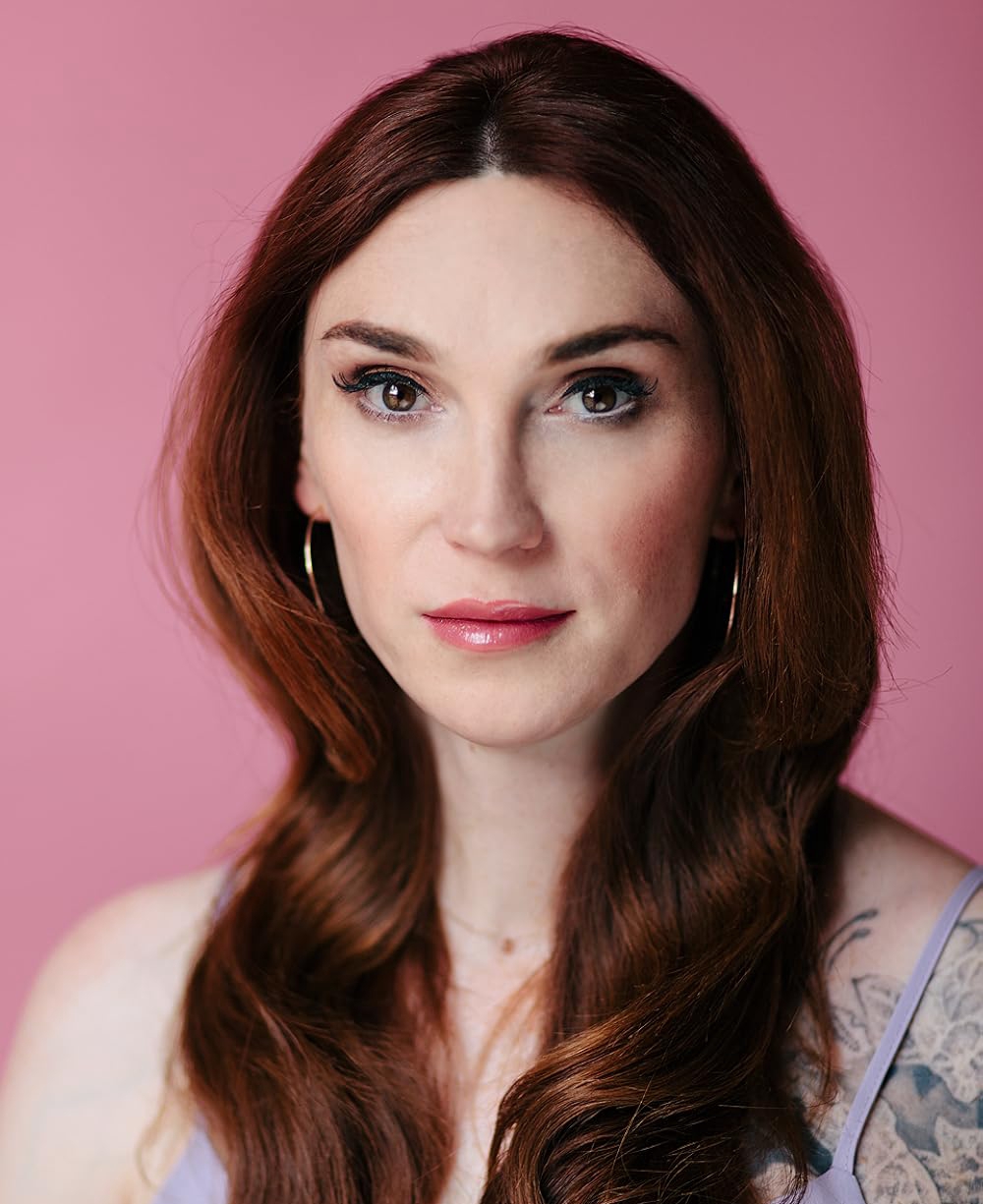
Still Here! Still Queer! Now What?
Oct 7, 2026 · 41 min · 8 segments
Imagine you get to spend time with an Editorial Director in Publishing, and you can ask whatever you like...well, welcome to the episode! Paul is joined by Jane Evans from Jessica Kingsley Publishing…
Paul Taylor-PittHostSo I guess how I'd describe my role for anyone who kind of doesn't know what an editorial director does, there's probably sort of three main components.
there's multiple ways that can happen some of that is me looking out for people who I think might have the potential to write a book or I might have a subject in mind I might have found one of those gaps we spoke about and think we needed an author who could write on that so I might go and approach people um but we also have open submissions at JKP so I'll be reviewing proposals that come in to us via that way um and then also sometimes I'll have agents approaching as well um who will share proposals with me that I'll review.
We'll get authors' manuscripts in and have the joy of reading that, often being one of the first set of eyes on it, thinking about ways we can improve it, make it the best book it can possibly be.
And then I'd say the third component is really overseeing the whole process from those early stages through to kind of liaising with our production department who do an amazing job at making the book a final product and liaising with the sales and marketing teams as well.
So yeah, my week can look like sometimes really head down, reading a manuscript, sometimes in meetings, having calls with authors, having calls with other members of the team.
chatting about the direction of the list more generally um and finding ways within that as well to make sure that we're kind of constantly connecting with our audiences whether that's you know going to events or just speaking to our authors and asking them like how they're finding things at the moment and you know if there's any topics that they think we should be covering
And, you know, I read quite a lot of fiction for fun, which feels very different to the nonfiction that I'll be doing at work.
So that's really nice to have that kind of distinction between what I do at work and the reading I do for pleasure as well.

So, you know, I always wonder about when someone makes their hobby or their passion into their job, it hasn't taken the joy away from you.
And I do think the distinction helps me with that, with the non-fiction at work and fiction at home.
So I guess how I'd describe my role for anyone who kind of doesn't know what an editorial director does, there's probably sort of three main components.
there's multiple ways that can happen some of that is me looking out for people who I think might have the potential to write a book or I might have a subject in mind I might have found one of those gaps we spoke about and think we needed an author who could write on that so I might go and approach people um but we also have open submissions at JKP so I'll be reviewing proposals that come in to us via that way um and then also sometimes I'll have agents approaching as well um who will share proposals with me that I'll review.
We'll get authors' manuscripts in and have the joy of reading that, often being one of the first set of eyes on it, thinking about ways we can improve it, make it the best book it can possibly be.
And then I'd say the third component is really overseeing the whole process from those early stages through to kind of liaising with our production department who do an amazing job at making the book a final product and liaising with the sales and marketing teams as well.
So yeah, my week can look like sometimes really head down, reading a manuscript, sometimes in meetings, having calls with authors, having calls with other members of the team.
chatting about the direction of the list more generally um and finding ways within that as well to make sure that we're kind of constantly connecting with our audiences whether that's you know going to events or just speaking to our authors and asking them like how they're finding things at the moment and you know if there's any topics that they think we should be covering
And, you know, I read quite a lot of fiction for fun, which feels very different to the nonfiction that I'll be doing at work.
So that's really nice to have that kind of distinction between what I do at work and the reading I do for pleasure as well.

So, you know, I always wonder about when someone makes their hobby or their passion into their job, it hasn't taken the joy away from you.
And I do think the distinction helps me with that, with the non-fiction at work and fiction at home.
The rest of this transcript — segmented and speaker-labeled, so you land on the exact moment something was said
Search every transcript — by keyword, by phrase, or by meaning, across every show Radar indexes
Trends — what is surging across podcasts, measured against its own baseline
Alerts — when a name you follow appears in a newly indexed episode
No account is needed to search Radar.