Jul 1, 2026 · 22 min · 9 segments
For years, workers were told they had to choose between good union jobs and a healthy planet. Twenty years ago, the BlueGreen Alliance helped prove that wasn't…
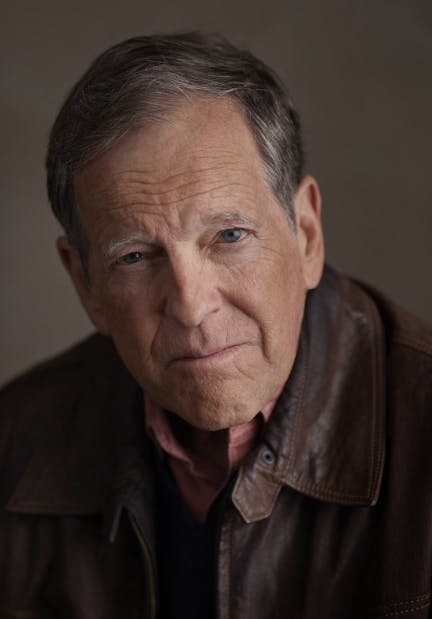
Jason WalshGuestChelsea EngelHostFirst, can I have you just tell me a bit about yourself, particularly how you came to the BGA, what you were doing before and what your role is now?

I've been the ED at BGA since 2019, although I did a first tour back in 2010, 2011 as policy director.

And then for about five years, I had the privilege of serving in the Obama administration, both at the Department of Energy and in the White House as part of the climate and energy team.
So what was the core belief that drove the founding of the BGA? And ultimately, what is the goal?

So the core conviction that drove the founding of the Blue-Green Alliance is really the same conviction that brings and keeps our partners together 20 years later, which is this shared belief that we don't have to choose between good jobs and a clean environment, that we can and must have both.

And there's some history to that belief that's important to mention, right? It was built over the course...

about two decades by unions and environmental groups finding common cause in opposition to the creation of a neoliberal trade regime, right? So North American Free Trade Agreement, when it was first put together, the World Trade Organization, Workers and their unions, steel workers prominent among them, were seeing manufacturing jobs shipped overseas to countries with little to no labor protections.

Environmental organizations, their activists were learning that environmental protections were minimal and often, even if they were on the books, unenforced in those same countries.

And both movements, right, the environmental labor movements shared really a growing sense of injustice.

over the course of those years, based on this shared analysis of a new global trade regime that enriched multinational corporations at the expense of working people on the planet.


I mean, all three of the main actors in the in the founding of the Blue Green Alliance were uh at those seattle protests against the wto together in 1999.

international president uh of the steel workers and carl pope long time executive director of the sierra club very much a study in contrast leo of course is well known to to all steel workers big loud maybe the most profane human being i've ever met in my life dropped the f-bomb probably more than any person i've ever known Carl was quieter, although he talked just as much, small, right? They got this hard rock miner from Sudbury, Ontario, this environmental lawyer from California, and they clicked.

And then the third person was Dave Foster, right, who was running District 11 for the steelworkers, and he became the founding executive director.

So 2006, 20 years ago, steelworkers, Sierra Club, Carl Leo signed a joint resolution forming the Blue Green Alliance based on their sense that if their organizations, their movements could find common ground around trade, there were that there were other issues they could unify around as well.
First, can I have you just tell me a bit about yourself, particularly how you came to the BGA, what you were doing before and what your role is now?

I've been the ED at BGA since 2019, although I did a first tour back in 2010, 2011 as policy director.

And then for about five years, I had the privilege of serving in the Obama administration, both at the Department of Energy and in the White House as part of the climate and energy team.
So what was the core belief that drove the founding of the BGA? And ultimately, what is the goal?

So the core conviction that drove the founding of the Blue-Green Alliance is really the same conviction that brings and keeps our partners together 20 years later, which is this shared belief that we don't have to choose between good jobs and a clean environment, that we can and must have both.

And there's some history to that belief that's important to mention, right? It was built over the course...

about two decades by unions and environmental groups finding common cause in opposition to the creation of a neoliberal trade regime, right? So North American Free Trade Agreement, when it was first put together, the World Trade Organization, Workers and their unions, steel workers prominent among them, were seeing manufacturing jobs shipped overseas to countries with little to no labor protections.

Environmental organizations, their activists were learning that environmental protections were minimal and often, even if they were on the books, unenforced in those same countries.

And both movements, right, the environmental labor movements shared really a growing sense of injustice.

over the course of those years, based on this shared analysis of a new global trade regime that enriched multinational corporations at the expense of working people on the planet.


I mean, all three of the main actors in the in the founding of the Blue Green Alliance were uh at those seattle protests against the wto together in 1999.

international president uh of the steel workers and carl pope long time executive director of the sierra club very much a study in contrast leo of course is well known to to all steel workers big loud maybe the most profane human being i've ever met in my life dropped the f-bomb probably more than any person i've ever known Carl was quieter, although he talked just as much, small, right? They got this hard rock miner from Sudbury, Ontario, this environmental lawyer from California, and they clicked.

And then the third person was Dave Foster, right, who was running District 11 for the steelworkers, and he became the founding executive director.

So 2006, 20 years ago, steelworkers, Sierra Club, Carl Leo signed a joint resolution forming the Blue Green Alliance based on their sense that if their organizations, their movements could find common ground around trade, there were that there were other issues they could unify around as well.
The rest of this transcript — segmented and speaker-labeled, so you land on the exact moment something was said
Search every transcript — by keyword, by phrase, or by meaning, across every show Radar indexes
Trends — what is surging across podcasts, measured against its own baseline
Alerts — when a name you follow appears in a newly indexed episode
No account is needed to search Radar.