Jul 24, 2026 · 18 min · 7 segments
This is a free preview of a paid episode. To hear more, visit www.serioustrouble.show What a reversal of fortune for Andrew…
Ken, Andrew and Tristan Tate were down in Miami, of course, heading to a bare-knuckle boxing match, at which point they were arrested rather unexpectedly, or at least I was not expecting this.
There are more charges against them in the United Kingdom, and they're now being held pending extradition to the UK, which is...
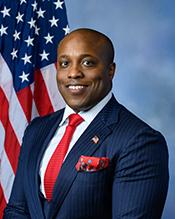
Quite a turn of fortune for the Tate brothers, who were most recently photographed with Congressman Wesley Hunt in his office in Washington, D.C.
There are certain corners of the American right who have been intermittently enthusiastic about these guys, now likely to be shipped off to Britain to face even more rape and sex trafficking charges, and in Andrew's case, also charges related to possession of child sex abuse images.
So it might make sense a little bit to kind of review how like extradition and extradition arrests work.
So we, of course, have an extradition treaty with United Kingdom and requests from either side are governed by that.
So the way it works is that the legal authority in the other country asks their equivalent of the State Department to ask our State Department to ask our courts to extradite the person, to hook them up and send them back.
And so the interesting thing about this politically, given the administration's prior kind of welcoming of the Tates, is that this required the United States government and fairly high up in the government to cooperate with the process and give the green light to asking a court to issue arrest warrants here.
Because it had to go from, you know, the diplomatic authorities of the U.K., to the State Department, to the Office of International Affairs, the Department of Justice, then to the local U.S. Attorney's Office to draft up all the extradition papers for the U.S. courts.
And then generally what happens is they ask for a provisional arrest, meaning the entire extradition package hasn't arrived yet, but it's kind of like the difference between a complaint and an indictment.
And then they hook them up and start the process, and eventually the full paper's Which are literally covered in red ribbons and wax seals and bullshit like that.
You wind up with this very much 18th century-looking package of documents with ribbons and seals and things like that.
And so the judge issued the warrant showing the judge thought that the United Kingdom – showed probable cause in evidence.
And, you know, it would have been declarations and affidavits and things like that.
The rest of this transcript — segmented and speaker-labeled, so you land on the exact moment something was said
Search every transcript — by keyword, by phrase, or by meaning, across every show Radar indexes
Trends — what is surging across podcasts, measured against its own baseline
Alerts — when a name you follow appears in a newly indexed episode
No account is needed to search Radar.