Jun 30, 2026 · 23 min · 10 segments
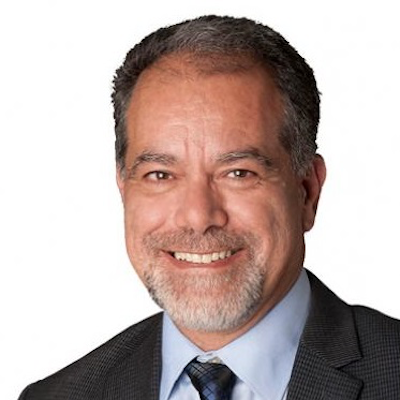
Amin Etemad is the first staff member featured on Scrubcast and a vital contributor to quality improvement (QI) at Stanford Surgery. Amin shares his journey from growing up in a medical family to…
Well, I feel like quality improvement has always been a part of what we do here, but the process became much more organized right around the time when you arrived.
I mean, when I first transitioned into surgery from the SHC, from radiology, there was already a lot of really good quality improvement work happening.
So my colleague Tara Lahijaniri and Dr. Ron Dahlman are the true pioneers of our QI work in surgery.
And so when I came on board in 23, supporting our performance improvement leader, Dr. Joe Forrester, who had just been appointed, it all took shape.
So over time, I guess we've become much more intentional, I would say, about how we structure that work.
So quality improvement in general, Rachel, in Stanford Medicine, including obviously our Department of Surgery, is organized around a set of core operational pillars, things like patient experience and financial strength and wellness and quality, safety, patient equity, and I guess the overall operational performance.
And so each of those has clearly defined goals that we track annually through our ICDP process.
So what it really does here is it creates this alignment with the entire department that includes all these divisions.
So regular reporting, leadership engagement, more transparency with dashboards and how we look at performance across the department, especially at monthly M&Ms where faculty and residents are present.
I would say instead of a collection of individual projects, it's really much more of a coordinated system nowadays.
So less reactive, more proactive, led by our clinical first pilots, I call them, who fly this massive aircraft every fiscal year.
How do you bridge the gap between the data that you're seeing and actually helping clinicians improve?
I love that question because it's really the core of the work, especially with patient experience, where it can easily become very data heavy without actually changing anything.
So what we've done is, you know, we try to make the data very visible and very relevant to our faculty, especially to our division chiefs who play a pivotal role here.
But we use a physician dashboard here that was created by our PAIR team, Patient Experience Team.
The rest of this transcript — segmented and speaker-labeled, so you land on the exact moment something was said
Search every transcript — by keyword, by phrase, or by meaning, across every show Radar indexes
Trends — what is surging across podcasts, measured against its own baseline
Alerts — when a name you follow appears in a newly indexed episode
No account is needed to search Radar.