Season 1 Rewind, Part 2: Home and Memory
Aug 18, 2026 · 26 min · 10 segments
In this special Season One Rewind episode, Lyssia revisits some of the most memorable conversations from Room to Think to explore the connection between home, memory, and identity. Featuring Juhani…
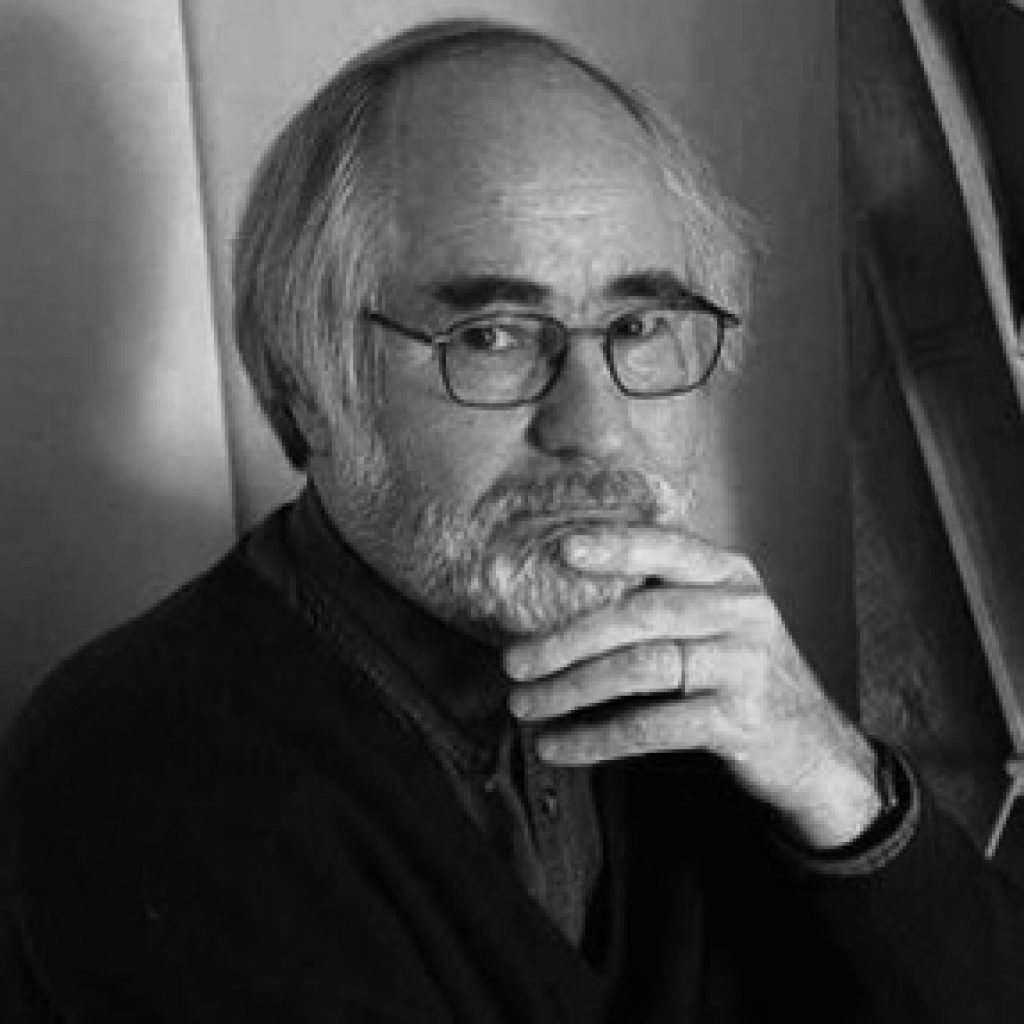
In this special Season One Rewind episode, Lyssia revisits some of the most memorable conversations from Room to Think to explore the connection between home, memory, and identity. Featuring Juhani Pallasmaa, Shavonda Gardner, Amber Dunford, Adam Trest, Miriam Carpenter, Maggie Wilkerson, Emily Campbell, and Dr. Esther Sternberg, this episode looks at why certain places, objects, materials, and rituals stay with us long after childhood—and how they continue shaping the homes we create as adults. Juhani Pallasmaa reflects on the childhood experiences that shaped his philosophy of architecture and why home exists not only physically, but through memory, imagination, and feeling. He shares the powerful memory of seeing the light of his childhood home through a dark forest and feeling safe before he had even reached the door. Shavonda Gardner remembers her grandmother’s small Louisiana home, a place that felt enormous because of the love, family, and life that filled it. That experience continues to influence how she designs today, beginning with how a space should feel rather than simply how it should look. Amber Dunford takes that idea further, explaining how childhood spaces can become emotional anchors and how listeners can begin noticing the environments that make them feel calm, comfortable, energized, or unsettled. Adam Trest shares how seeing foxes behind his childhood home became a family symbol that he now carries into his own home through art and wallpaper. Miriam Carpenter traces her connection to wood back to the enormous oak tree outside her childhood window and early memories of her grandfather’s workshop. Maggie Wilkerson explores why hand-me-down furniture, vintage pieces, and objects with a past can make a home feel deeply personal. She shares the story of finding a wrought-iron bench in Mexico and learning its history directly from the family who had owned it, showing how an object can carry one family’s story into another. Emily Campbell explains why she asks clients to think about their favorite place on earth and the feeling they associate with it, rather than beginning with an aesthetic. For her, that place is a family cabin in northern Michigan that represents connection, joy, ease, and a slower pace of life. Dr. Esther Sternberg closes the episode by reflecting on why a village in Crete felt instantly familiar to her. The food, accents, community, nature, and rhythms of daily life reminded her of the way she had been raised, revealing how a place can feel like home because it echoes something already stored in our memory. Across these conversations, one idea keeps returning: home is rarely just about design. It is about safety, belonging, familiarity, connection, and the experiences we carry with us. Our homes do not simply hold our memories. Our memories help build our homes. More Room to Think: Juhani Pallasmaa — Architecture Beyond the Eyes https://roomtothinkpodcast.com/episodes/architecture-beyond-the-eyes Shavonda Gardner — Space Beyond Square Footage https://roomtothinkpodcast.com/episodes/space-beyond-square-footage Amber Dunford — How Childhood Designs Your Home https://roomtothinkpodcast.com/episodes/how-childhood-designs-your-home Adam Trest — Foxes, Folk Art, and the Feel of Home https://roomtothinkpodcast.com/episodes/foxes-folk-art-and-the-feel-of-home Miriam Carpenter — The Emotional Life of Wood https://roomtothinkpodcast.com/episodes/the-emotional-life-of-wood Maggie Wilkerson — The Art of a Collected Home https://roomtothinkpodcast.com/episodes/the-art-of-a-collected-home Emily Campbell — A Home That Feels Like You https://roomtothinkpodcast.com/episodes/a-home-that-feels-like-you Dr. Esther Sternberg — The Spaces That Heal Us https://roomtothinkpodcast.com/episodes/the-spaces-that-heal-us Loved this episode? Let us know! **Subscribe to Room to Think** If you enjoyed this episode, leave a review and share it with someone who would appreciate a more thoughtful approach to their space. New episodes every week. Build a better life by design. Spotify | Apple Podcasts | YouTube | Instagram
In this special Season One Rewind episode, Lyssia revisits some of the most memorable conversations from Room to Think to explore the connection between home, memory, and identity. Featuring Juhani…