Feb 3, 2026 · 31 min · 11 segments
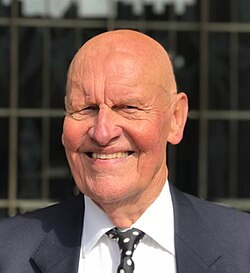
In this episode, Becky is joined by James Reed, Chairman and CEO of Reed, one of the UK’s most recognisable and successful family-owned businesses. James is also the author of Karma Capitalism, a bold…
James ReedGuestBecky WillanHostNow, I think you've been quite critical of ESG, and we'll come back to that in a minute.
But one of the most important concepts in sustainability is materiality, which is really about how you identify and prioritize the issues that matter most to that organization, both in terms of company value, but also sustainability.
And I guess the, you know, the idea is that if you focus on what really matters, then you're able to have a positive impact on both performance and on society.
I think one of the challenges that people might raise around Philcos is that you can be an organisation that has a charitable foundation that gives, you know, quite significant amounts of money to that charity, perhaps even has some shares owned by that organization, but still conducts itself really irresponsibly.
I'm thinking about the fact that most of the big tobacco companies in the world also have wealthy charitable foundations.
So how do you address that within the Philco model? How do you make sure that this isn't a sort of smoke screen for really irresponsible corporate behavior?

Well, I think to become a Philco, someone or some people have to be supremely generous by giving shares to a foundation or charity.

All of these companies that are described in the book that are classified as Philcos, at some point this happened.

So I can't think of any example of a Philco company that meets our definition of at least 10% of the shares being held by a charity that's sort of gone rogue, as you might describe.

Yeah, I mean, a CEO could go rogue, I suppose, and sort of start pursuing some ruthless agenda.

It's sort of possible, but I don't know of any examples where that has happened.

So I think these companies that have the Philco DNA are genuinely, because of their makeup, much more likely to do good things.

there's one, there's an example, I think, in the book, Philip Morris gave 75 million to a charitable cause and then spent 100 million telling everyone about it.

And, you know, that fits into the sort of greenwashing, whitewashing, bluewashing problem that... is widespread, I agree.

But I think this model, in a sense, prevents that because it's much more serious.

Now, I think you've been quite critical of ESG, and we'll come back to that in a minute.
But one of the most important concepts in sustainability is materiality, which is really about how you identify and prioritize the issues that matter most to that organization, both in terms of company value, but also sustainability.
And I guess the, you know, the idea is that if you focus on what really matters, then you're able to have a positive impact on both performance and on society.
I think one of the challenges that people might raise around Philcos is that you can be an organisation that has a charitable foundation that gives, you know, quite significant amounts of money to that charity, perhaps even has some shares owned by that organization, but still conducts itself really irresponsibly.
I'm thinking about the fact that most of the big tobacco companies in the world also have wealthy charitable foundations.
So how do you address that within the Philco model? How do you make sure that this isn't a sort of smoke screen for really irresponsible corporate behavior?

Well, I think to become a Philco, someone or some people have to be supremely generous by giving shares to a foundation or charity.

All of these companies that are described in the book that are classified as Philcos, at some point this happened.

So I can't think of any example of a Philco company that meets our definition of at least 10% of the shares being held by a charity that's sort of gone rogue, as you might describe.

Yeah, I mean, a CEO could go rogue, I suppose, and sort of start pursuing some ruthless agenda.

It's sort of possible, but I don't know of any examples where that has happened.

So I think these companies that have the Philco DNA are genuinely, because of their makeup, much more likely to do good things.

there's one, there's an example, I think, in the book, Philip Morris gave 75 million to a charitable cause and then spent 100 million telling everyone about it.

And, you know, that fits into the sort of greenwashing, whitewashing, bluewashing problem that... is widespread, I agree.

But I think this model, in a sense, prevents that because it's much more serious.

The rest of this transcript — segmented and speaker-labeled, so you land on the exact moment something was said
Search every transcript — by keyword, by phrase, or by meaning, across every show Radar indexes
Trends — what is surging across podcasts, measured against its own baseline
Alerts — when a name you follow appears in a newly indexed episode
No account is needed to search Radar.